

"To me, rock music was never meant to be safe. I think there needs to be an element of intrigue, mystery, subversiveness. Your parents should hate it."
Trent Reznor
From its roots in blues, country and gospel, rock has never stood still. The best rock albums of all time have continually expanded its boundaries, giving rise to countless subgenres shaped by changing cultures, local scenes and new ways of making music. Reinvention has always been central to rock's identity.
Perhaps that's because being rock and roll has always been more a spirit than a sound. It's an instinct to challenge convention, borrow freely and push music somewhere unexpected. That restless energy continues to define modern alternative rock, where genre lines blur and innovation often happens far from the mainstream.
Across London's influential Windmill scene, a new generation of bands is reshaping the possibilities of guitar music, drawing equally from post-punk, jazz and art rock. Elsewhere, artists such as Fontaines D.C., The Murder Capital, SPRINTS and Just Mustard are helping place Irish guitar music firmly back in the global conversation, while Australia's thriving punk underground, led by bands including Amyl and the Sniffers, The Chats and CIVIC, continues to produce some of the most exhilarating rock records of recent years. At the heavier end of the spectrum, the renewed popularity of hardcore has introduced bands like Turnstile, Speed and Basement to audiences well beyond the genre's traditional boundaries.
The exchange now runs both ways. Contemporary pop artists increasingly draw from alternative rock's rich history, with Olivia Rodrigo taking inspiration from 90s favourites such as No Doubt and The Smashing Pumpkins, while You Seem Pretty Sad For A Girl So In Love also nods towards the angular New Wave of New Order, Devo and The B-52s.
Following the close of her Brat chapter, Charli xcx perhaps summed up rock's latest evolution best: "I think the dancefloor is dead, so now we're making rock music." While Music, Fashion, Film isn't a rock album in any traditional sense, its gritty, guitar-led lead single reflects rock's enduring influence on contemporary music. That same influence runs through the album's visual identity too, with Charli's long-standing admiration for The Velvet Underground informing its artwork and John Cale himself appearing on the cover.
Maybe that's where rock finds itself today. Less concerned with preserving a particular sound than carrying forward a way of thinking. Its future may not always arrive wearing a leather jacket or carrying a battered guitar, but its spirit remains unmistakable.
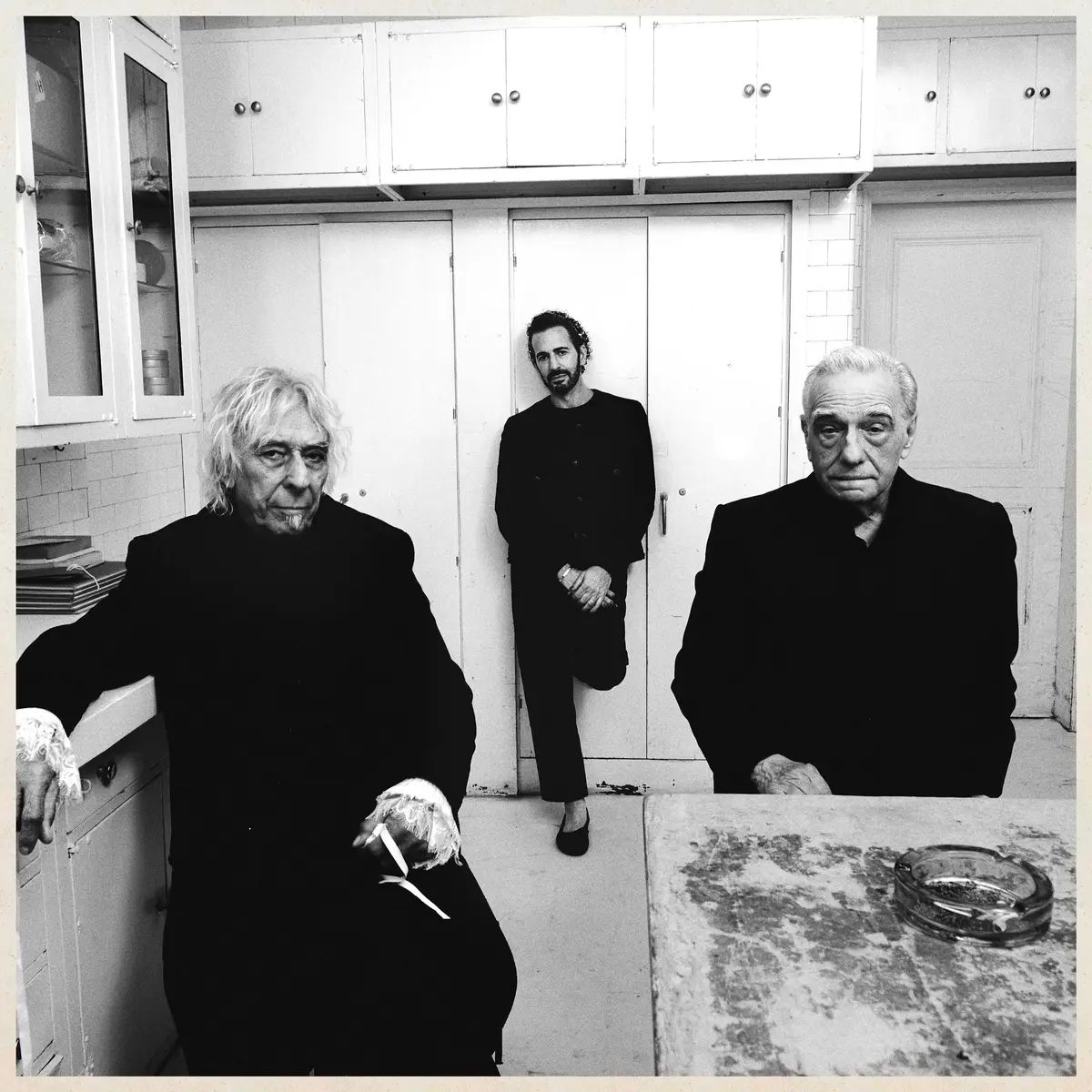
An endless journey of innovation. We take a deep but by no means exhaustive dive into the vast umbrella of 'rock' and its most essential albums.
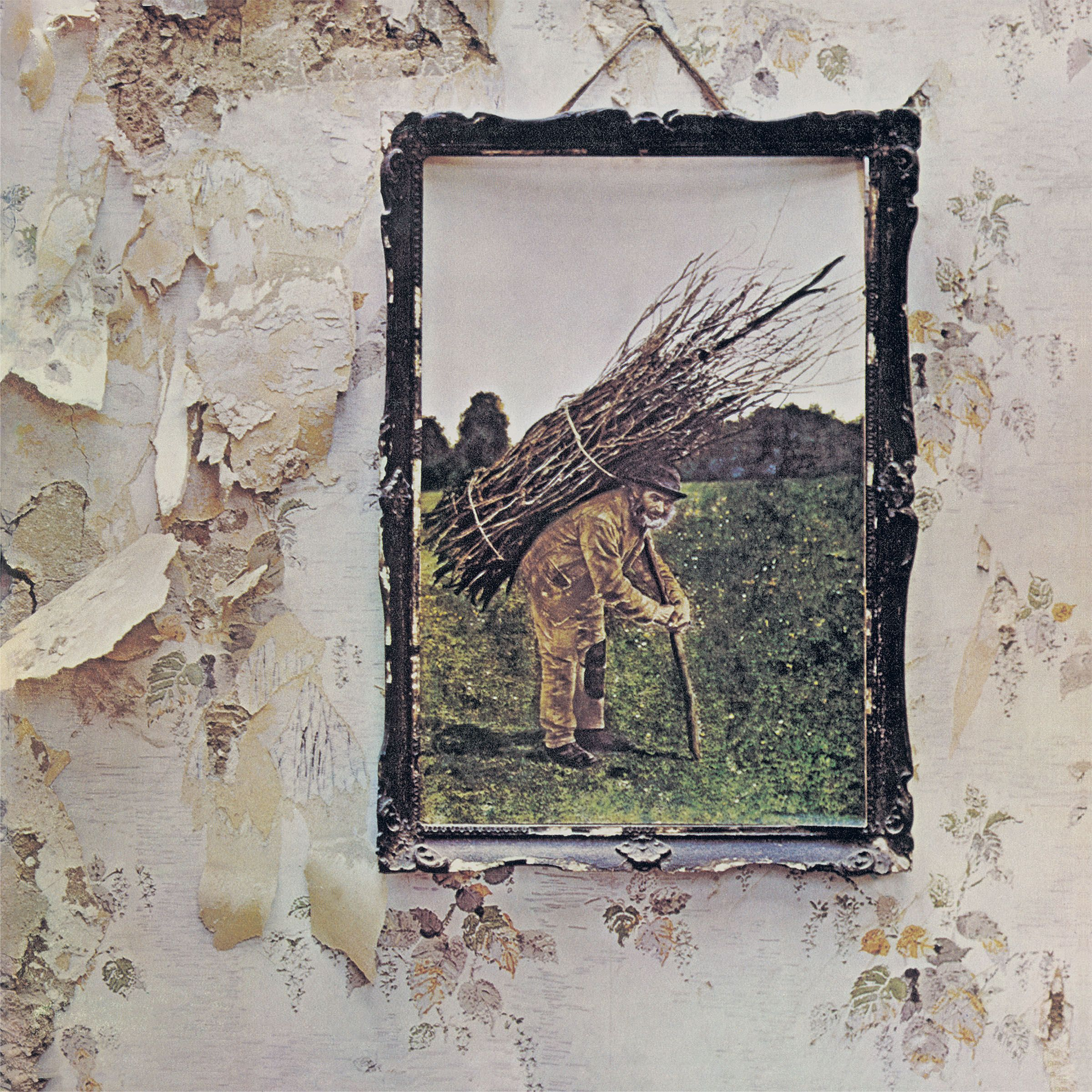
Led Zeppelin - IV (1971)
Led Zeppelin IV expanded hard rock beyond straightforward riffing and provided a blueprint for heavy metal and arena rock. Contrasting their heavy electric side, the band drew heavily on traditional folk music a, successful marriage of the hard rock from their second album with the folkier meanderings of their third. The bedrock of Led Zeppelin's sound was also American blues with guitarist Jimmy Page and the rest of the band heavily inspired by both the Mississippi Delta and the Chicago blues scene.
Stairway To Heaven remains one of rock's most celebrated anthems, the song's structure transitioning from a quiet acoustic folk ballad to a roaring electric hard rock crescendo, a definitive template for classic rock and progressive music.
File under 'hard rock' alongside AC/DC, Aerosmith and Guns N Roses.
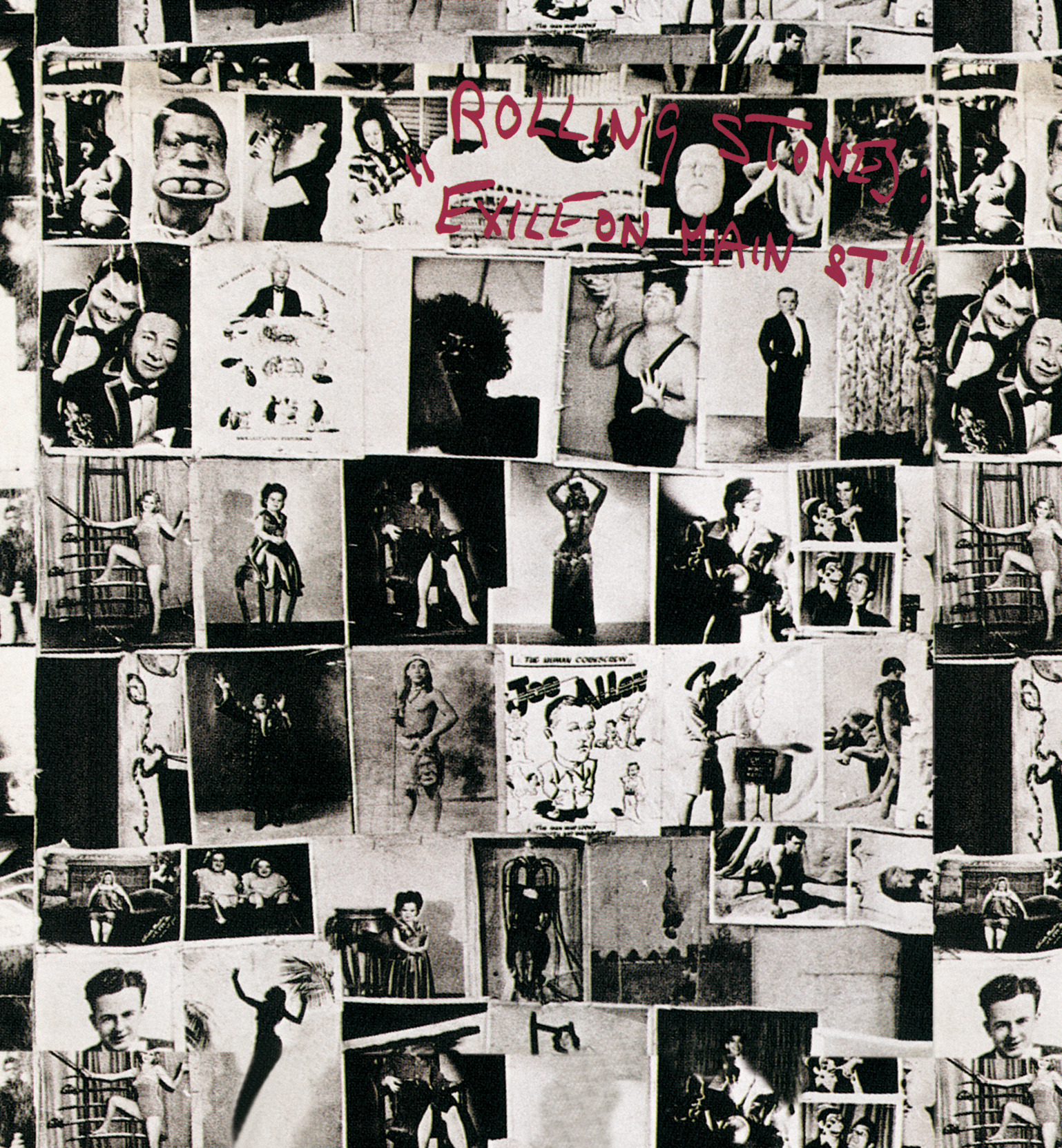
The Rolling Stones - Exile on Main St. (1972)
Exile on Main St. represents the apotheosis of blues-rock and roots rock. Recorded in fragmented sessions in France, its loose, murky atmosphere fused blues, gospel, country and rhythm-and-blues into a sprawling statement that rejected polished studio perfection. Songs such as Tumbling Dice and Rocks Off demonstrated that rock music could embrace American traditions without losing its rebellious spirit. Its influence stretches from alternative country to indie rock.
The Stones have influenced virtually every branch of classic rock, from Bruce Springsteen incorporating their blend of rock and soul into the E Street Band sound, The Verve drawing inspiration from their incorporation of blues and psychedelia or The White Stripes reviving their devotion to blues traditions.
File under classic rock, alongside The Beatles, The Who, Bruce Springsteen, Big Star and Jethro Tull.
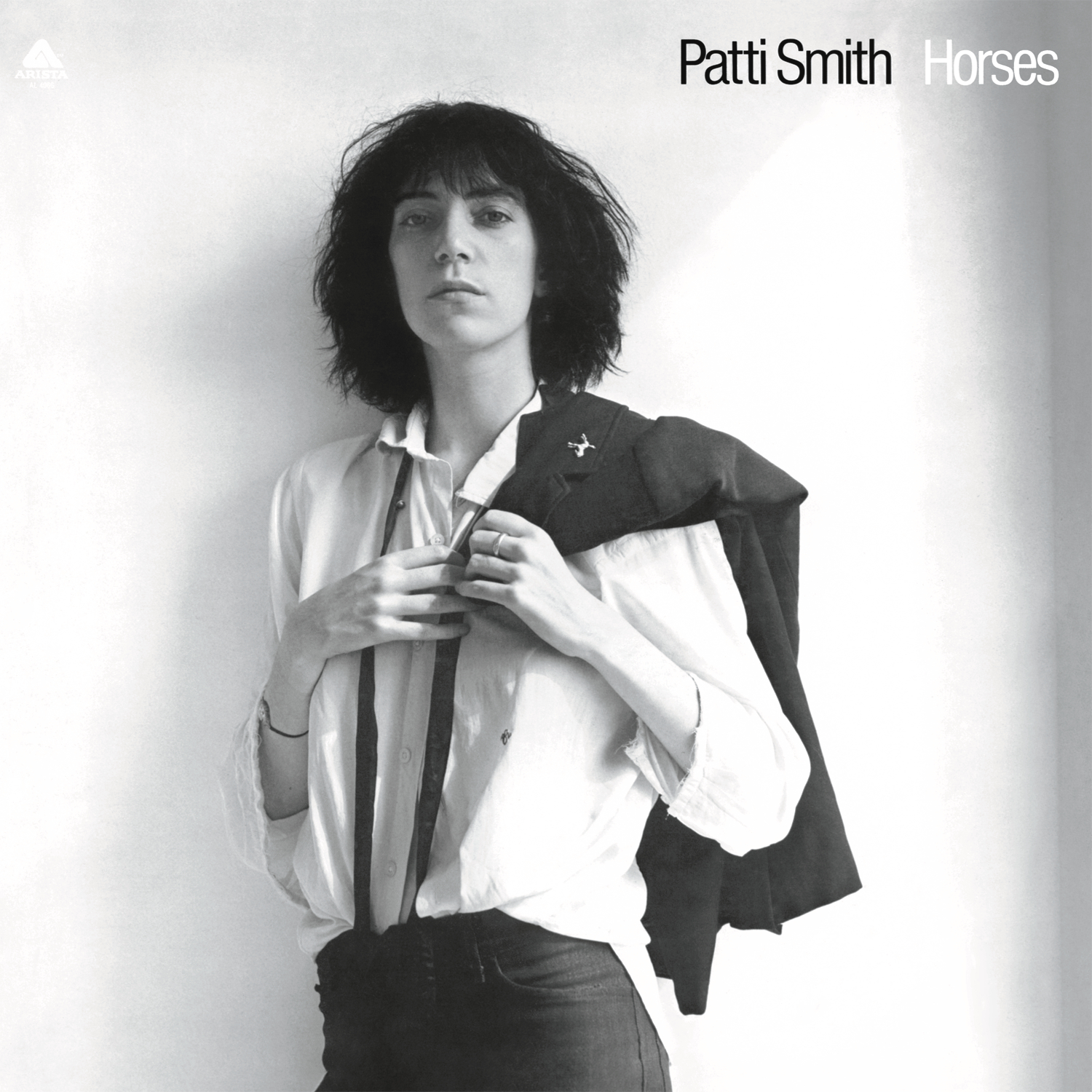
Patti Smith - Horses (1975)
Horses bridged poetry and rock, laying crucial foundations for punk. Patti Smith’s free-form vocals and literary references challenged conventional ideas about femininity and performance. Producer John Cale respected Smith's primitivism in a way that later producers did not, and the loose, improvisatory song structures worked with her free verse to create something like spoken word.
Patti's influence can be heard across post-punk, alternative rock and indie music, it is no overstatement to say she is one of music's most important punk rock progenitors.
File under early punk rock alongside Television, part of the same 1970s CBGB scene as the Patti Smith Group, Lou Reed and The Velvet Underground, a primary influence on Patti Smith helping pioneer New York's gritty, avant-garde rock sound, the atmospheric, poetic songwriting of Siouxsie and the Banshees or the literary sensibilities of Nick Cave & The Bad Seeds.
READ: Rough Trade Essential Post-Punk
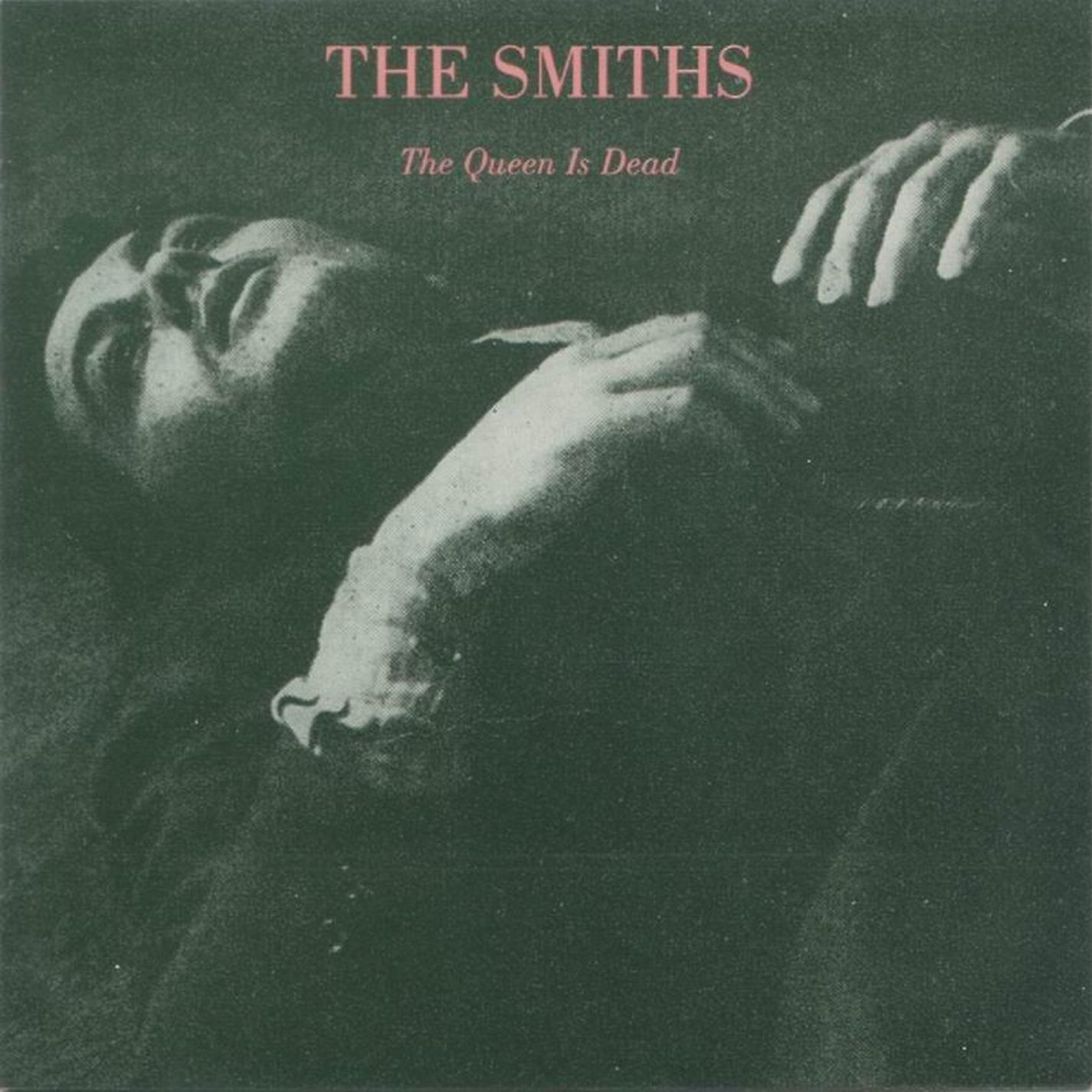
The Smiths - The Queen Is Dead (1986)
Widely regarded as the pinnacle of British indie rock, The Queen Is Dead evolved jangly guitar music into something which could simultaneously incorporating post-punk sensibilities.
Morrissey's melancholic lyrics could be described as some of the most literate songwriting of its time, a balance of beauty, irony, vulnerability, social observation and wit which has ensured its lasting significance. The Smiths will always be remembered for making 'outsider anthems', with songs like There Is a Light That Never Goes Out and Cemetary Gates riding on hopeless romanticism, lyrics which resonated deeply with dreamers and misfits alike. The influence of the now estranged band continues to be felt; the song Knives Out from Radiohead's Amnesiac is said to be a tribute to Marr’s guitar style, and in recent years Brigitte Call Me Baby frontman Wes Leavins’ swooning, theatrical vocal style has drawn heavy comparisons to The Smiths.
File under 80's indie rock and angsty punk rock, alongside Echo and the Bunnymen, R.E.M, The Wedding Present and The Go-Betweens.
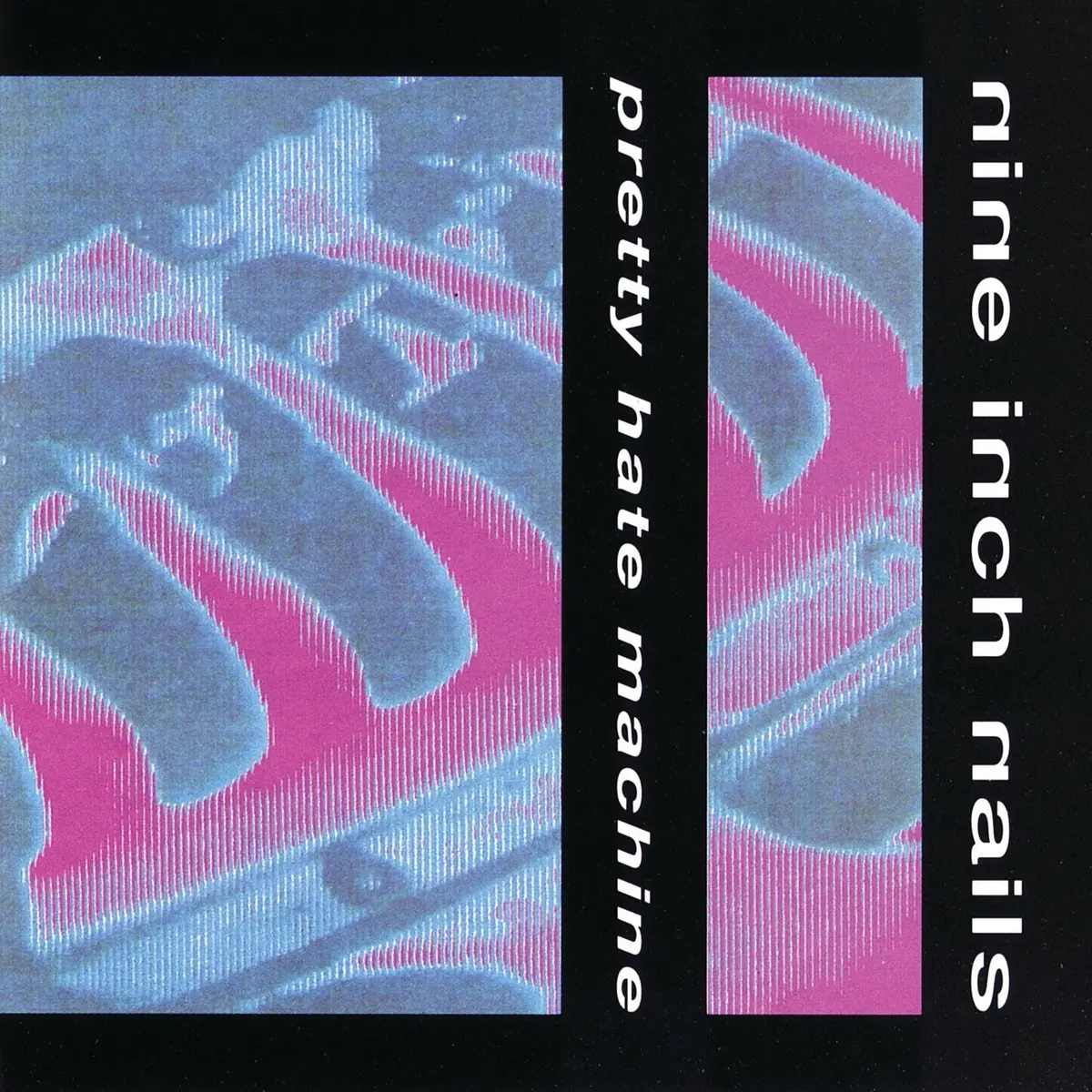
Nine Inch Nails - Pretty Hate Machine (1989)
Nine Inch Nails straddle a wide range of rock styles but also electronic, a melding of industrial elements with pop sensibilities, often drastic changes in sound from album to album.
Although genre purists and Trent Reznor have refused to identify NIN as an industrial band, Pretty Hate Machine can only be described as both 1980s synth-pop and abrasive industrial music. The album became a landmark record for its aggressive sound design, taking inspiration from the likes of Throbbing Gristle, Cabaret Voltaire and Skinny Puppy to make dark, underground industrial rock accessible to mainstream audiences.
File under industrial metal, ambient rock and synth-pop alongside Killing Joke, Bowie's Low, Model Actriz or Depeche Mode.
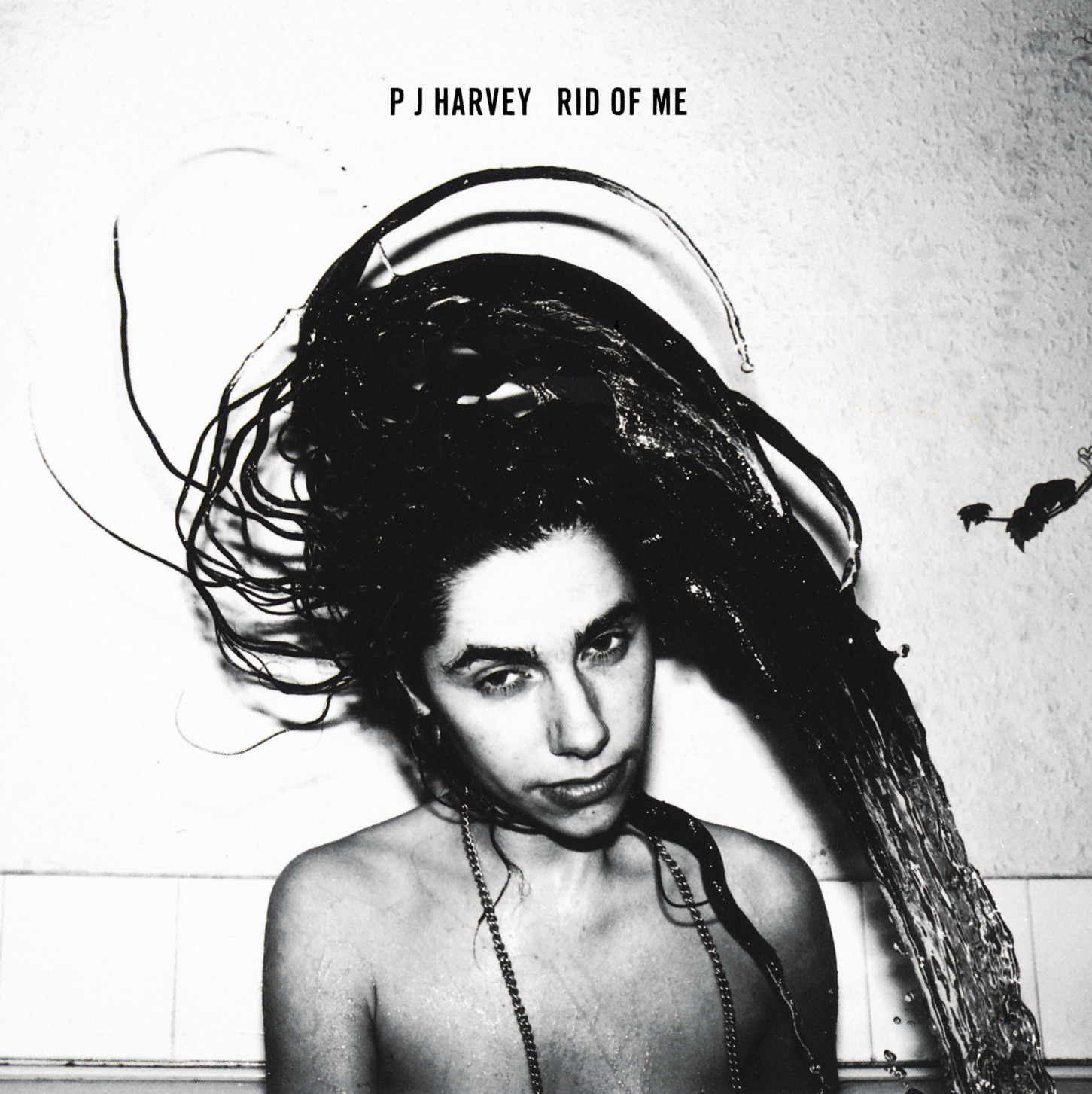
PJ Harvey - Rid of Me (1993)
Rid of Me pushed alternative rock toward extremes of emotional intensity. Polly Jean Harvey’s visceral songwriting is psychologically complex, undressing themes of obsession, sexuality and power with unsettling honesty, challenging expectations placed upon women in rock music.
Harvey's music spans a whole range of rock subgenres: blues, noise rock, post-punk and garage. The dramatic contrast between quiet passages and explosive outbursts has since influenced later artists across indie rock and grunge to adopt a similar emotional directness or play around with dynamics, with the likes of Sharon Van Etten, Phoebe Bridgers or Blondshell all citing PJ Harvey amongst their inspirations.
File under alternative rock with other boundary-pushing experimentalists who don't fit neatly into one rock subgenre: Radiohead, The Breeders, Pixies or Smashing Pumpkins.
READ: PJ Harvey's Greatest Albums
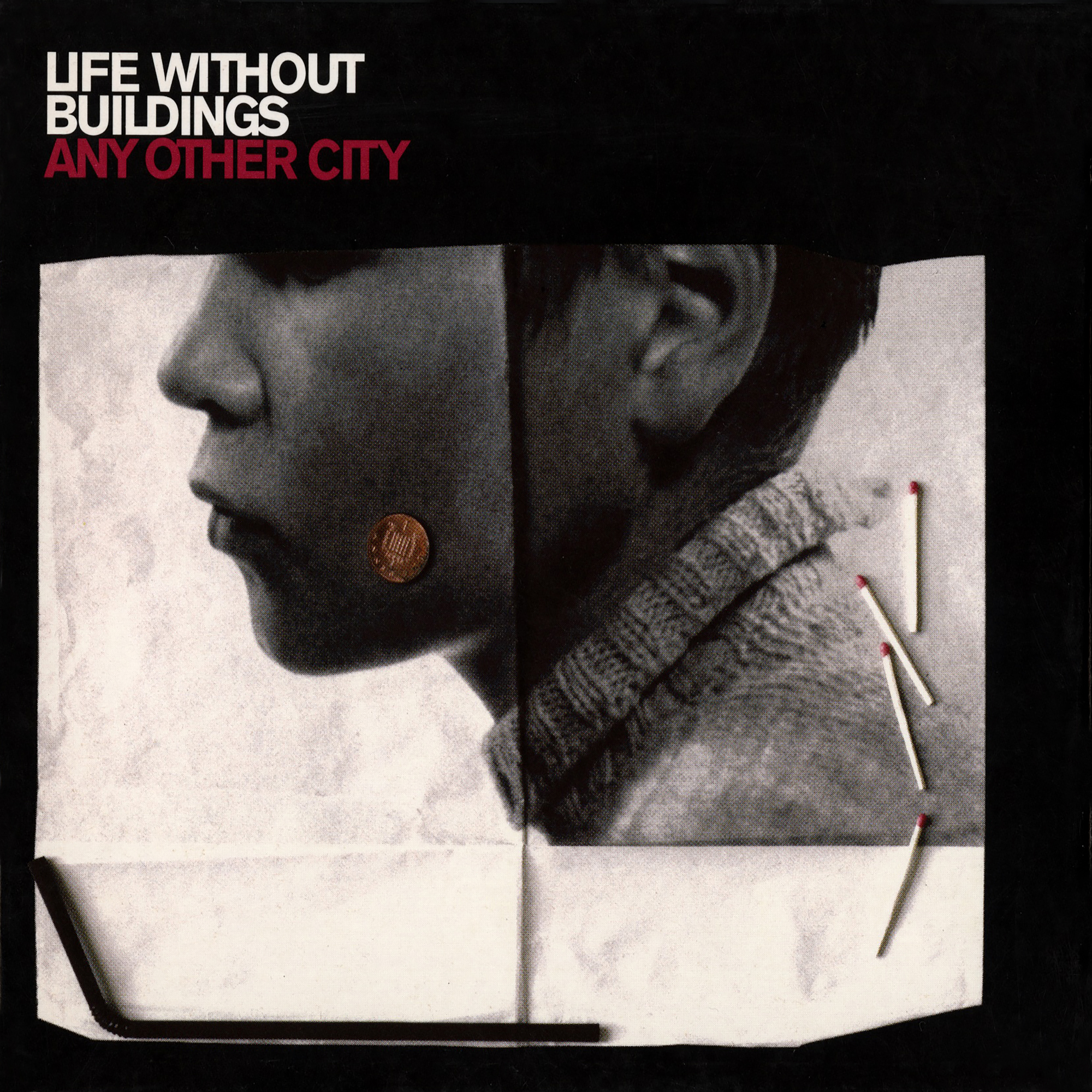
Life Without Buildings - Any Other City (2001)
Any Other City and its iconic track The Leanover is one of post-punk revival’s defining moments. Sue Tompkins’ distinctive vocal style transformed everyday phrases into rhythmic expression, while the band’s wiry guitars and restless grooves recalled the experimentation of late-1970s post-punk. This unconventional structure paved the way for later art-rock and indie bands favouring repetition and spontaneity. Despite the group’s short existence, the song achieved cult status and remains a testament to post-punk’s capacity for innovation and individuality.
No one sounded quite like Life Without Buildings in the 2000s, but their spoken-word delivery and blend of art-rock and post-punk have since echoed through bands such as Dry Cleaning, Yard Act and Black Country, New Road, as well as the wider Windmill scene – the acclaimed wave of experimental rock, post-punk and indie artists who cut their teeth at South London's legendary grassroots venue, The Windmill, Brixton.
File under 'art rock' or 'post-punk ', with bands enlisting the 'Sprechgesang' technique of speak-sung deliveries over angular guitars and rhythmic basslines, echoing 1980s pioneers like The Fall and Joy Division.
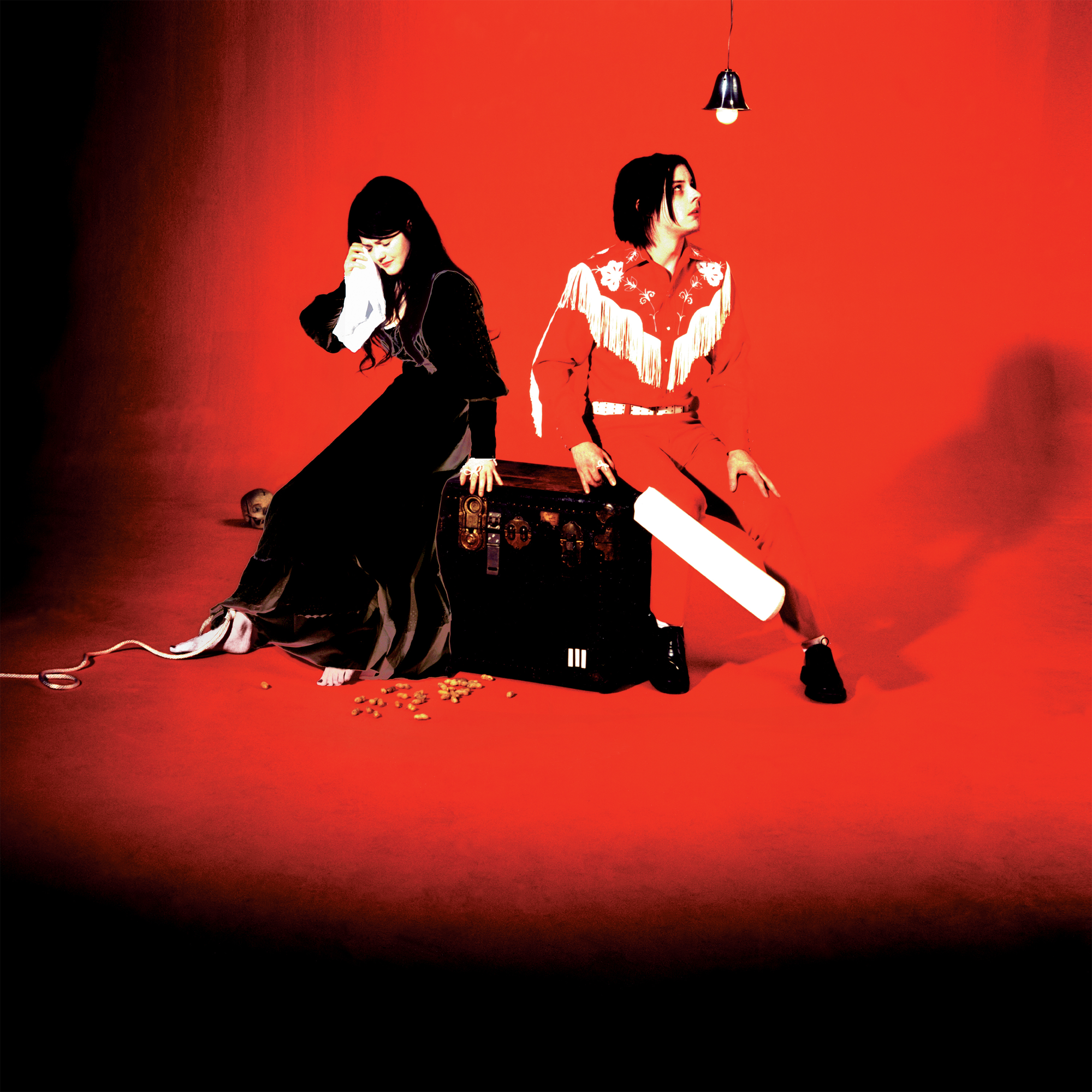
The White Stripes - Elephant (2003)
Elephant revitalised garage rock at a time when rock music seemed increasingly overproduced. Jack and Meg White embraced simplicity, recording largely with analogue equipment and relying on primal riffs.
Seven Nation Army remains one of the century’s most recognisable rock songs, a co-opted football anthem signalling that garage rock could export to stadium-scale rock aesthetics whilst still being unmistakably rooted in blues. This album reconnected modern audiences with blues, punk and classic rock traditions while helping to spearhead the garage rock revival alongside bands like The Strokes. It doesn't get more rock 'n' roll than this.
File under 'garage rock', alongside MC5, The Stooges, The Black Keys and The Sonics.
READ: The White Stripes' Greatest Hits
Arctic Monkeys - AM (2013)
AM reinvented indie rock for the streaming era, distinguishing it from earlier British indie traditions with hip-hop and R&B influences. Arctic Monkeys have always maintained that sharp lyricism and memorable guitar lines, but AM was slower and more sensual than the indie riffs which preceded them.
On the whole, AM is an album which broadened indie rock’s appeal globally, whilst indebted to blues rock and more classic hallmarks. The album still leans into that raging, more garage-like, higher-tempo which many indie bands
File under 2000's indie rock alongside The Klaxons, The Kooks, Two Door Cinema Club, Franz Ferdinand and The Vaccines.
READ NOW: Arctic Monkeys' Greatest Albums
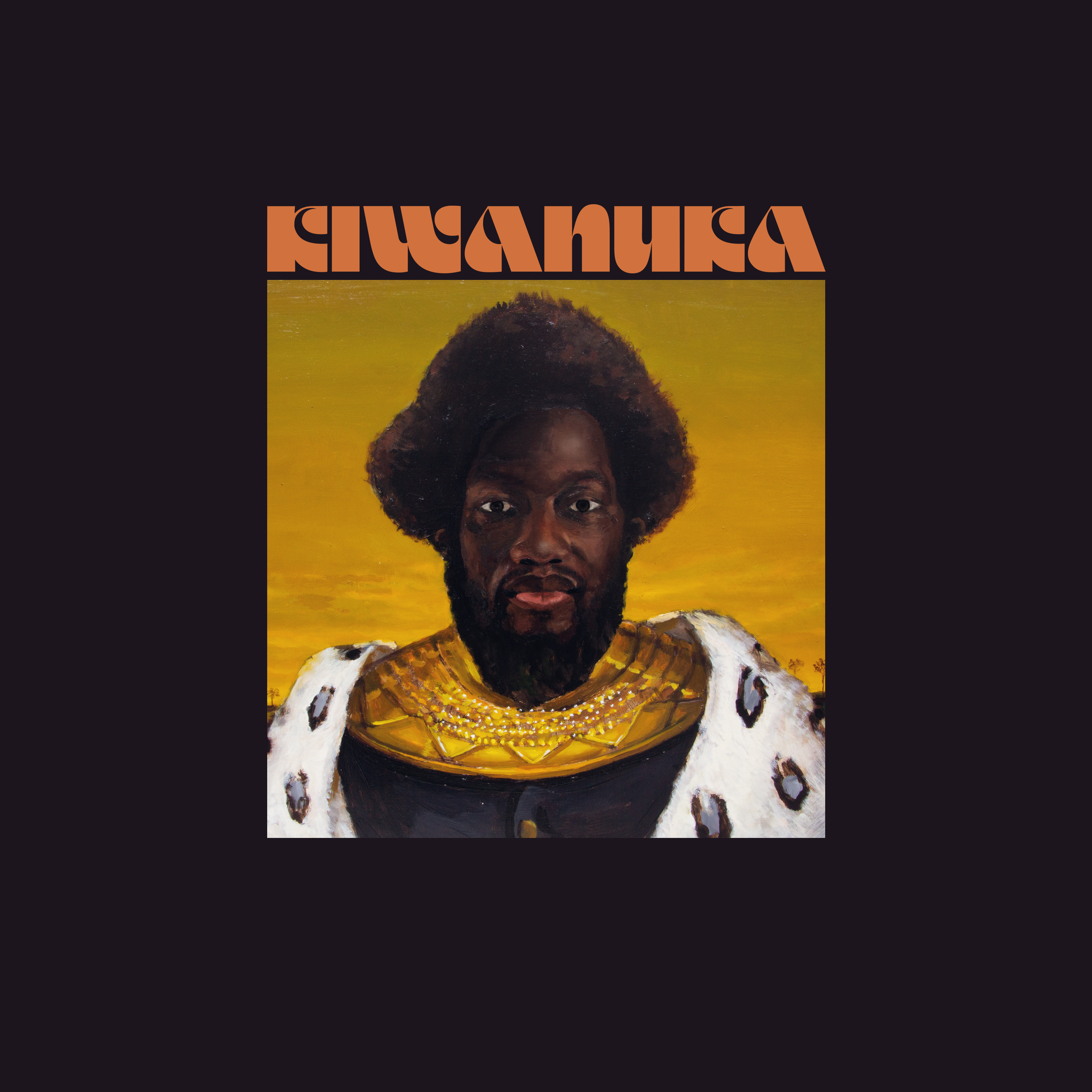
Michael Kiwanuka - Kiwanuka (2019)
“I’m not going to have an alter ego, or becomes Sasha Fierce or Ziggy Stardust... I can just be Michael Kiwanuka.”
Kiwanuka for The Independent, 2019
A defiant third album, Michael Kiwanuka returned to the studio with Danger Mouse and Inflo, the same production team as his acclaimed debut Love and Hate. An album which feels undeniably soulful whilst not defined by the 'soul' genre, Kiwanuka pivots from acoustic to electric arrangements, building from folky acoustic roots and stringing guitar work into rich psych-soul orchestration. The record's 13 tracks are layered with fuzzy guitar lines lending its political themes weight and atmosphere; its cinematic production recalling the 1970s prog-rock and neo-soul blend that Pink Floyd fans love.
Michael took home the 2020 Mercury Prize for Kiwanuka, later nominated for the Best Rock Album at the Grammys 2021, losing out to The Strokes' The New Abnormal. Although Kiwanuka may not be the first great album that comes to mind when reviewing contemporary rock, critics nominated the record due to its heavy psychedelic-rock influence and preference for cinematic transitions rather than traditional pop or R&B song structures.
File under psychedelic rock, alongside Jimi Hendrix (acknowledged by Kiwunaka as a major influence), Pink Floyd, Funkadelic's Maggot Brain or the atmospheric Spirit of Eden by Talk Talk.
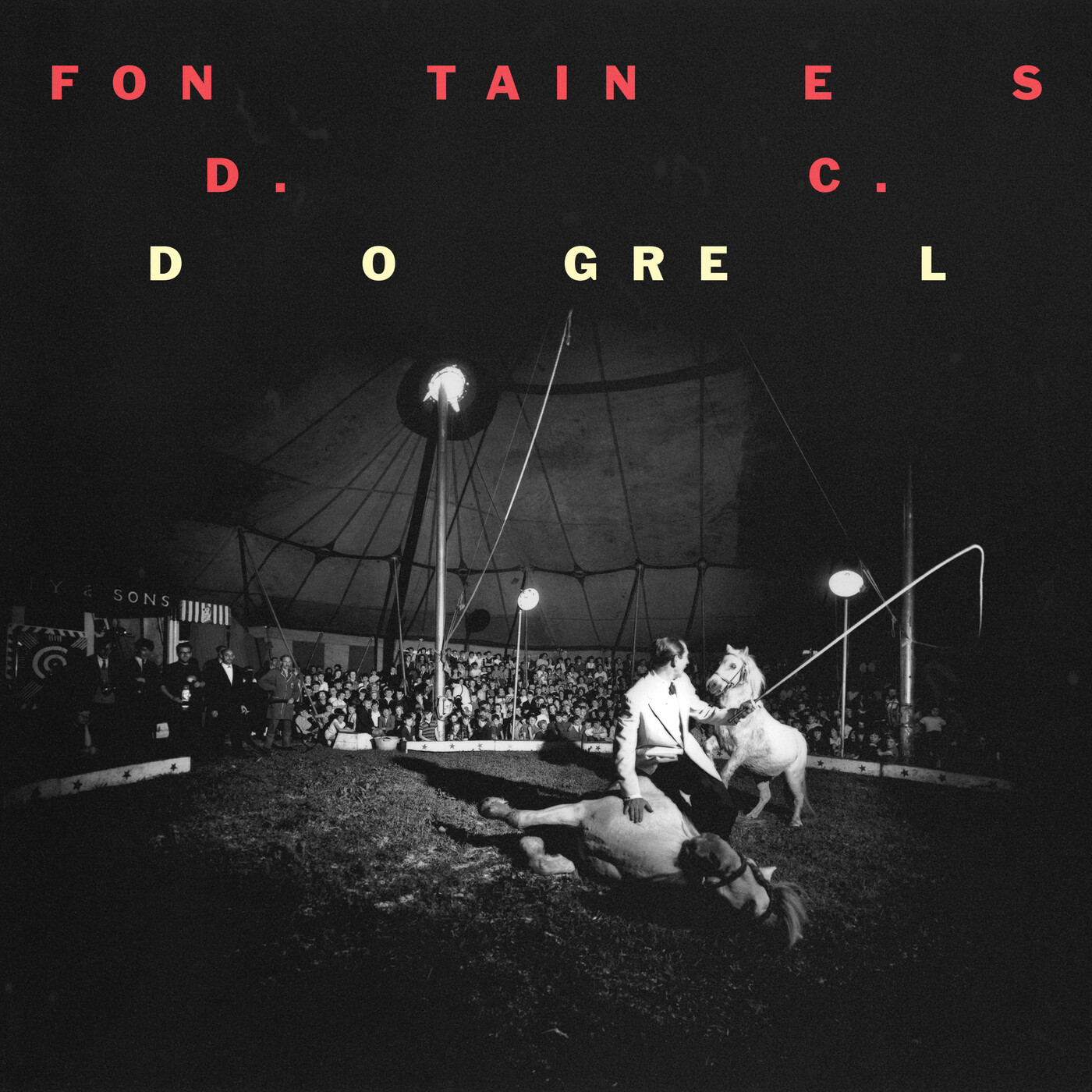
Fontaines D.C. - Dogrel (2019)
Fiercely poetic right out of the gate, Dogrel introduced a band undeniably rooted in post-punk, the literate traditions of bands like Joy Division and The Fall. Reflecting on Dublin (the city of their formation) and enamoured by the more traditional Irish lyrical culture, Fontaines D.C. brought a renewed energy to Dublin's band scene, inspiring and uniting a new breed of Irish musicians which embraced a boldness and loudness. The band's Irish roots are loud and clear, with deep lyrical and musical nods to folk-punk legends The Pogues, William Butler Yeats and James Joyce or taking inspiration from uninhibited noise rockers Gilla Band.
Fast forward seven years and two albums later and Fontaines have cemented their global popularity, expanding the boundaries of alt-rock with their latest album Romance, blending shoegaze, trip hop, grunge, goth rock, nu-metal and literary ambition to reflect everyday realities, evolving rock for modern listeners.
File under alt-rock risers alongside Blondshell, Geese, Wunderhorse, The Murder Capital.
READ: Fontaines D.C.'s Greatest Albums Ranked
Further Listening...
Ready to expand your record collection? Here are a few more of rock's stylistic subgenres you shouldn't sleep on.
New Wave
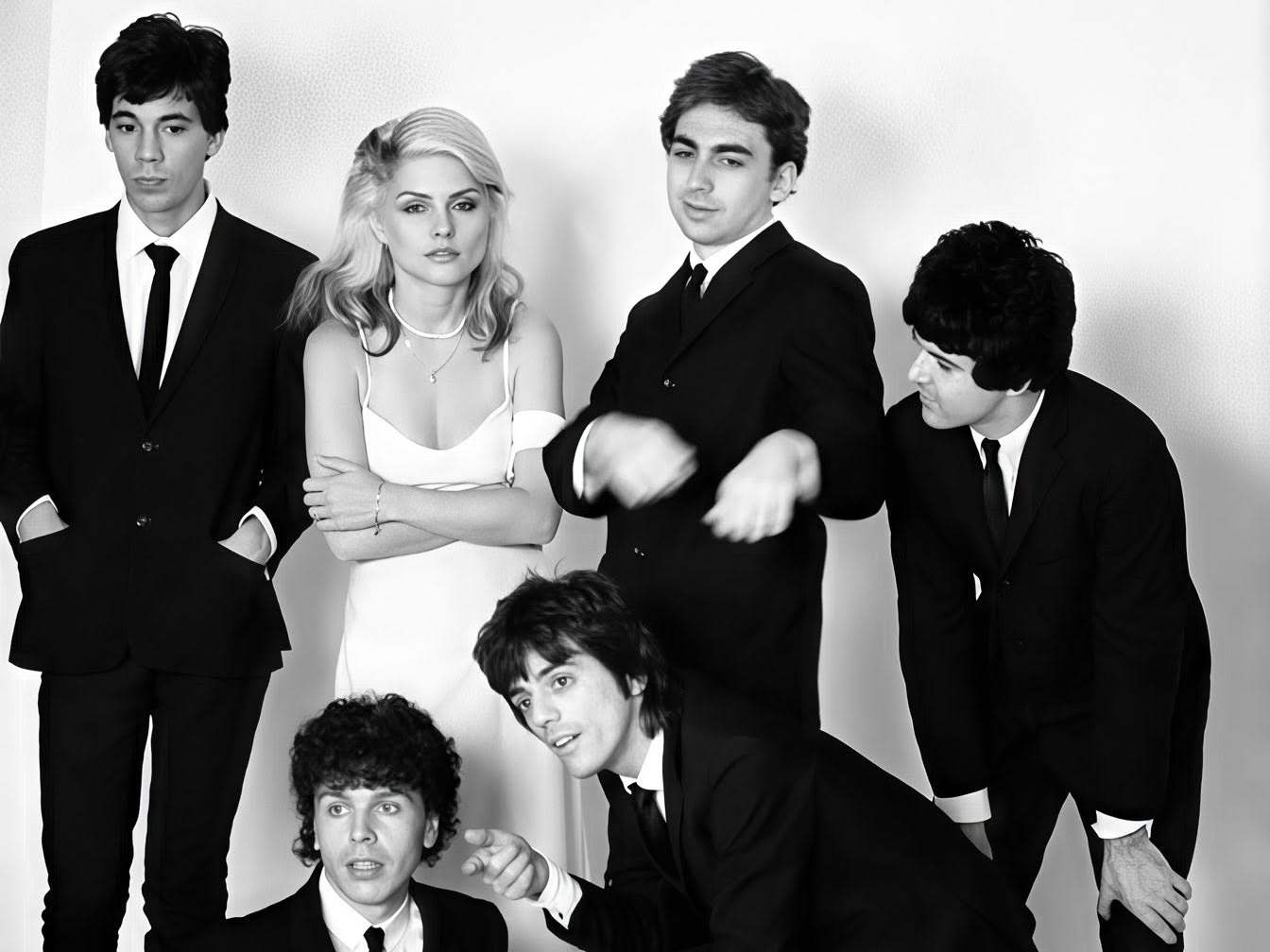
A renaissance for pop, rock and punk, 'new wave ' is a genre charecterised by its attitude - bold, progressive and unconventional. It is easier to define it as a 'style' rather than as one signature sound - often dark and melody-driven (Depeche Mode, New Order or Psychedelic Furs), sometimes spirited and synth-inflected, with a pop-leaning understructure (Blondie, The Human League or Tears for Fears).
READ: Rough Trade Essential New Wave
Slacker Rock
A genre which is very much still thriving since its emergence in the early '90s, the laid-back, lo-fi slacker rock sound is a raw, guitar-driven strain of alt-rock spearheaded by the likes of Courtney Barnett, Pavement, Mac Demarco, and the Lemonheads.
READ: A Rough Guide To: Slacker Rock
Britpop
Regional accents, a new upbeat form of rock, records which sold in their millions. The cultural movement of Britpop is not to be understated within the history of rock, guitar-driven music with catchy pop hooks defined by Oasis, Blur, Lush, Suede and more.
READ: Rough Trade Essential Britpop
Grunge
Alt-rock's grittiest sub-genre, the term 'grunge' has long been ascribed to a musical movement born in 90's Seattle, a sonic turn which evolved punk's anti-establishment energy into something darker and more visceral, introducing the likes of Pearl Jam, Soundgarden, Nirvana and Hole.
READ: A Rough Guide To: Grunge
Shoegaze
One of indie-rock's finest subgenres. With warm waves of distortion, limitless guitar texture and the most ethereal vocals - shoegaze is music for dreamers.
READ: Rough Trade Essential Shoegaze
Hardcore
Often described as a more aggressive, faster, more intense subculture of punk, the 'hardcore' genre first emerged across the United States in the early 1980s