
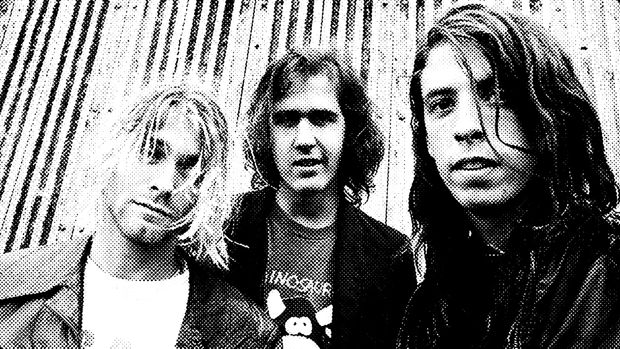
Despite the darker stories and numerous lost icons, grunge has continued to resonate with generations of young people; its core sentiments are rooted in a countercultural stance yearned for by our nostalgia-driven modern internet culture.
Alt-rock's grittiest subgenre, the term “grunge” has long been ascribed to a musical movement born in ’90s Seattle, a sonic turn which evolved punk's anti-establishment energy into something darker and more visceral.
The genre's formation pulled from the punk rock and alternative music scenes of the 1980s, from hardcore punk bands like Black Flag, the loud-quiet dynamics of bands like the Pixies, and the sludgy doom-laden sound of early metal pioneers Black Sabbath. The grunge sound's most distinctive elements were its sludgy riffs and distortion, its intense lyrical topics and growling vocal delivery. Upon closer examination, it’s apparent that the overall sound manifested itself in many shades: punky grunge (early Mudhoney), metal grunge (Alice in Chains), alternative or grunge-adjacent bands (Smashing Pumpkins) and latterly, 'grungegaze' (Narrowhead), blending the heavy, distorted guitar pedal sounds with shoegaze's ethereal tones.
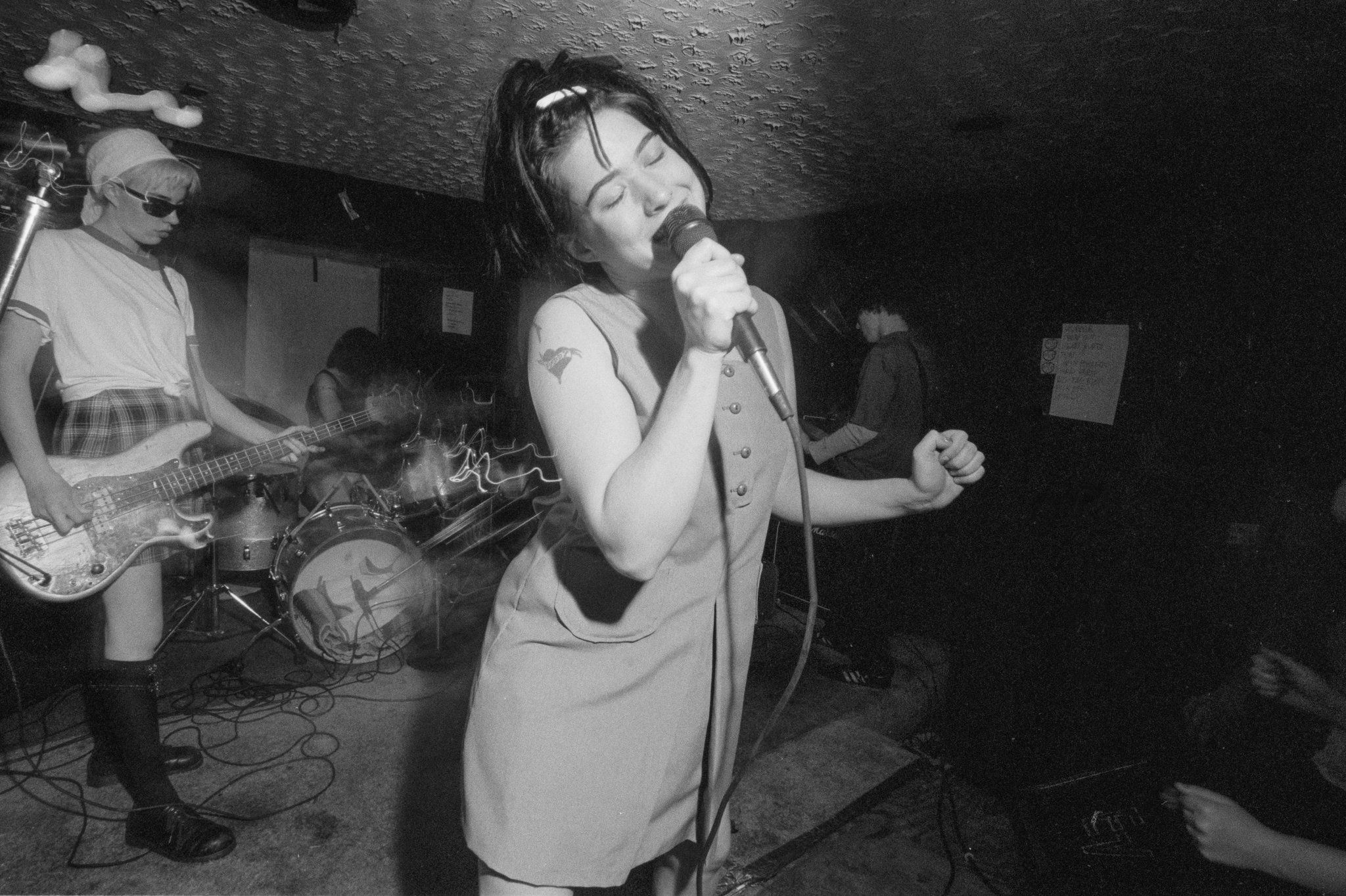
Grunge music influenced culture in ways that extended beyond music, infiltrating fashion, graphic design (iconic Seattle gig posters), politics, independent music and lifestyle. The rough-around-the-edges sound translated into an aesthetic: thrifted, scruffy flannel shirts and ripped jeans, aligned with the "blue-collar" lifestyle of its performers and fans, living through a recessionary era. The lyrics spoke to the rejection of commercialisation, capitalism and materialism, advocating that people speak out against inequality. Grunge is also commonly attributed with fostering a progressive and feminist subculture known as "riot grrrl", led by bands like Bikini Kill and Sleater-Kinney. Sadly, this political anguish also tied into the community's more complex relationship with drugs and addiction, with so many of the scene's most notable players falling victim to substance abuse and dying before they could see the full extent of their influence.
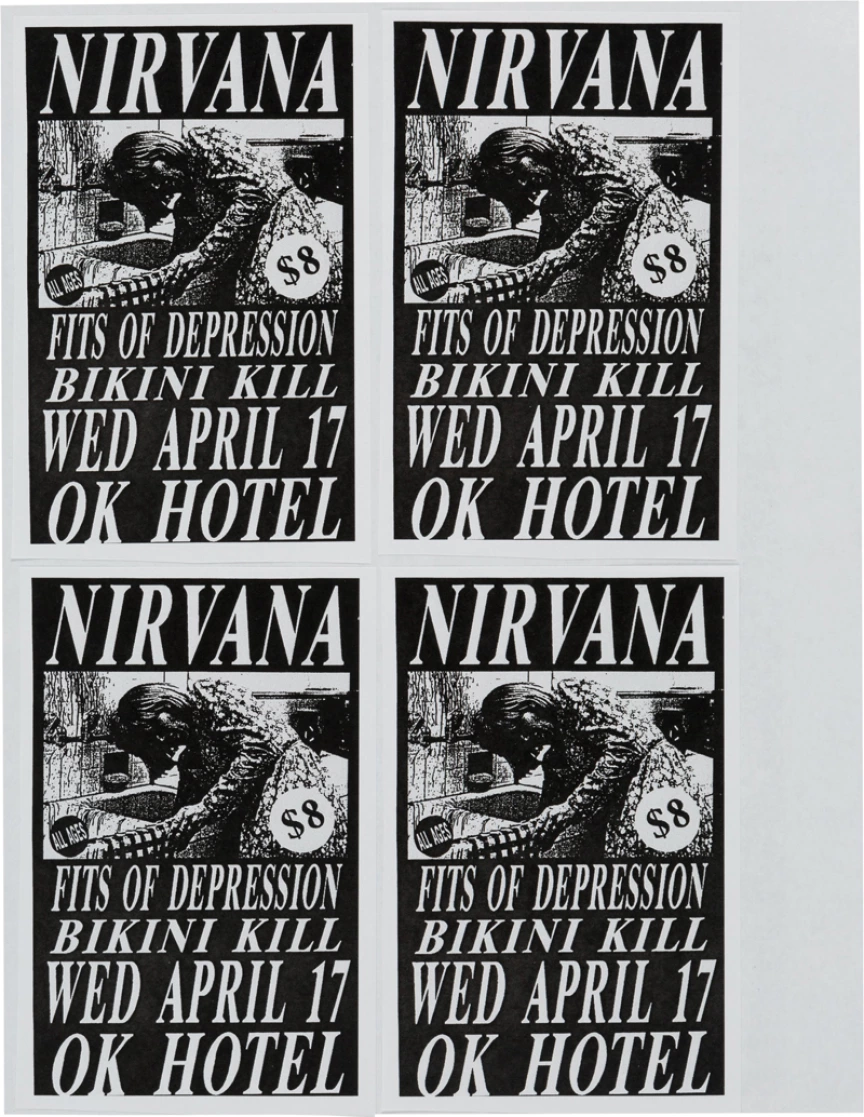
There is, of course, no telling the story of grunge without detailing the history and involvement of one of our favourite labels, Sub Pop Records. The independent label helped pioneer the movement, releasing limited 7-inch singles alongside regional club nights, generating a huge buzz around the artists when they were at their most unfiltered.
Despite the darker stories and numerous lost icons, grunge has continued to resonate with generations of young people; its core sentiments are rooted in a countercultural stance yearned for by our nostalgia-driven modern internet culture. Undeniably captivating, whatever way you look at it.
Record labels, supergroups, emotional angst, politics and personalities. We reflect on the countercultural impact of grunge, from its underground origins to its global explosion.

Bam Bam - Free Fall From Space (1984)
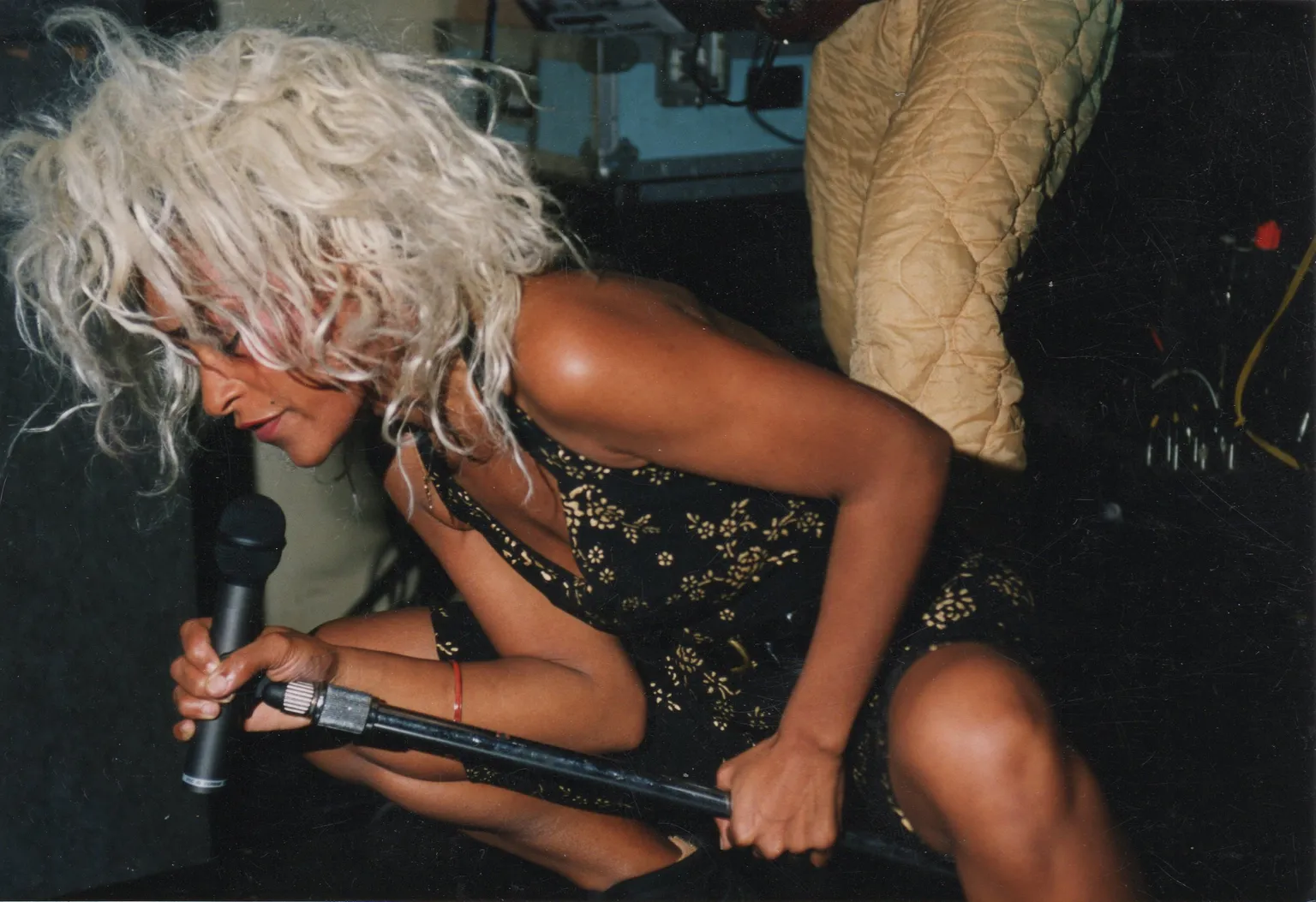
Often referred to as "lost grunge progenitors", Bam Bam's Free Fall From Space stands as a proto-grunge cornerstone, capturing the raw fusion of punk aggression and heavy, sludgy riffs that would later define Seattle’s sound. Fronted by Tina Bell alongside her then-husband, guitarist Tommy Martin, Bam Bam challenged norms as a Black woman-fronted band in a punk scene that was already overwhelmingly white. The album’s abrasive tone, DIY ethos, and emphasis on distortion over polish influenced countless bands that followed and helped shape the scene’s identity in the early 1980s before it had a name.
"They were too blind to see that America was ready for a Black superstar, a gorgeous lady, up front in a hard [rock] band"
Scott Ledgerwood, ex Bam Bam bassist, The Seattle Times, 2012
The band's drummer Matt Cameron went on to play for Soundgarden and Pearl Jam, and the band reportedly found a fan in Kurt Cobain himself, who joined them as a roadie before finding fame with Nirvana. Their first record, the 1984 Villains (Also Wear White) EP, predates all other canonical “grunge” releases by at least a year. Sadly, Tina Bell gave up on music in 1990 and died in 2012, after a long struggle with alcoholism and depression. From the 1990s onwards, Bam Bam chose not to replace her and instead continued as a three-piece instrumental band. The band's bassist Scott Ledgerwood, paid tribute to Bell in The Seattle Times in 2012, lamenting that Bam Bam and Bell did not get the record deals and fame that some of their fully white male counterparts achieved in the grunge scene—the music industry of this era didn't give her the chance.
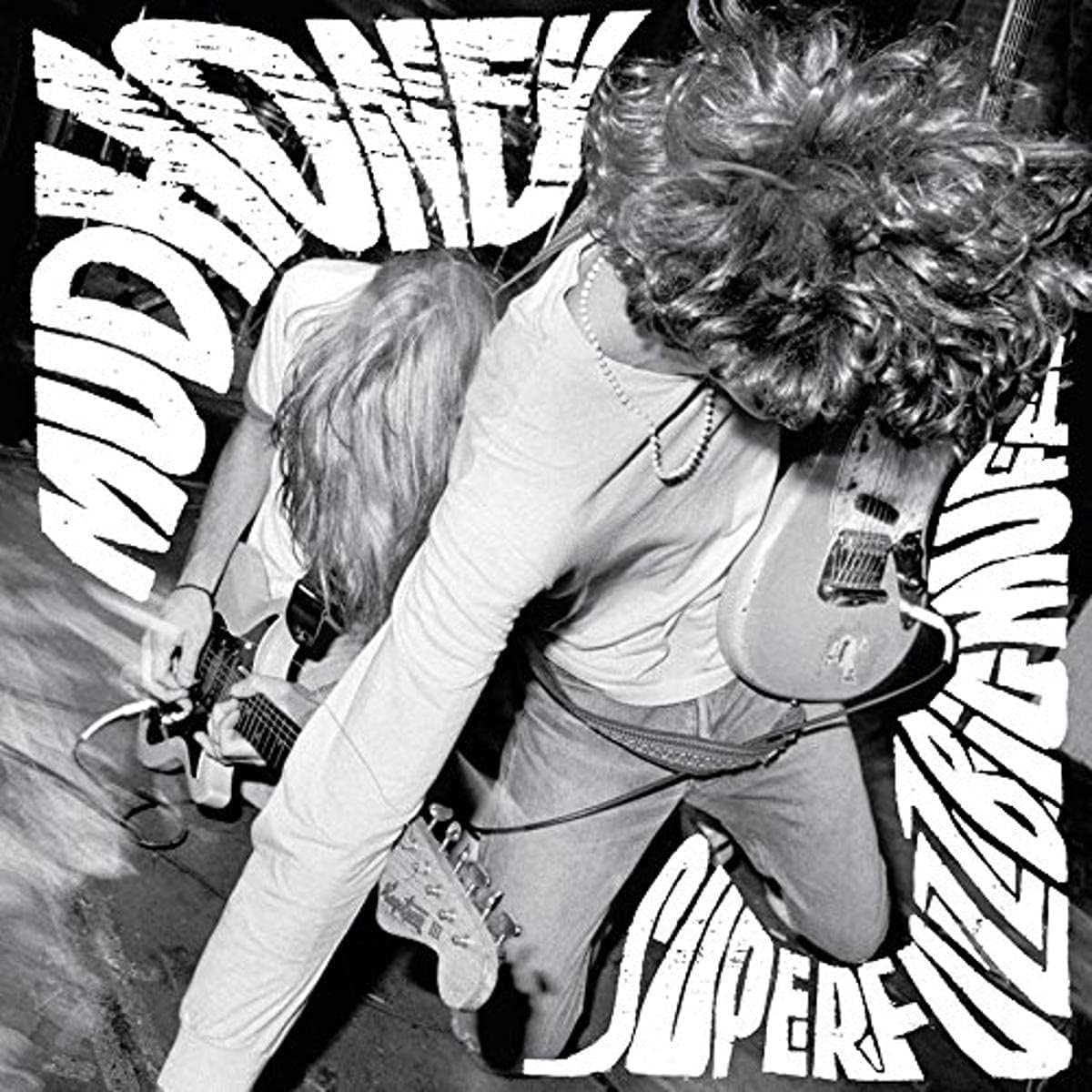
Mudhoney - Superfuzz Bigmuff (1988)
Mudhoney's debut six-track EP, Superfuzz Bigmuff, is wild, overdriven noise described by Sub Pop as "anthems that fucked up a generation". Named after the band's favourite guitar effects pedals, the Univox Super-Fuzz and the Electro-Harmonix Big Muff, Superfuzz Bigmuff helped to establish the band's signature "dirty" sound, a heavy use of fuzz pedals and a loose, garage-style production.
Songs like Touch Me I’m Sick or Twenty Four embodied a rebellious attitude that became central to grunge’s identity, a feral burst of fuzz with animalistic spits, snarls and bleeding guitars, creating a blueprint for the genre’s signature aesthetic. An album of lasting appeal, Superfuzz Bigmuff has continued to sell through multiple reissues, including a 2008 deluxe edition and various coloured vinyl pressings. These six tracks are often hailed as the release which really launched Sub Pop from being just a compilation newsletter to Seattle's Motown, one of the label's biggest-selling early records alongside Nirvana's Bleach.
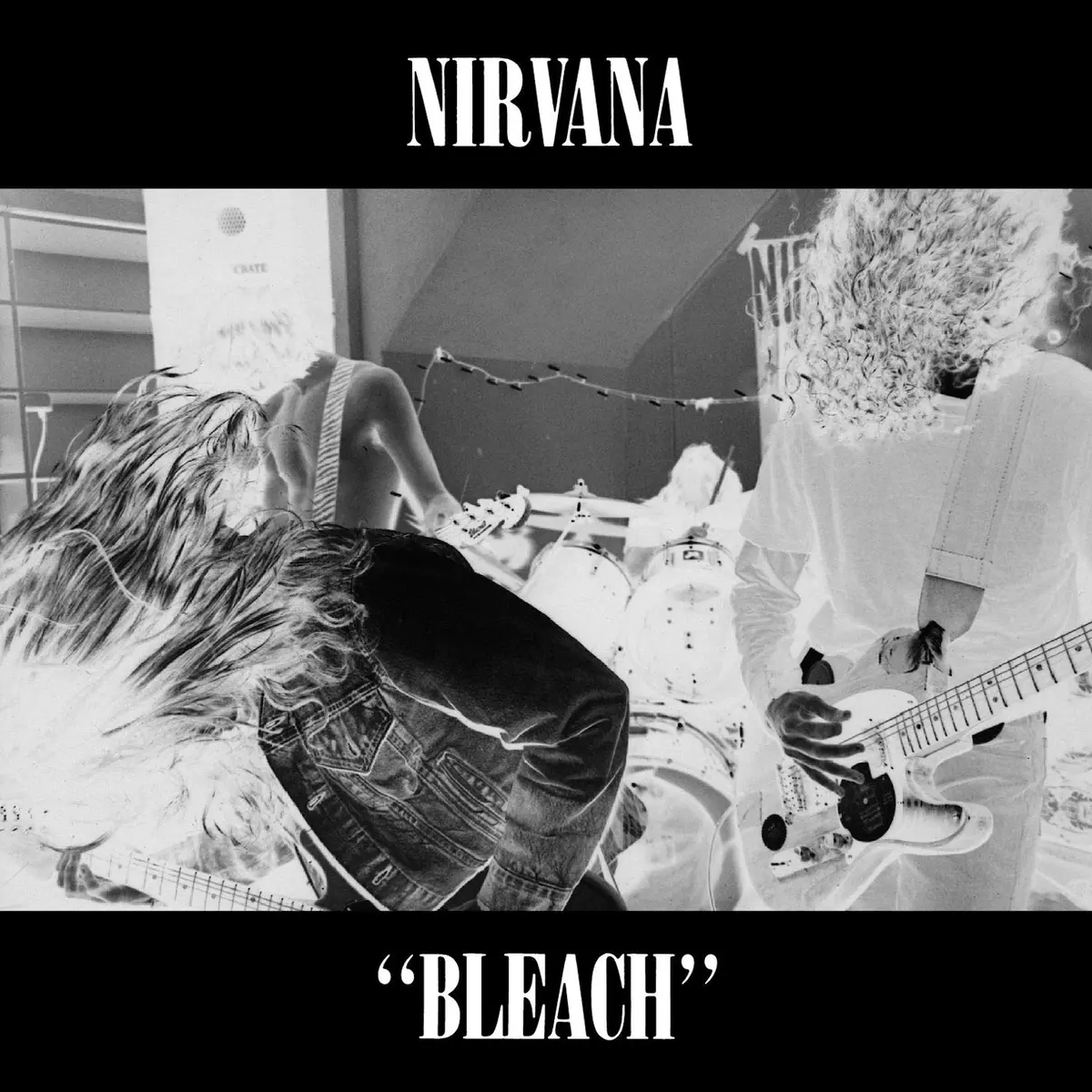
Nirvana - Bleach (1989)
Bleach introduced Nirvana as a heavier force rooted in punk and sludge metal. Following on from the groundwork of their fellow Sub Pop labelmates Mudhoney, Kurt Cobain and crew amped up the volume and aggression. The production and grinding guitar tones reflect the influence of Melvins and Black Sabbath, whilst revealing Kurt Cobain’s emerging melodic instincts. Though less polished than their later work, the album captures the underground spirit central to early grunge.
Album track About a Girl showcased Nirvana's softer sensibility that would later define their mainstream breakthrough, bridging the gap between underground noise and accessible songwriting, and some would say, allowing for grunge’s global rise.
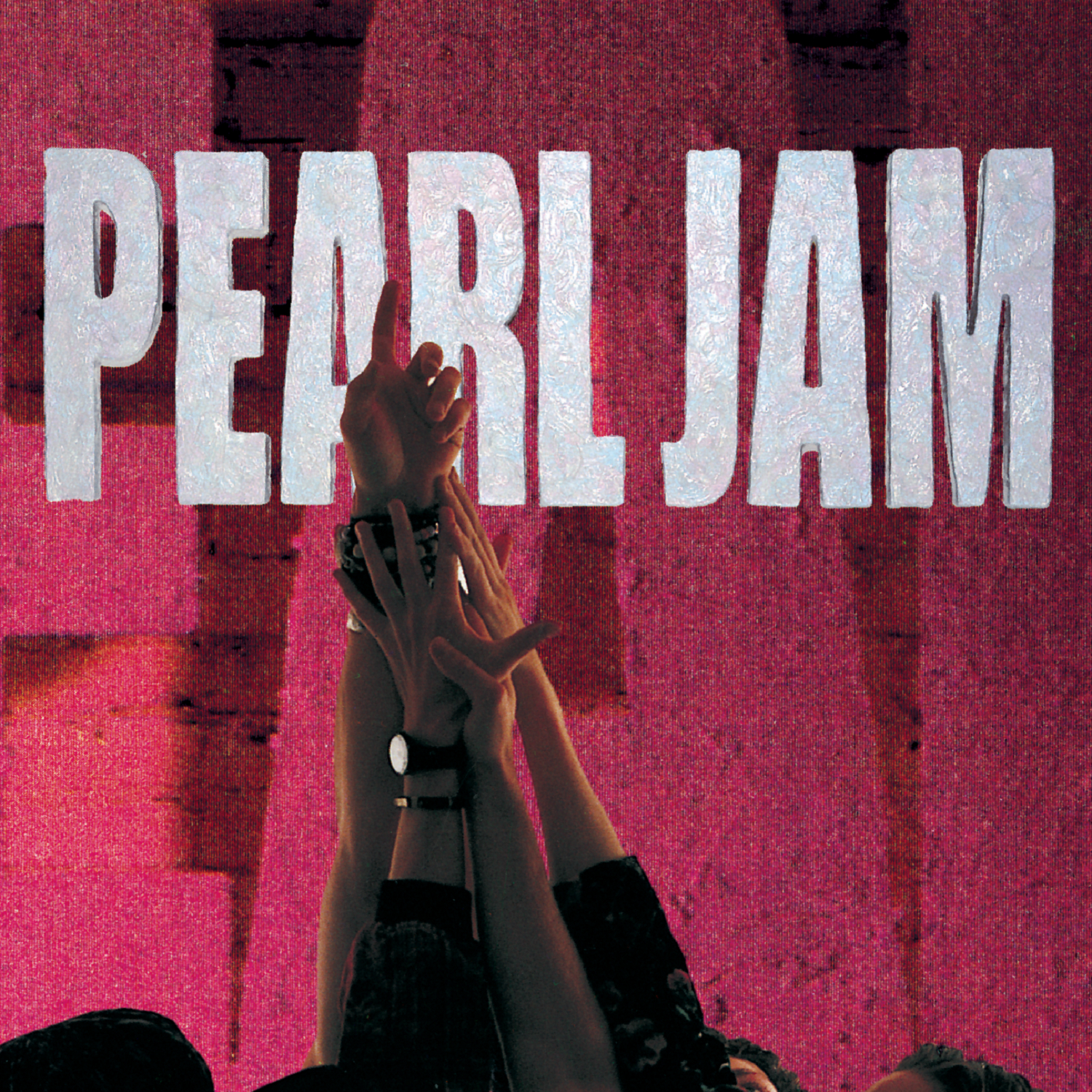
Pearl Jam - Ten (1991)
The songs began as instrumental demos by Mother Love Bone before frontman Andrew Wood died. Those recordings became the foundation of Ten after vocalist Eddie Vedder auditioned using the five-track demo.
Wood's band Mother Love Bone had a career ahead of them, a deal with Universal-owned Mercury Records following a bidding war for their signing. Pearl Jam picked up where MLB left off but transformed the sound, Eddie Vedder’s deep, expressive vocals combined with soaring guitar work creating a more polished and accessible take on it. Songs such as Jeremy received heavy MTV rotation, turning the band into global icons, while the album eventually sold over 13 million copies in the US. Unlike the rawer edges of earlier grunge, Ten balanced intensity with melody, addressing themes of deep emotional anguish, trauma and identity. Ten expanded grunge’s reach while maintaining its emotional core, another win for its journey to establishing mass appeal.
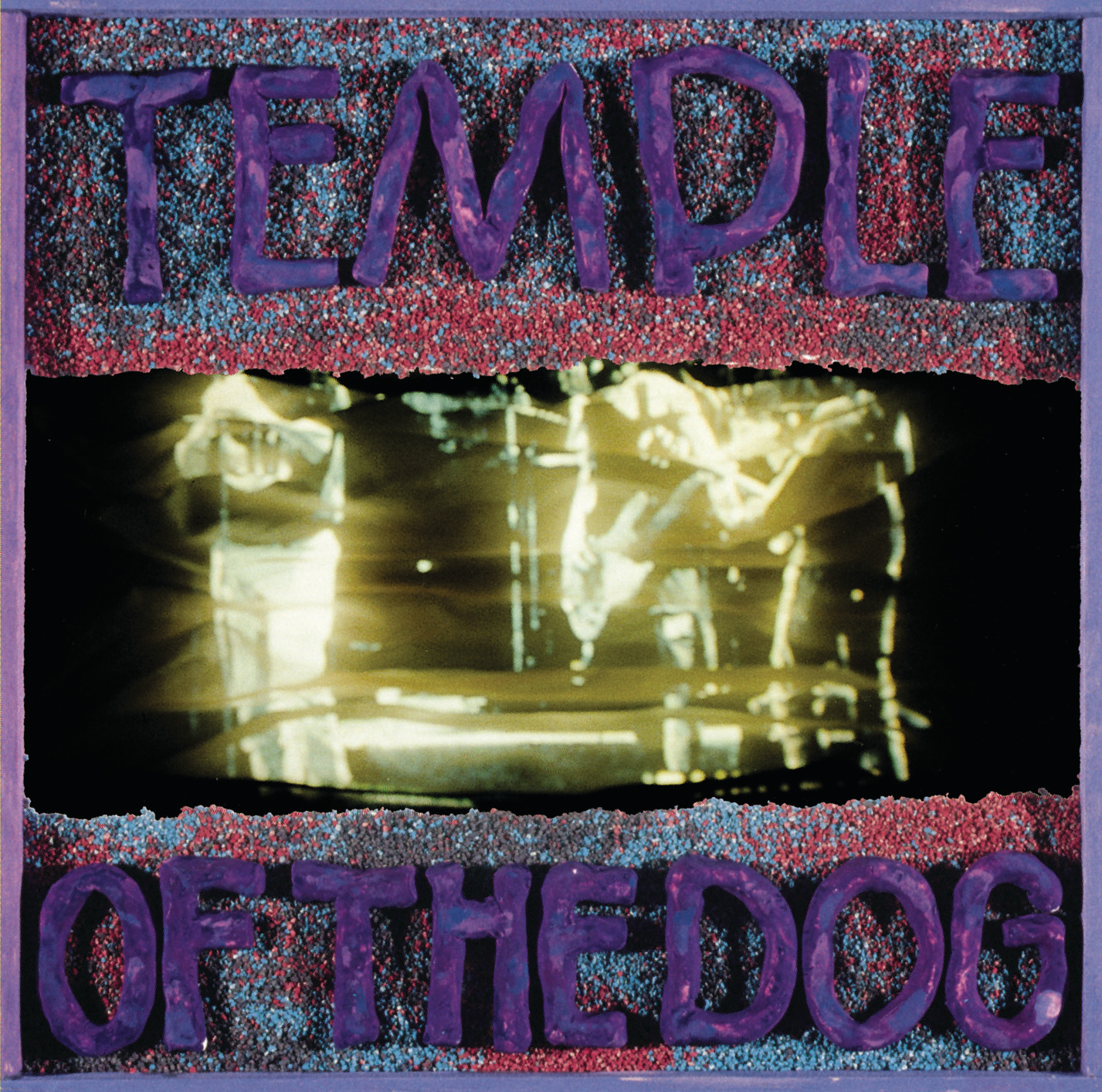
Temple of the Dog - Temple of the Dog (1991)
Temple of the Dog were a supergroup of Andrew Wood's friend and Soundgarden member Chris Cornell and former Mother Love Bone members, guitarist Stone Gossard and bassist Jeff Ament (now members of Pearl Jam).
Created as a tribute to Andrew Wood, the lead singer and lyricist for Malfunkshun and Mother Love Bone, this album embodies the tightly connected spirit of the Seattle scene and speaks to the bigger story of the interplay between creativity, fame and addiction which characterised the grunge scene (Wood tragically died of a heroin overdose, aged 24). Temple of the Dog combined soulful vocals with powerful rock instrumentation.
Chris Cornell’s performances were especially heartfelt, conveying grief and reverence. These were key figures of the grunge movement united at a pivotal moment.
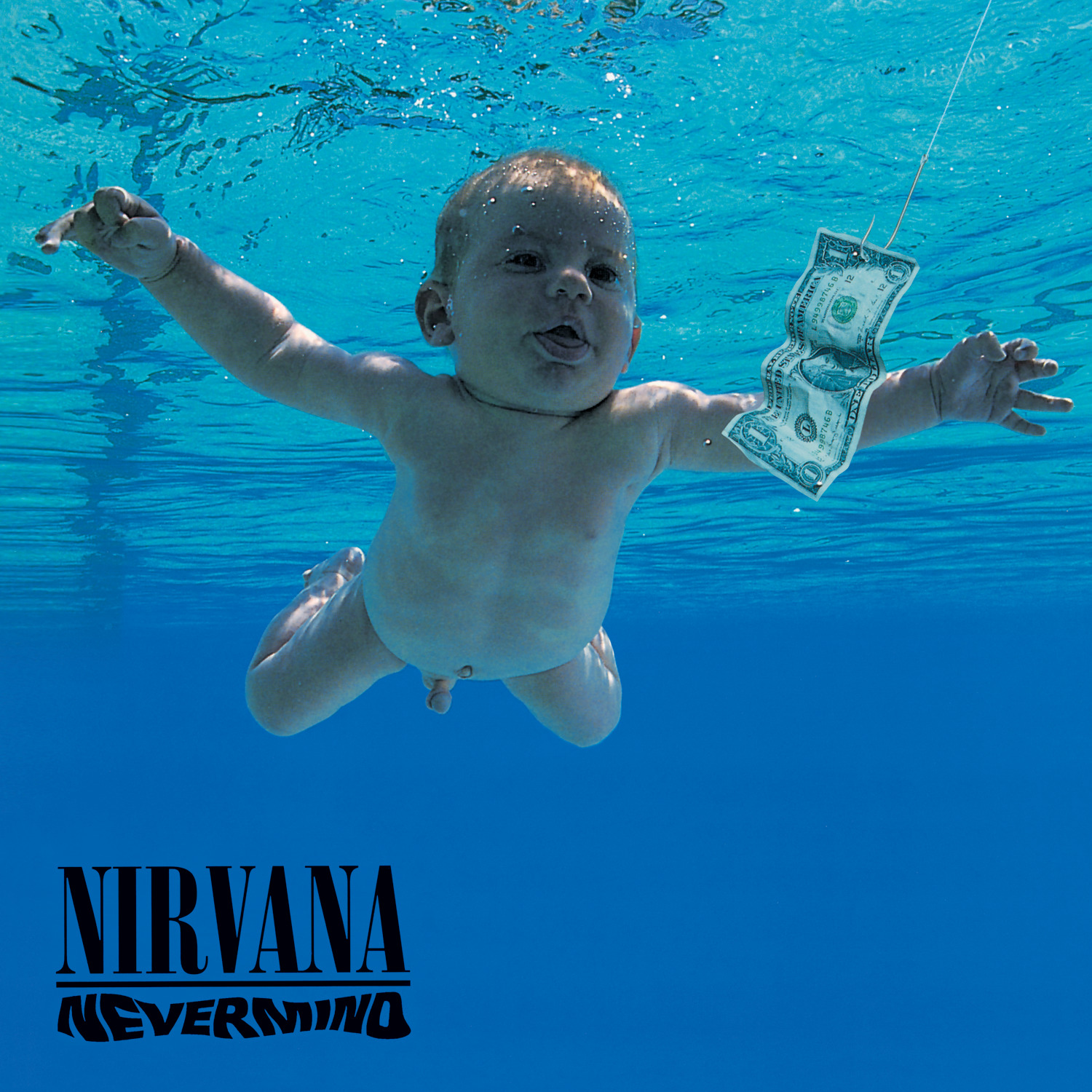
Nirvana - Nevermind (1991)
Kurt Cobain's identity as a misfit or outcast resonated with the 90s youth lapping up the 'grunge aesthetic' and continues to explain why grunge was perceived as having a raw authenticity that offered something entirely different from what had come before.
The second of only three Nirvana studio albums, a career sadly cut short due to Kurt Cobain's suicide at the age of 27, Nevermind transformed grunge from a regional subculture into a global phenomenon, redefining mainstream rock and the 90s music industry's priorities. Although another victim of the addiction and mental illness which ravaged the grunge scene Cobain was and is nothing short of an icon to many music lovers, admired for his strong anti-establishment views and progressive gender politics.
Kurt Cobain's identity as a misfit or outcast resonated with the 90s youth lapping up the 'grunge aesthetic' and continues to explain why grunge was perceived as having a raw authenticity that offered something entirely different from what had come before.
This seminal release has been duly celebrated within drop 2 of our 50th anniversary curation, key recognition for grunge's impact within a year-by-year reflection of five decades of counterculture.
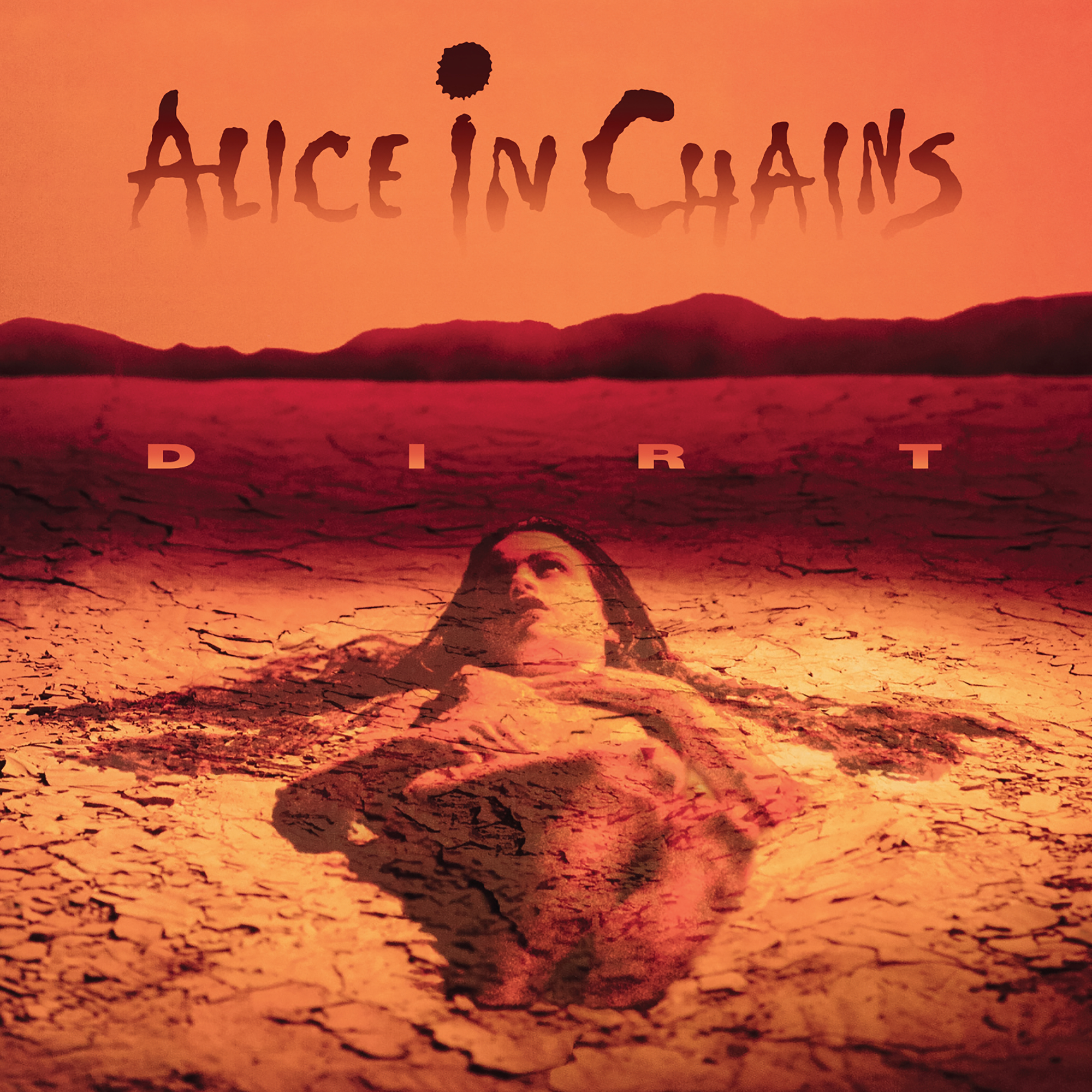
Alice in Chains - Dirt (1992)
Heavy, sludgy riffs and haunting harmonies. Dirt lives up to its name, representing the darkest and most introspective side of grunge, delving deeply into themes of addiction, despair and mortality.
Layne Staley’s raw, anguished vocals lend emotional weight to tracks like Rooster and Would? , while the album’s unflinching honesty and sonic heaviness pushed grunge into more challenging territory. Album track Would was originally a song about the passing of Mother Love Bone’s Andrew Wood, an anthem off the album which since developed into a reflection on self-destructive patterns. Layne Staley's story feeds further into grunge's tragic narrative, another grunge legend who died from a speedball overdose on April 5, 2002 aged 34, coincidentally exactly eight years on the day from Kurt Cobain's death.
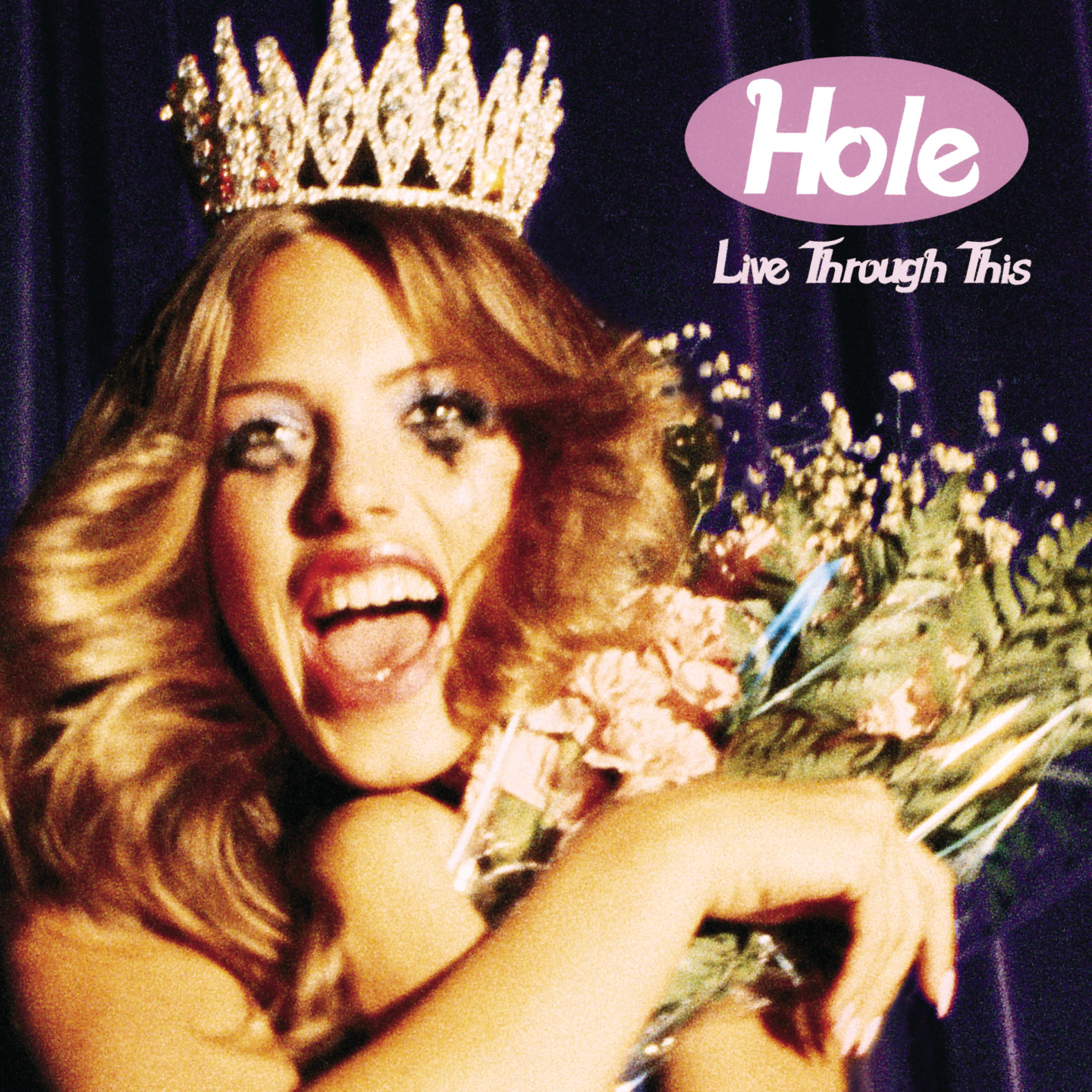
Hole - Live Through This (1994)
Hole finessed the gritty yet melodic grunge style, a fierce punk energy driving Courtney Love's confessional songwriting. Released just four days after the death of Love's husband, Kurt Cobain, the album coincidentally addressed the pressures of fame around their relationship, Love's conflicting identities as a mother and rock & roll star and societal expectations around femininity.
...the overwhelming takeaway is Love's poignant reckoning with violence, misogyny, motherhood and mental health.
Inspired by the 1976 horror film Carrie, the album's artwork featuring the iconic Ellen von Unwerth photoshoot has since become a universally recognised image of 90s rock culture. Featuring a woman in a tiara with ruined makeup and a bouquet of flowers, the album cover speaks to the album's exploration of beauty standards and gender conventions.
Even though the release of Live Through This was in some ways dominated by the immense grief and turbulence following Cobain's death, the overwhelming takeaway is Love's poignant reckoning with violence, misogyny, motherhood and mental health. This evolved the band towards a more melodic sound characterised by "quiet-loud" dynamics.
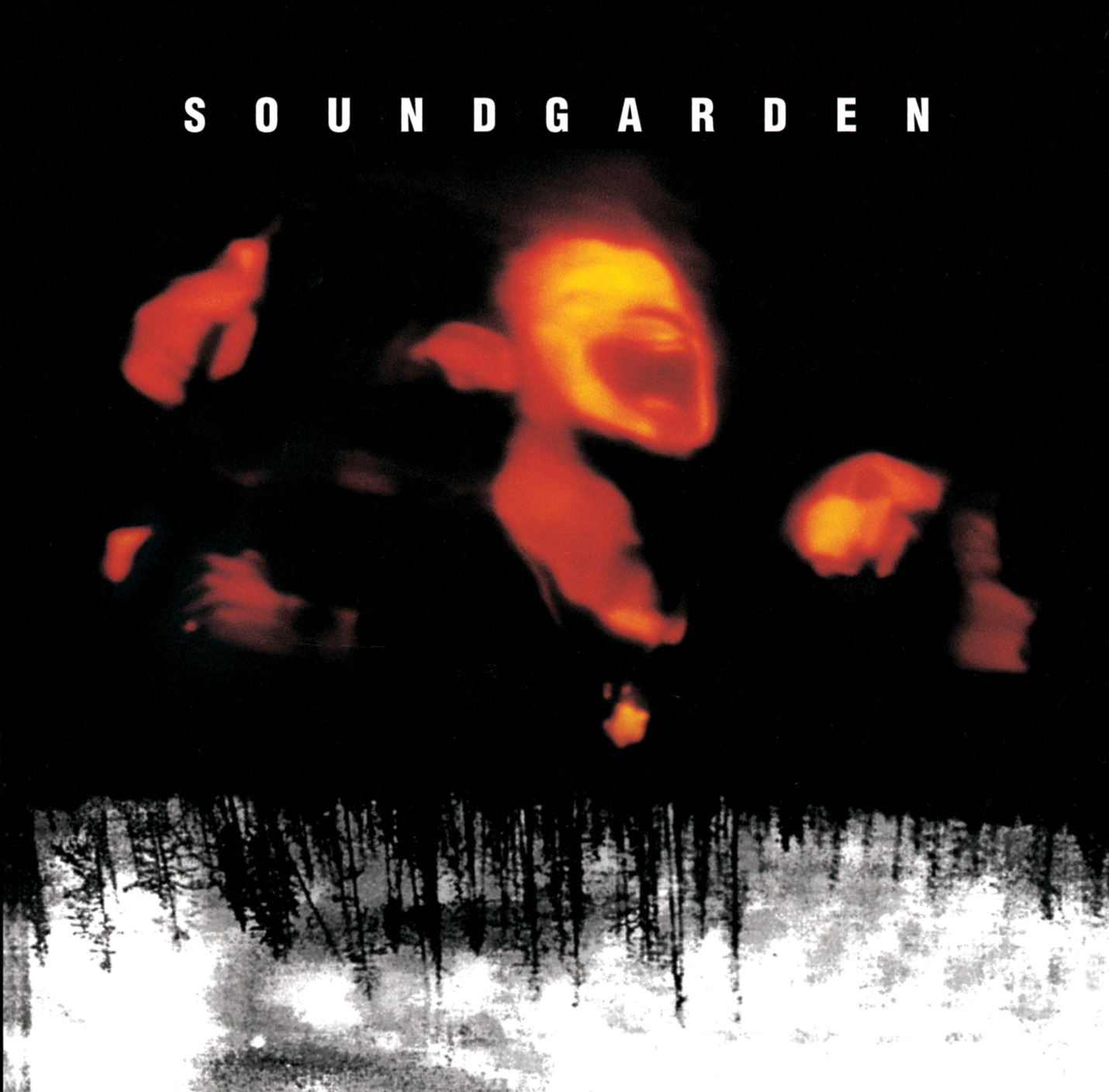
Soundgarden - Superunknown (1994)
A masterful blend of heavy metal and alternative rock quirks, showcasing Soundgarden at their creative peak. Superunknown helped to demonstrate how grunge could evolve artistically, delivering both heavy moments as well as swirling psychedelia.
The iconic singing voice of Soundgarden and Audioslave singer Chris Cornell is remembered as a defining element of the band, and Superunknown track Black Hole Sun is a particularly memorable track amongst the Seattle outfit's entire discography, showcasing Cornell's magnificent four-octave range. Superunknown distinguished Soundgarden from other nineties grunge bands with its uniqueness, and despite being released amidst grunge's first stages of decline, the album went platinum, won two Grammy Awards and is widely regarded as one of the best albums of the 1990s. Whilst rooted in the intensity of Seattle grunge, Superunknown bridged into stoner rock and alternative characteristics, influencing later bands like Queens of the Stone Age.
From Soundgarden’s humble beginnings manifesting grunge in Seattle's punk clubs to their revered status today as rock icons, the full story of the ’90s rockers is now compiled in A Screaming Life: Into the Superunknown with Soundgarden and Beyond, lead guitarist Kim Thayil's 2026 memoir.
Further Listening
Minneapolis grunge-punk trio Babes in Toyland brought riot grrrl energy into grunge’s darker underground corners between 1987 and 2001.
San Diego band Stone Temple Pilots broke the rule that grunge is exclusively a success story for Seattle bands.
Psychedelic textures and Mark Lanegan’s haunting voice, Screaming Trees are undoubtedly one of the most distinctive Seattle-era grunge acts.
Australian post-grunge band Silverchair released their debut album, Frogstomp, when their band members were only 15 years old, making them one of grunge’s biggest non-American breakouts.
Although not strictly grunge, Chicago-formed Veruca Salt were very much involved with the scene with a mix of melodic hooks, fuzzy guitars, and dual female vocals, delivering some of the sharpest alt-rock songs of the decade.
Pennsylvania rockers Superheaven provide a modern grunge revival, channelling thick ’90s guitar tones and melancholic songwriting into contemporary grunge-inspired rock.
Philadelphia band Mannequin Pussy combine punk, noise rock and melodic vulnerability, carrying the spirit of grunge into the 2020s.
Mixing shoegaze haze with heaviness, Texas natives Narrowhead also operate within a current wave of bands reinterpreting grunge for a new generation.
Further Reading
Rough Trade Essential: Rock Albums
A Rough Guide To: Hardcore
A Rough Guide To: Contemporary Emo