
"I don't care about making anything new. I make music to express an emotion, and if the emotion is nostalgic, so be it."
Mitski, 2016
This quiet defiance is at the heart of everything Mitski does. Across eight albums Mitski has built one of the most emotionally devastating catalogues in modern indie music, one that feels deeply personal yet eerily universal. Where some artists reach for relatability, Mitski reaches inward, pulling from longing, loneliness and the ache of feeling. And somehow, every time, she speaks for all of us.
Her beautiful yet gut-wrenching lyricism has established Mitski as one of her generation's greatest singer-songwriters - but it is her willingness to be truly uncomfortable, truly exposed, that sets her apart. From the raw bedroom recordings of Lush to the arena-ready narratives of Nothing's About To Happen To Me, she has never once compromised the emotional truth at the centre of her work.
Join us as Rough Trade West's Celeste ranks the singer-songwriter's dazzling discography.
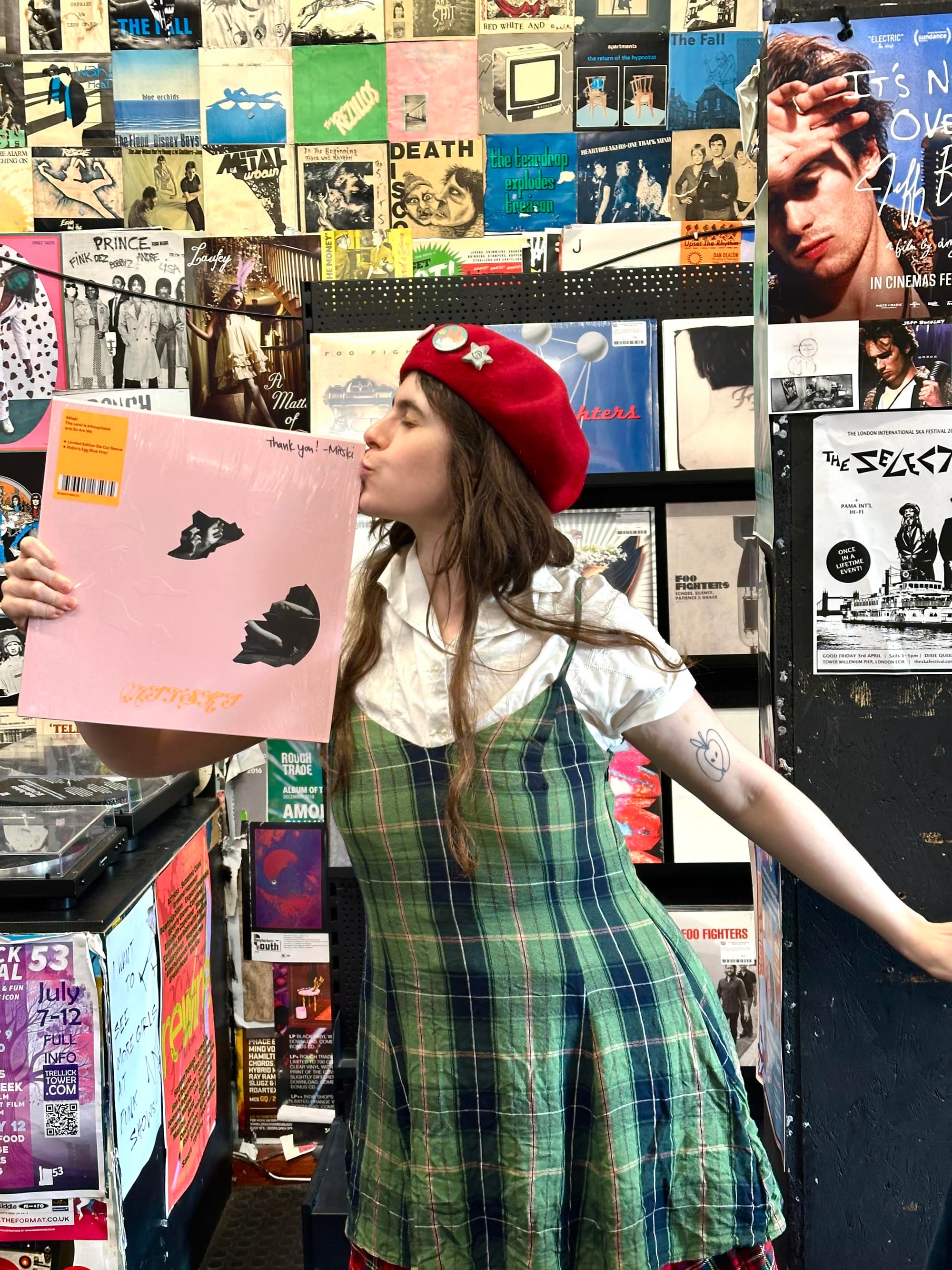
"The release of Nothing’s About To Happen To Me last month marks Mitski’s eighth album. Colouring her songs with unflinching honesty and imagery lifted straight from a memory, I’ve always found she manages to articulate long-buried feelings like no one else. Admittedly, I arrived pretty late to her music, but can proudly say that I have a scar on my middle finger from accidentally punching the edge of a cupboard in the throes of emotion, while listening to Your Best American Girl. I’m proud to bear the markings of a Mitski lover, and hope it qualifies me enough to write this."
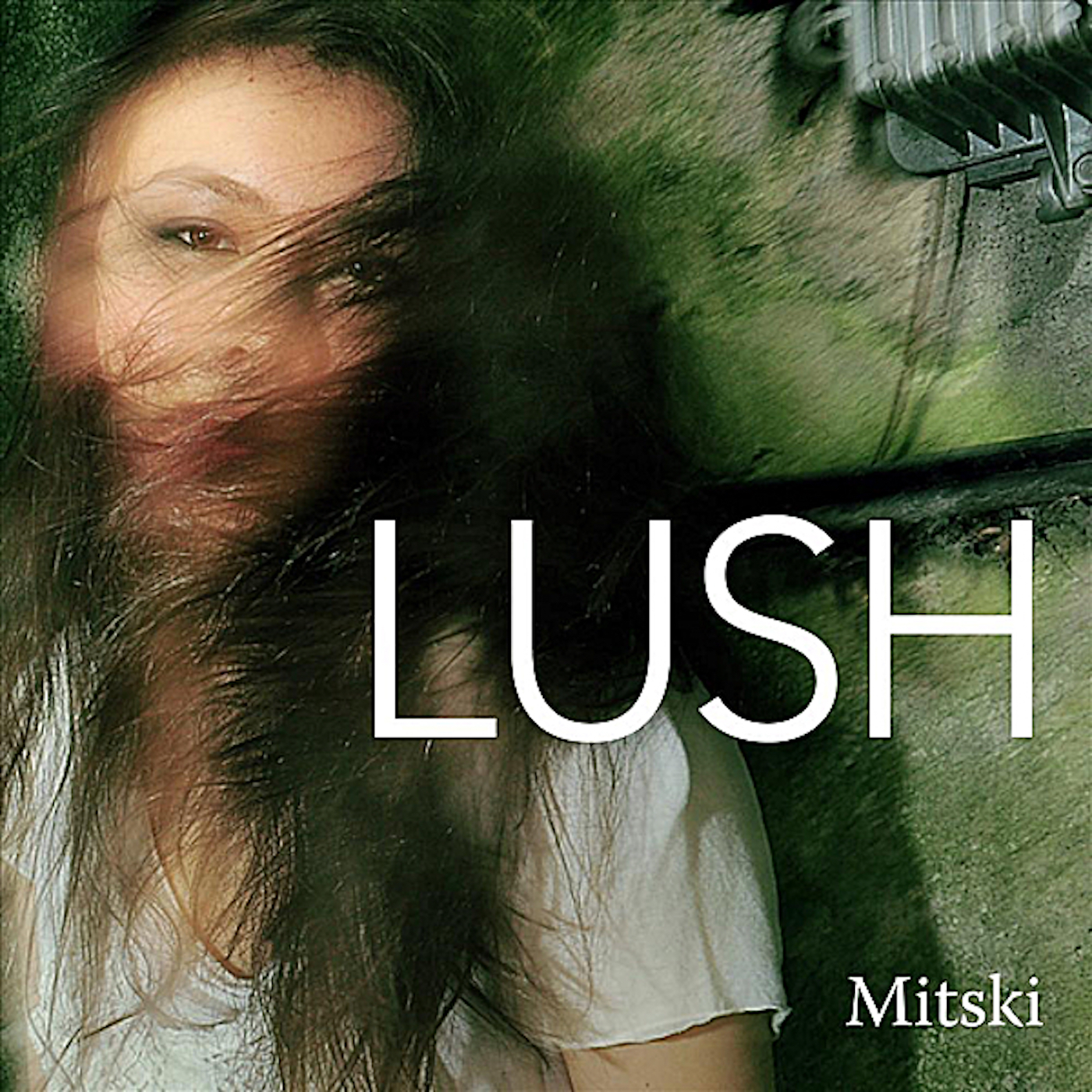
8. Lush (2012)
Already well-equipped with a lyrical voice far beyond her years, Mitski independently released her debut album as her junior year university project. Spanning less than half an hour, Lush traverses the oceanic depths of longing on Pearl Diver, coming up for air on the shuddering, grunge-drenched Brand New City. It is a startlingly mature debut for someone still so new to adulthood, but it was clear from the start that Mitski was a born storyteller. While Lush lacks the cohesive overarching storyline of her later releases, each song still holds a distinct world all of its own.
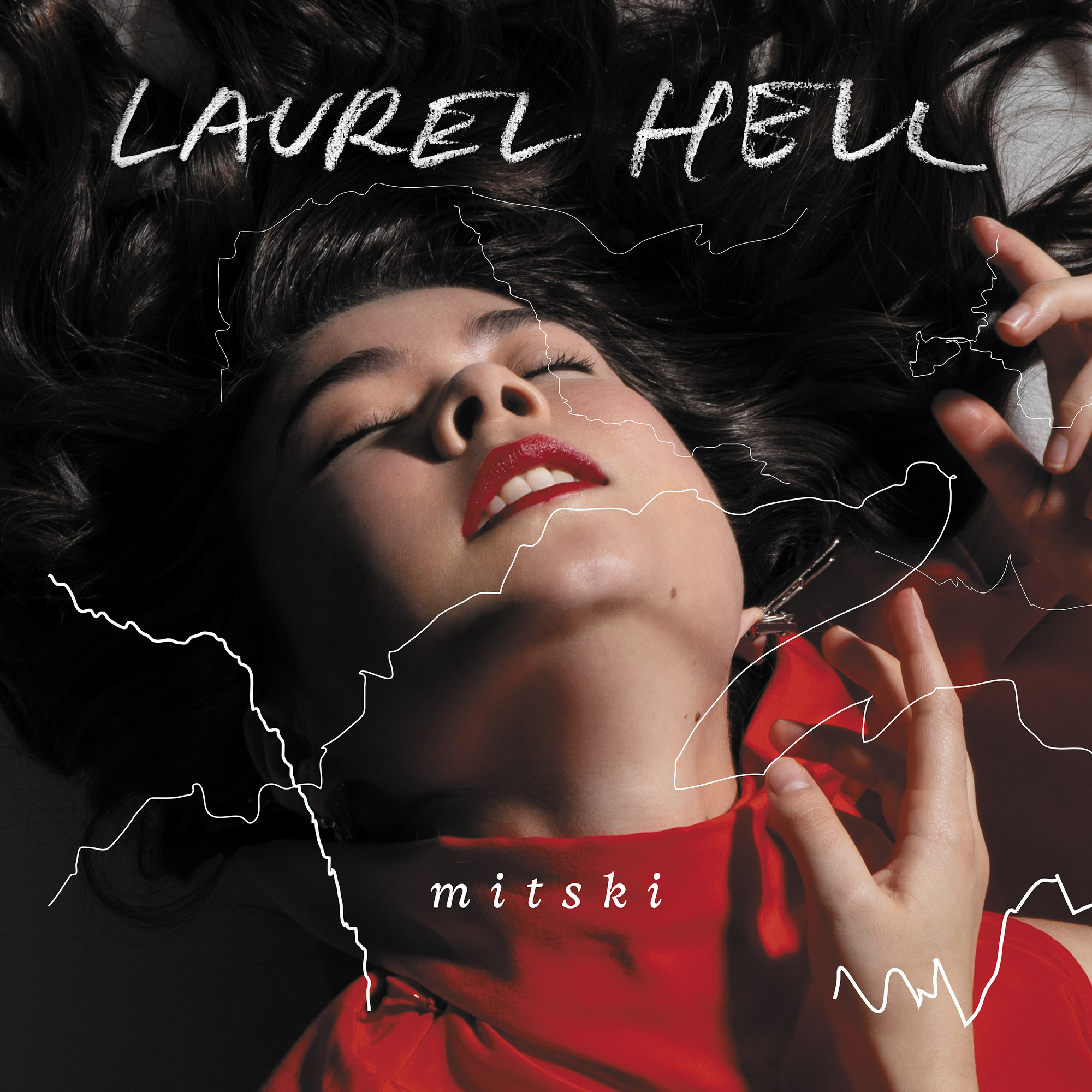
7. Laurel Hell (2022)
It was a subversion from her usual style: an homage to the synthy scapes of the 80s, lead single Working For The Knife was a cutting look at Mitski’s career and being worn down by the music industry. Having come off social media not long before the album’s release, it seemed natural that she would be questioning the idea of celebrity as someone fairly new to the club - and feeling the effects. She expands on it on Everyone, a kind of warning song: ‘Sometimes I think I am free/Until I find I’m back in line again’. Maybe such a bleak look at the inner workings of a music career wasn’t what fans wanted at the time, but I maintain that on Laurel Hell, Mitski still holds out a lot of hope for herself. Her willingness to break from what fans expected of her and create an incredible, unapologetic pop album proved there was always something more around the corner for Mitski.
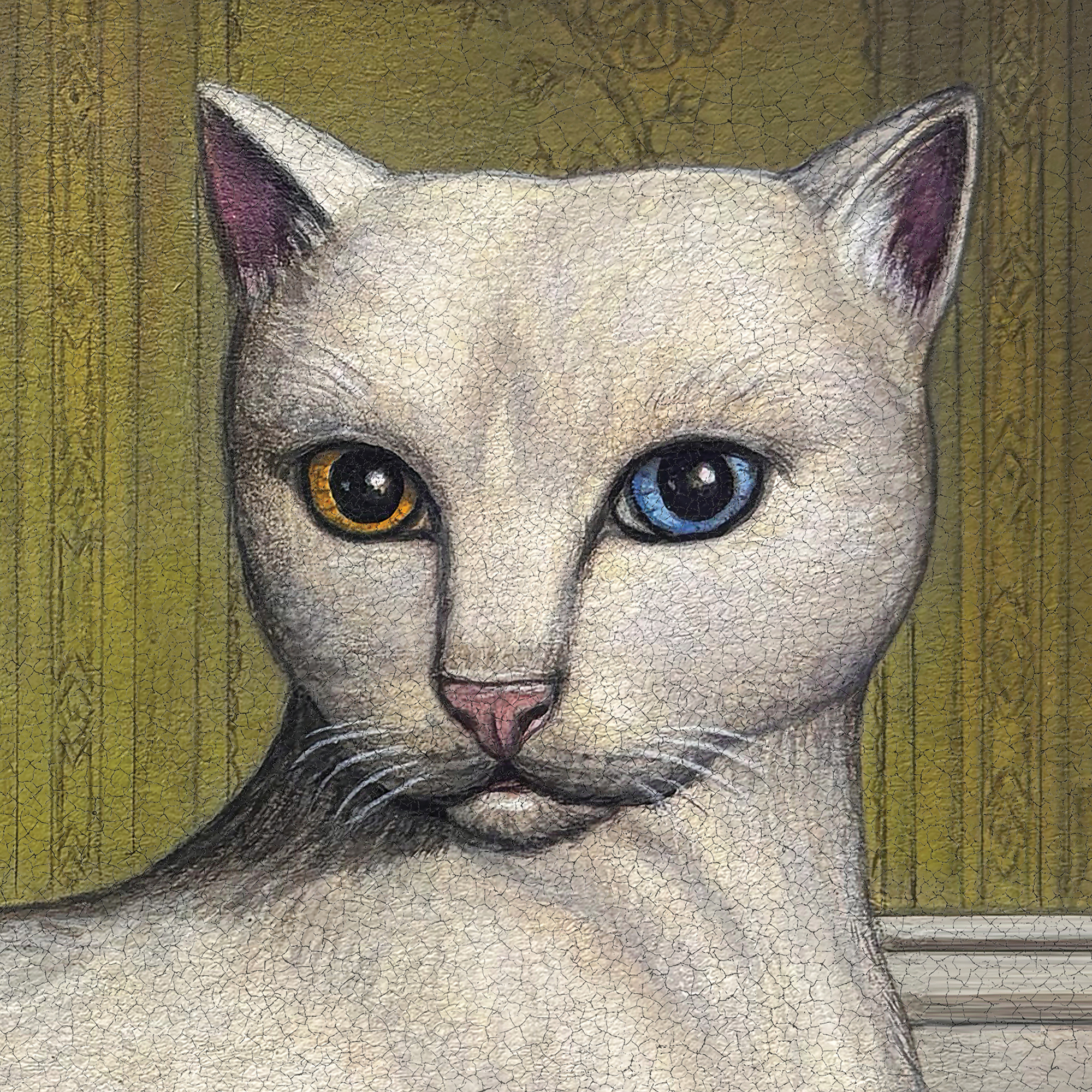
6. Nothing’s About To Happen To Me (2026)
Which takes us to the present day! The new album unfolds like a locked-room mystery, with Mitski at the centre, surrounded by nostalgia but with no one to share it with - par the neighbourhood cat, who marks his territory on her house (plus the numerous other critters squatting there in harmony), and so she grudgingly uses it as motivation to carry on: ‘Gotta go to work/To pay for that cat’s house/For the red-corseted wasp/Who lives in the roof/For the family of possums/For the bugs that drink my blood’. On this and Dead Women, she goes for ya-ya-yas or do-do-dos in the choruses, a catchy kind of self-soothing you can imagine her rocking back and forth to. Ultimately, it’s a story of a woman grappling with isolation, coming to a head on the desperate single I’ll Change For You, where Mitski offers to become someone her lover would want to stay with, all to gorgeous, bossa-nova tinged instrumentation. I’m excited to see how Nothing’s About To Happen To Me settles into the grander Mitski-verse - and where she takes us from here.
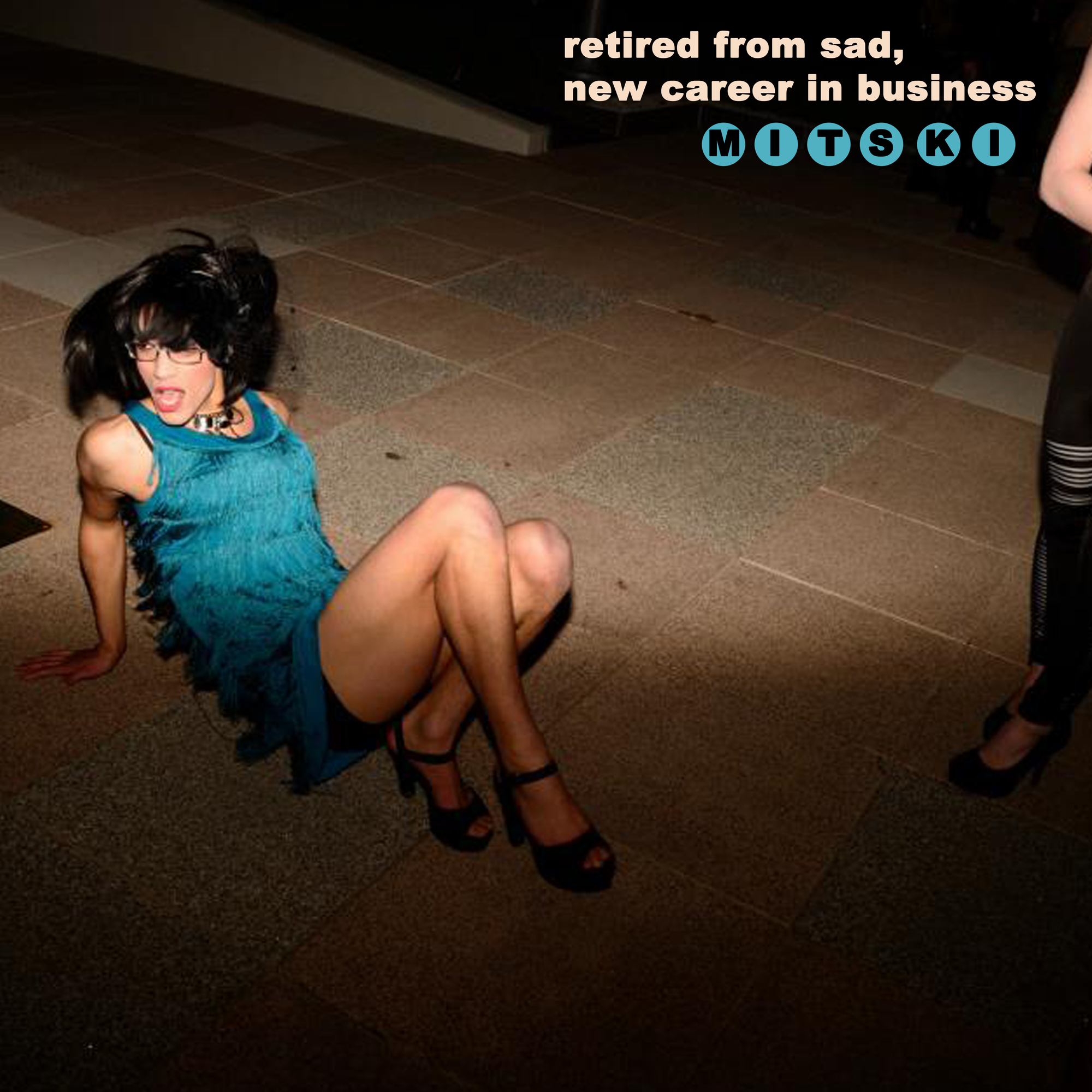
5. Retired From Sad, New Career In Business (2013)
Another uni project! I’m glad I didn’t have Mitski on my course, or I think I would have dropped out completely. Far weirder and folkier than Lush, Retired From Sad opens with one of my all-time favourites, Goodbye My Danish Sweetheart, which leaps around like a may pole dance, drums crashing as her vocals build to a near-falsetto against a frantic guitar riff. Strawberry Blond had a huge resurgence circa 2020, the classic Mitski bait-and-switch: you think you’re listening to a love song, then realise the ache running through as it becomes clear it’s unrequited. Class of 2013 may take the cake for lyrical excellence, though (‘Mom, would you wash my back?/This once, and then we can forget/And I’ll leave what I’m chasing/For the other girls to pursue’) but if you want to really feel it, listen to the Tiny Desk performance, where she screams it into her guitar’s pickup.
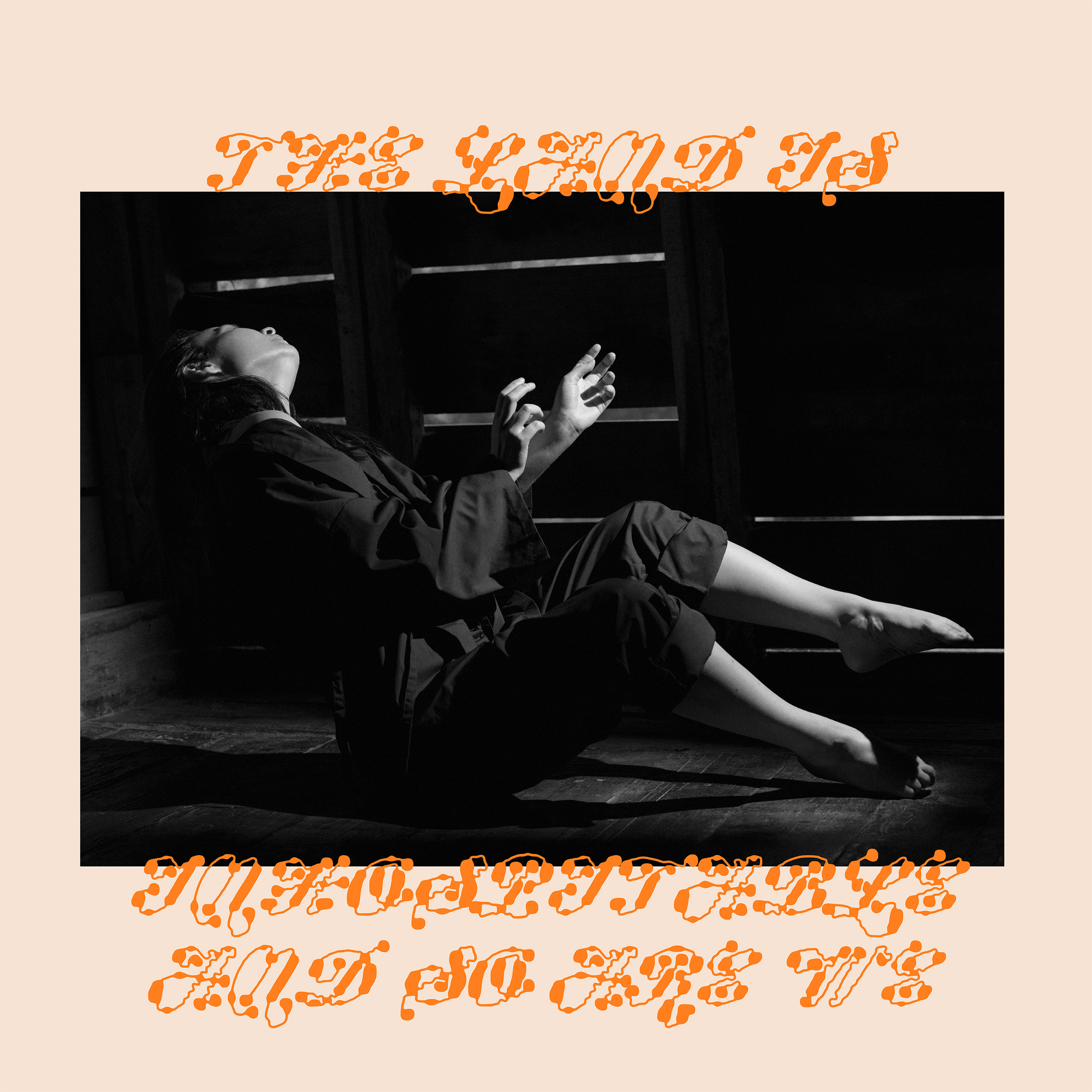
4. The Land is Inhospitable and So Are We (2023)
‘Freight train stampedin' through my backyard/It'll run across the plains like the new buffalo replaced’ - so sings Mitski on track 2, Buffalo Replaced, of her seventh album. Here, she rides into the Wild West on a white horse: no stranger to experimentation, her signature heartfelt lyricism slots easily into a more rustic, Americana-inspired sound, replete with banjos and lap steels galore. Mitski has, in fact, become the cowboy, and she’s all the happier for it. In the immensely popular My Love Mine All Mine, Mitski denounces material things for her lover: ‘Nothing in the world belongs to me/But my love, mine, all mine, all mine/My baby here on Earth/Showed me what my heart was worth’. I think a lot of The Land’s shine is that it ignores the critics who dismissed Mitski’s discography as ‘sad girl music’ - yeah, sure, there are moments that tear you apart, but Mitski taps into the muddier shades between love and dependency so insightfully, it’s hard to write her off as a one-trick pony.
3. Bury Me At Makeout Creek (2014)
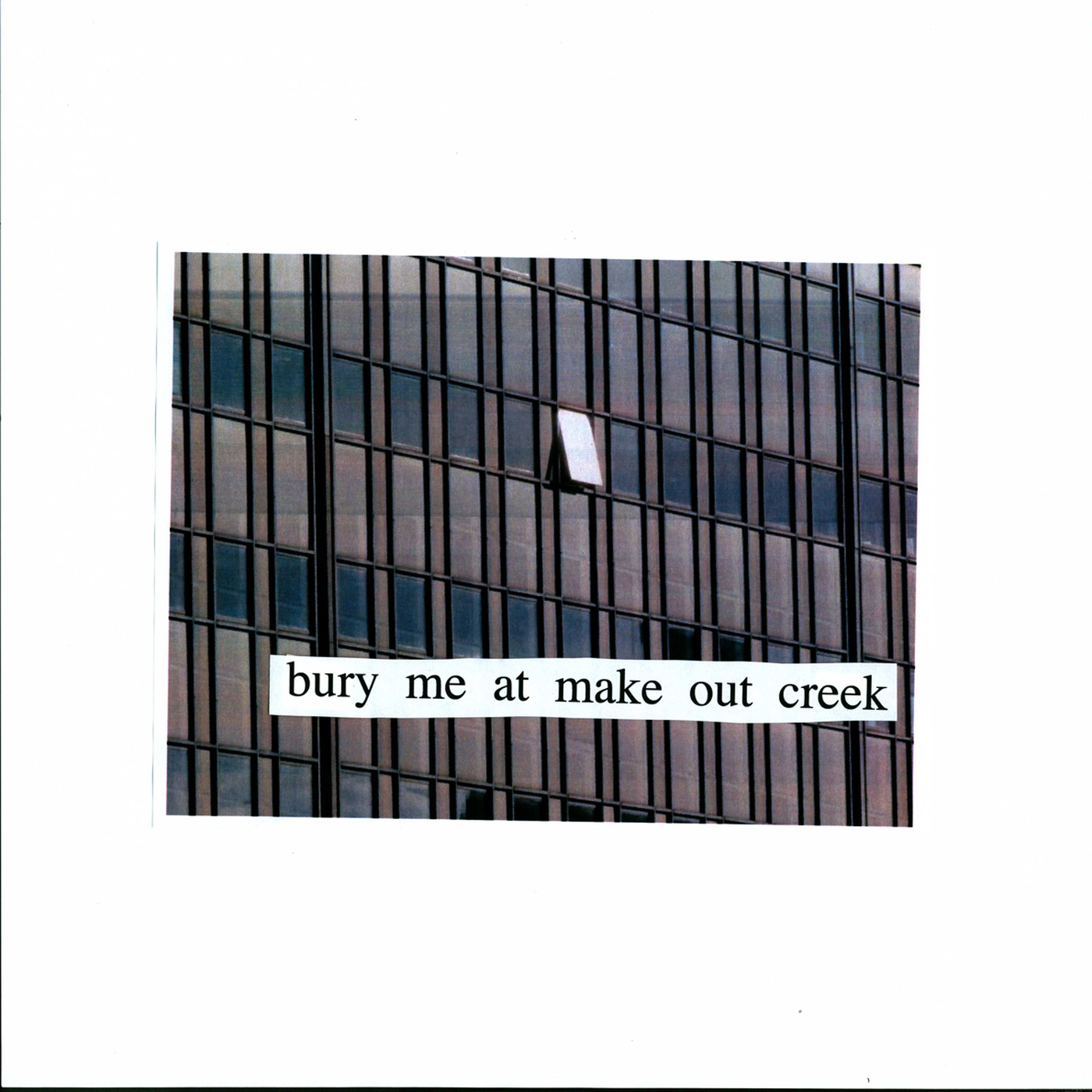
Named for Milhouse’s parting words in The Simpsons episode ‘Faith Off’, Bury Me… signalled Mitski’s departure from piano to a heavier, fuzz-laden guitar. Her poetry has been refined by heartbreak, with songs like Last Words of a Shooting Star taking on a world-weary maturity: ‘I always wanted to die clean and pretty/But I'd be too busy on working days/So I am relieved that the turbulence wasn't forecasted/I couldn't have changed anyways’. Bury Me At Makeout Creek unifies Mitski’s knack for drawing us into her internal narrative with an expanded textural palette; a live kit punches her bargaining for requited love on I Will, the thrumming bass a stand-in for an aching heart. No wonder the record has found itself resurging in popularity over the years, including a cover of Francis Forever on cult animated show Adventure Time in 2016.
2. Be The Cowboy (2018)
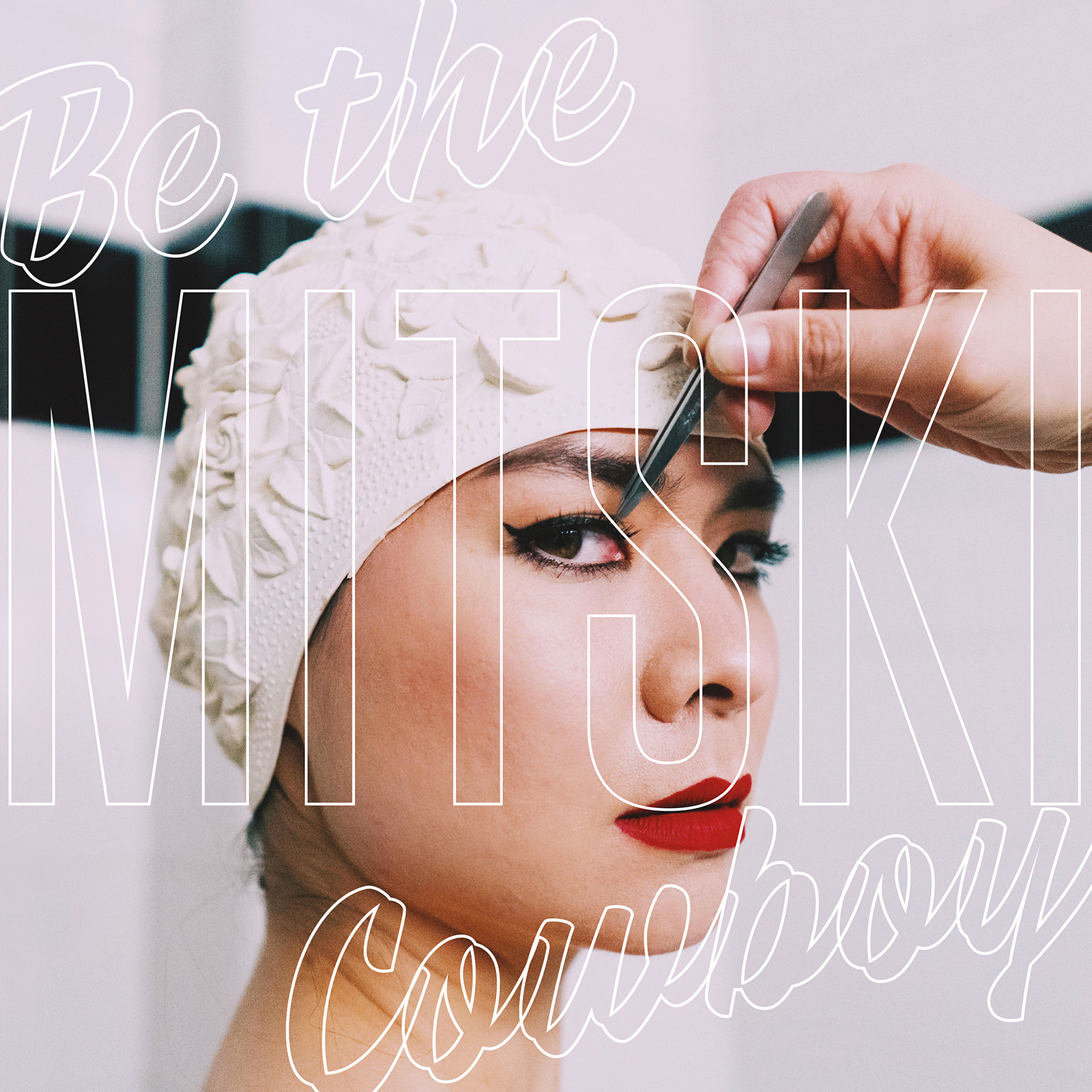
Spanning synth-pop, disco, folk, alt-rock and everywhere in between, Be The Cowboy is difficult to put into words. From the descent into madness of Nobody (‘Give me one good movie kiss and I’ll be alright’) to self-destruction in A Pearl (‘I fell in love with a war/And nobody told me it ended’), Mitski manages to both devastate and stay playful. She’s certainly having the most fun with her choice of noise - she ramps up the self-deprecating humour on Washing Machine Heart, punctuated with stomp-claps: ‘Toss your dirty shoes in my washing machine heart/Baby, bang it up inside/I’m not wearing my usual lipstick/I thought maybe we would kiss tonight’. Brilliant.
1. Puberty 2 (2016)
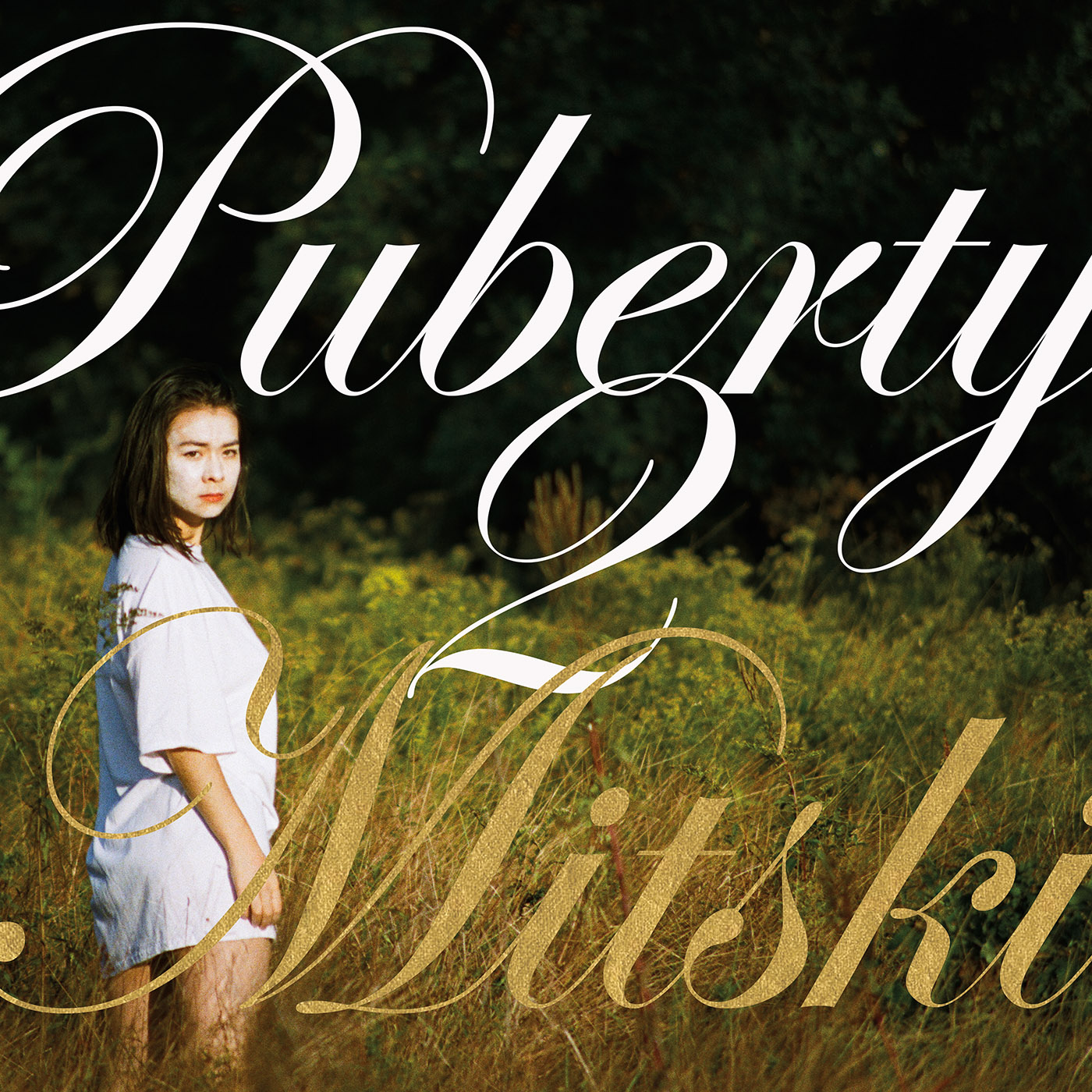
On the album that propelled her into stardom, Mitski’s songwriting has all the depth of her previous work, but with a newfound assuredness, navigating questions of cultural identity on Your Best American Girl, and the need for a lasting dopamine hit on eerie album closer Crack Baby. Mitski and producer Patrick Hyland’s intricately woven soundscapes are more vast than ever before, like on the half-screamed jangler My Body’s Made of Crushed Little Stars, so when you do reach the points where the wall of sound is peeled away and it’s just you and Mitski, the album’s lyrical preoccupation with loss is all the more poignant. Puberty 2 trades fragility for catharsis to full effect.