
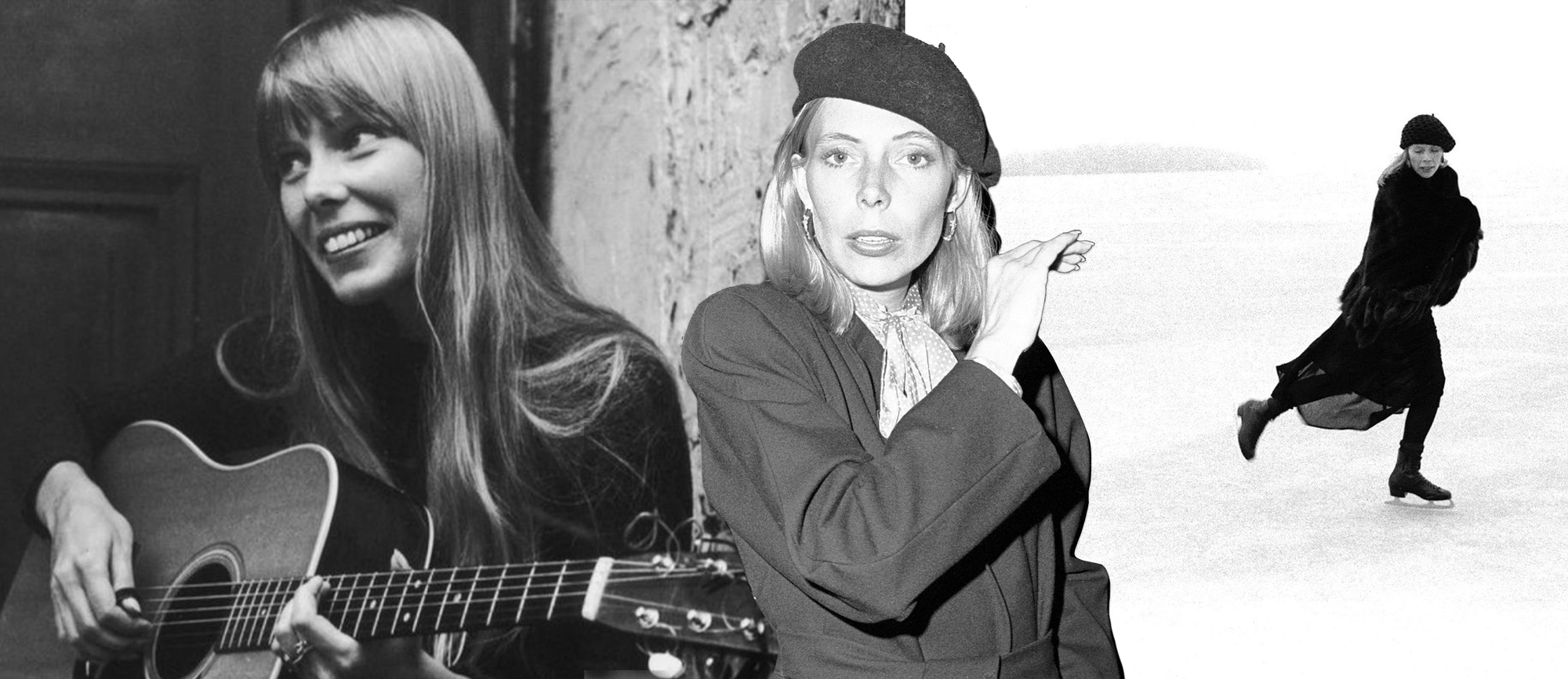
"Music and words have always been how we make sense of experiences. My travelogue’s chapters, and my family's, are punctuated and articulated through her songs."
It’s been nearly sixty years since the world was formally introduced to the incomparable Joni Mitchell. The Canadian born poet, painter, and of course, musician, changed the songwriting landscape forever with a near-perfect run of albums from 1968-1976, with other incredible albums following suit after. Before releasing her debut, Song to a Seagull, Mitchell had prolific cuts from some of the 60s most successful folk interpreters: Judy Collins, Tom Rush, Fairport Convention, Neil Diamond, Ian & Sylvia, CSNY, just to name a few.
It would be easy to simplify Joni Mitchell as a folk singer when she is the definition of the word artist. She is a painter of portraits, words, and instrumentation. She is as much a folk singer as she is a jazz musician as she is a rockstar, and her influence gets clearer everyday. With the celebration of the greatest songwriter alive growing by the day, along with a Cameron Crowe biopic in the works, it made sense to revisit and select our 10 favorite Joni albums.

Come along as Rough Trade NYC's resident Joni Mitchell expert Lucie ranks her top 10 favorite albums from the Canadian singer-songwriter.
"If you asked my friends to do an impression of me, the first thing they would say without hesitation is, 'I remember exactly where I was when I heard this song for the first time'. But I don’t remember the first time I heard Joni Mitchell’s music. I come from a long line of Joni fans, and as a result, in preschool I was manning the large classroom stereo telling my toddler classmates that we should play Joni and James. I was a lot of fun.
I went through different music phases as I came of age, but started going back to the beginning when I was 14. I had received the complete Joni Mitchell Guitar Book for the holidays, and in this book was a universe that changed how I saw, listened to and wrote music forever. It transcribed all of Joni’s songs with her various different tunings, and as a young songwriter who struggled with barre chords, my world got a whole lot more colorful sonically speaking. I later even learned the dulcimer and subsequently went viral playing California on it… if my only claim to fame is for a Joni Mitchell cover, I am okay with that.
I’m also the daughter of a music supervisor and used book concierge, which may explain why my life feels so deliberately soundtracked and so steeped in language. Music and words have always been how we make sense of experiences. In Amelia, Joni sings, 'then your life becomes a travelogue/full of picture postcard charms.' My travelogue’s chapters, and my family's, are punctuated and articulated through her songs.
Now you know the context in which I was asked to rank my top ten favorite albums in Joni Mitchell’s catalogue. It’s an impossible task, and one that resists objectivity in many ways. While my relationship with each record changes constantly, I feel grounded in where I landed. Whether you agree or disagree, I hope the list invites conversation - or at least some listening."

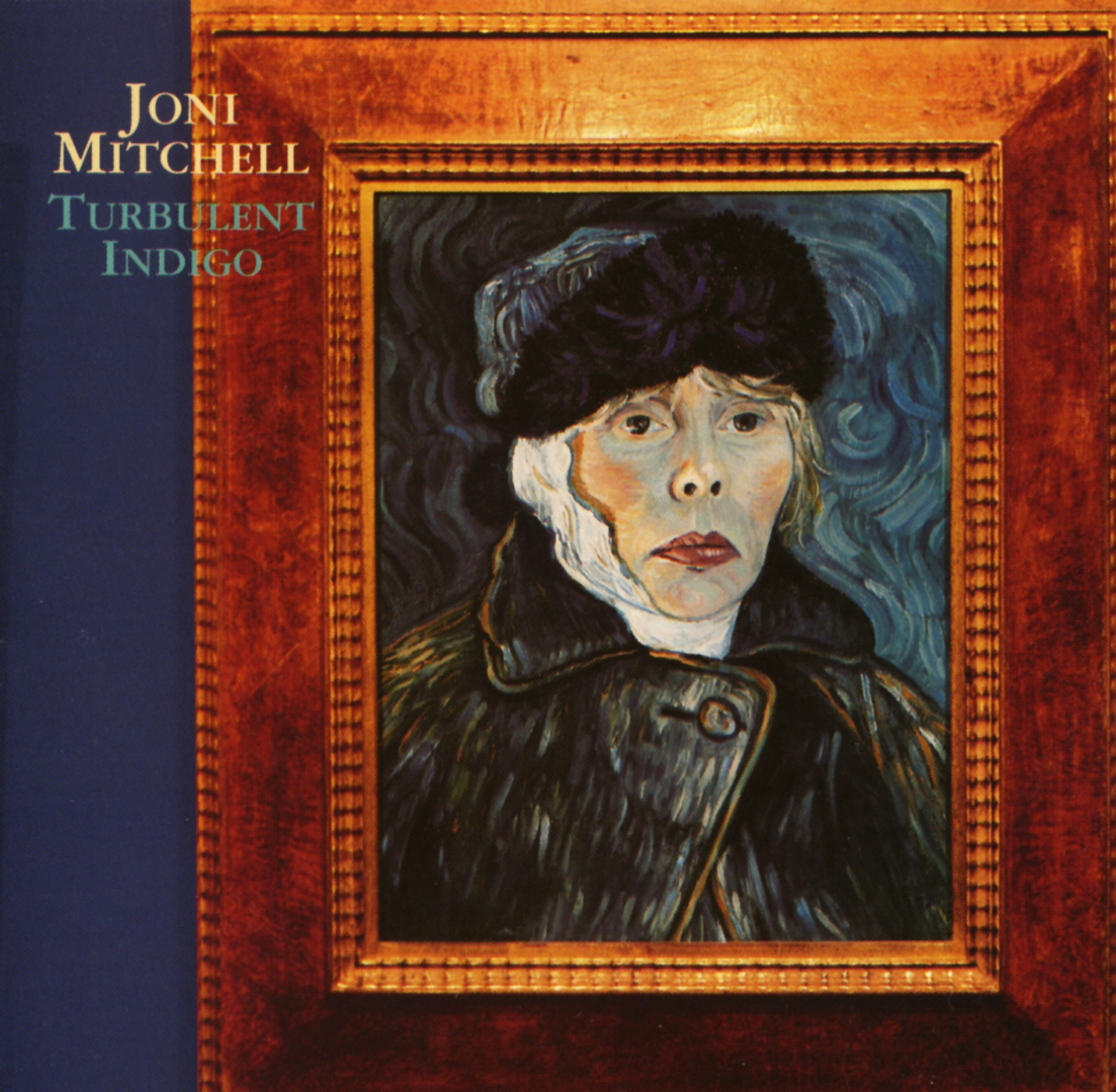
10. Turbulent Indigo (1994)
Landing at number 10 is 1994’s Turbulent Indigo. As Joni’s voice changed, so did the ways in which she utilized sonic space, and it ultimately became her new instrument. It took a few albums for her to fully settle into this, but once she did, the 1990s yielded three consecutive records that document her vocal transformation with remarkable clarity.
Her use of acoustic instruments and new-wave-adjacent synth textures allows her voice to sit front and center. Turbulent Indigo is a bit of a divorce album for Joni and ex-husband/musical partner Larry Klein, and you can hear the intimacy and emotion too. It’s no wonder it won the pair two Grammy Awards that year - and it’s also pretty cool that she beat out Mariah Carey and Madonna for the Best Pop Album award.
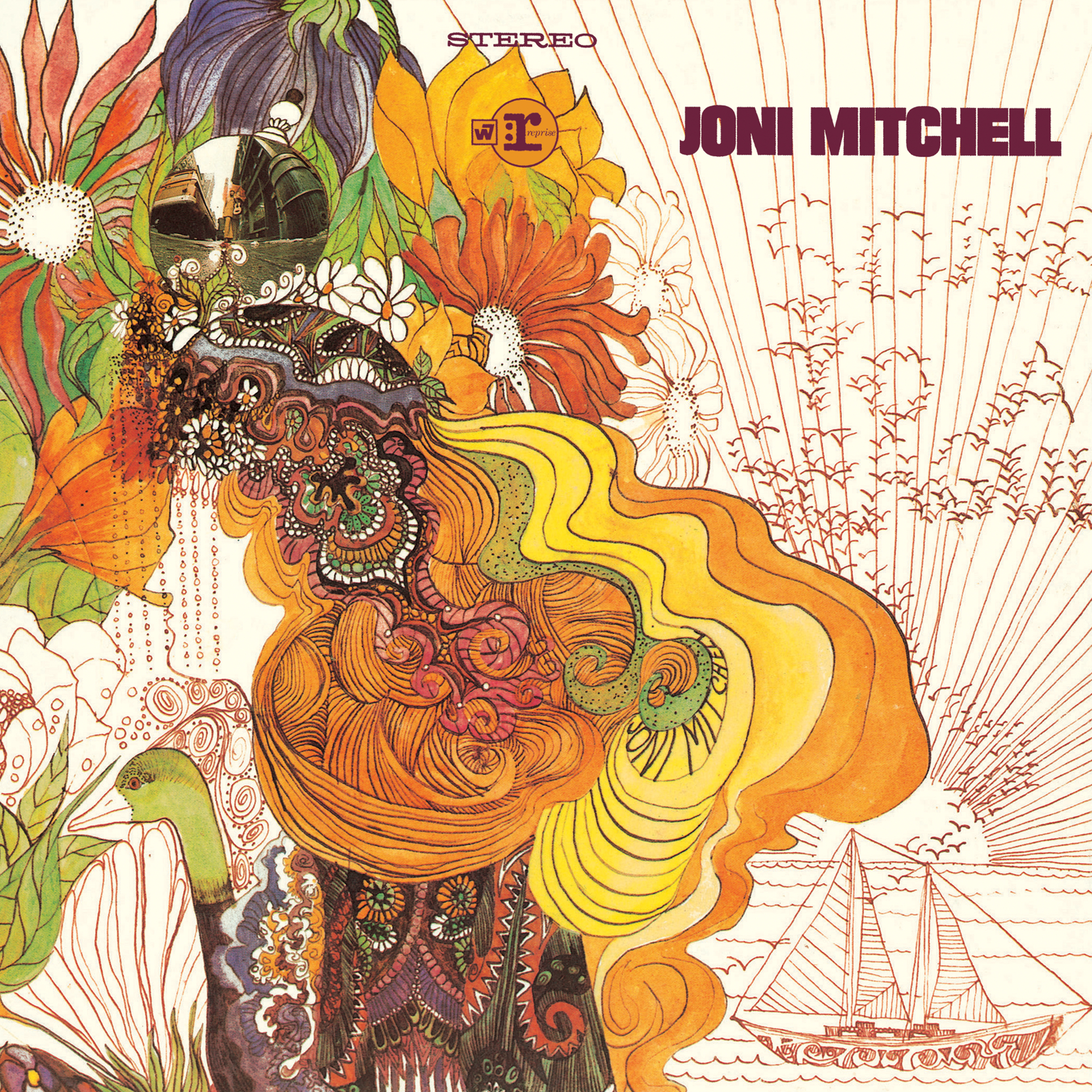
9. Song to a Seagull (1968)
The opening and closing tracks on Joni’s debut record bear two of my favorite lyrics in her entire repertoire. In I Had a King, she sings, “I can’t go back there anymore/You know my keys won’t fit the door,” a line that captures the end of a relationship perfectly. The album then closes with Cactus Tree, a top 5 Joni song for me, and it is one of, if not her clearest, self portraits.
“There’s a lady in the city/And she thinks she loves them all/There’s the one who’s thinking of her/There’s the one who sometimes calls/There’s the one who writers her letters/With his facts and figures scrawl/She has brought them to her senses/They have laughed inside her laughter/Now she rallies her defenses/For she fears that one will ask her/For eternity/And she’s so busy being free”.
Long before the public weighed in on who Joni is and what her artistry represented, she had already articulated the central motif that would define her work: freedom outweighs everything else. Not out of self destruction or detachment, but out of survival. For a debut record, it’s astonishingly self aware.
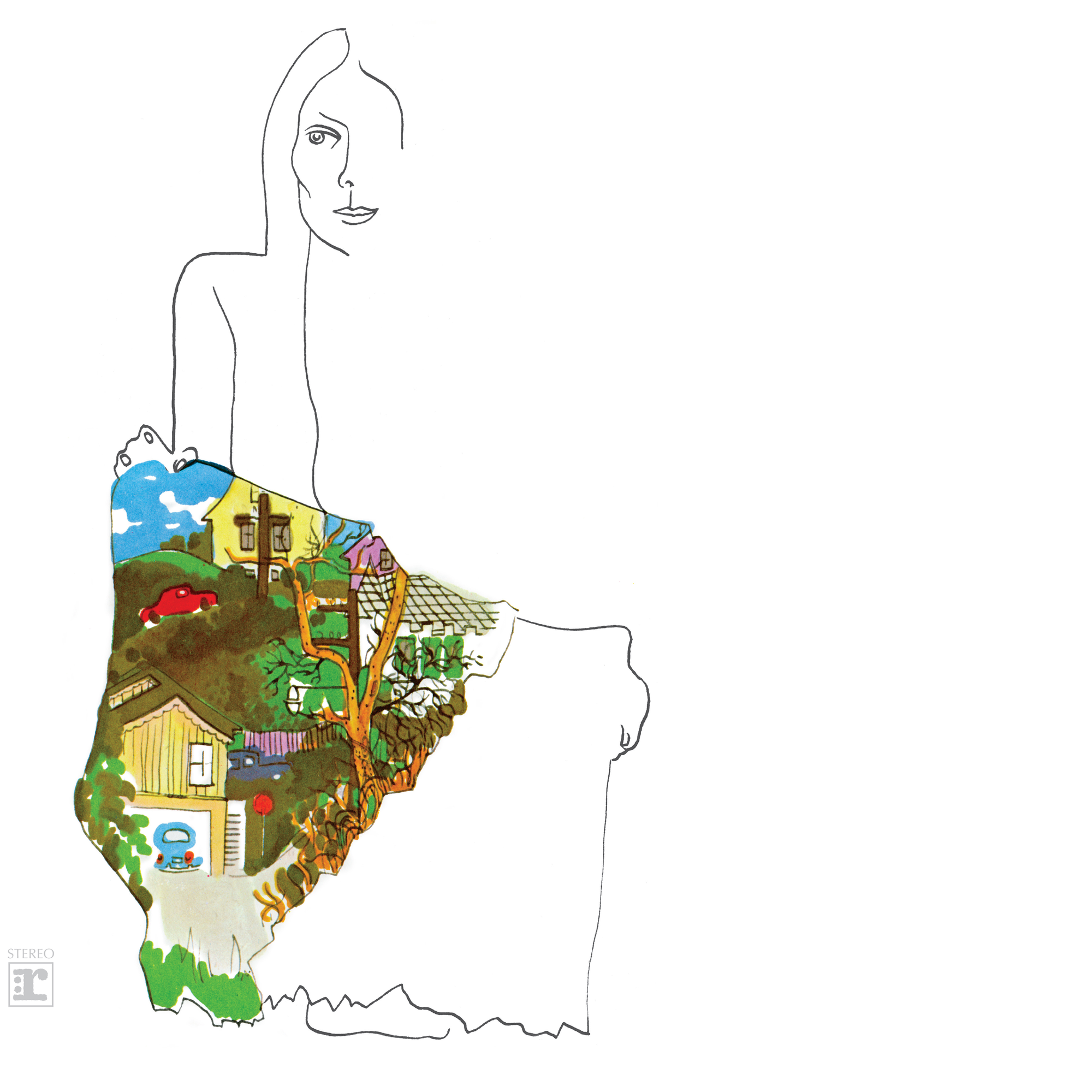
8. Ladies of the Canyon (1970)
Ladies arriving at #8 should immediately signal just how challenging it is to rank Joni’s discography. While not a formal concept album, she paints the Laurel Canyon scene with such vivid colors that it will always serve as a 1970s time capsule.
There’s the perfectly gentle Morning Morgantown; then there are a slew of ahead-of-its time commentaries with For Free, Big Yellow Taxi and The Circle Game - and yes, all of those songs are on the same album. My personal favorite is Willy, a love song about Graham Nash. Together, the twelve tracks feel carefully gathered and cohesive.
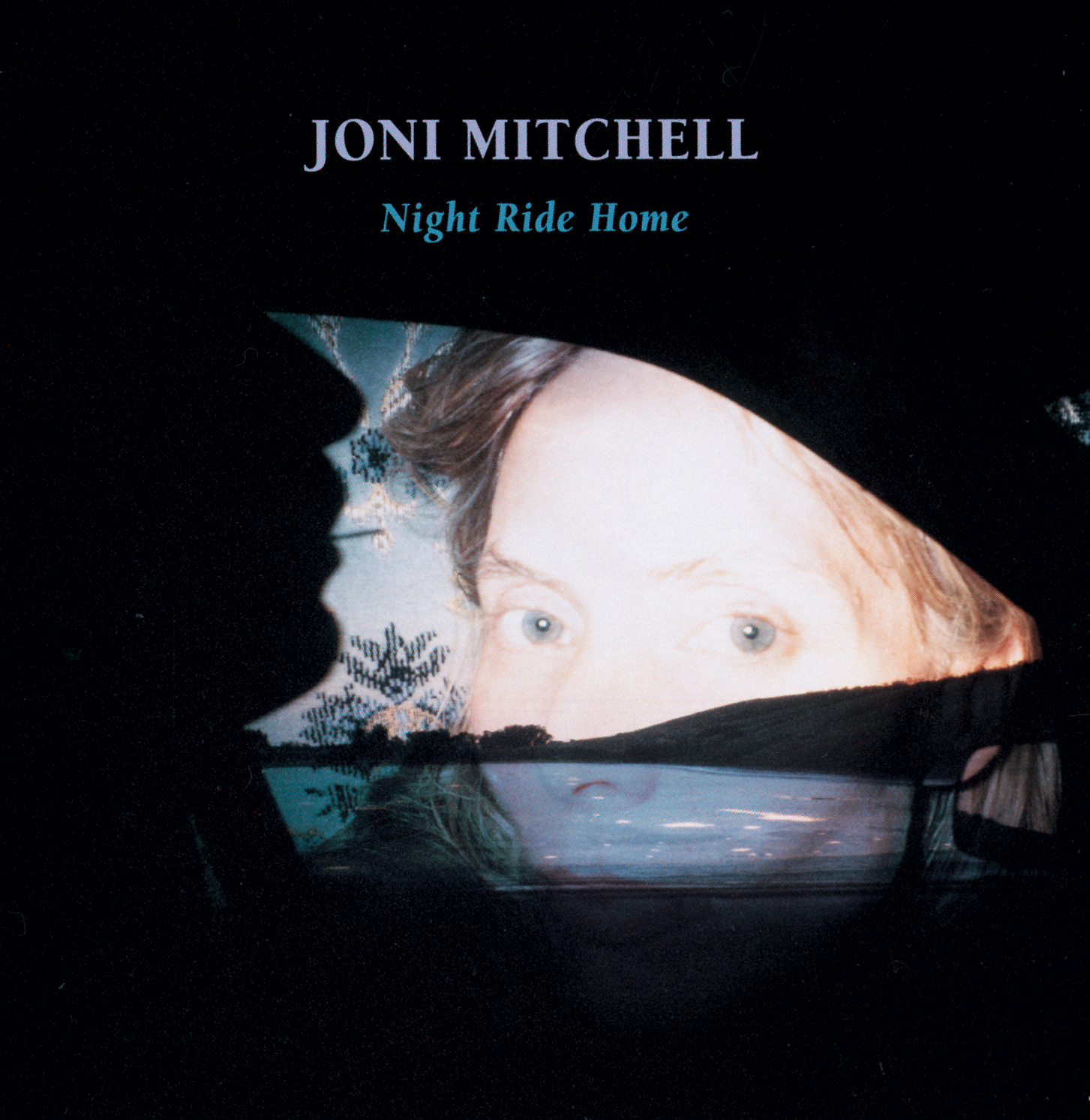
7. Night Ride Home (1991)
Night Ride Home is Joni and Larry at their best. Many of Joni’s albums are very timeless, and one of the strengths of this record is that it sounds like 1991. One of my favorite Joni songs lives on this album - Nothing Can Be Done - whose lines “Must I surrender with grace? The things I loved when I was younger” are delivered with a kind of offhand intimacy that only deepens their impact. Joni teeters the line seamlessly between her past and future persona on this record, and it’s one I never seem to exhaust.
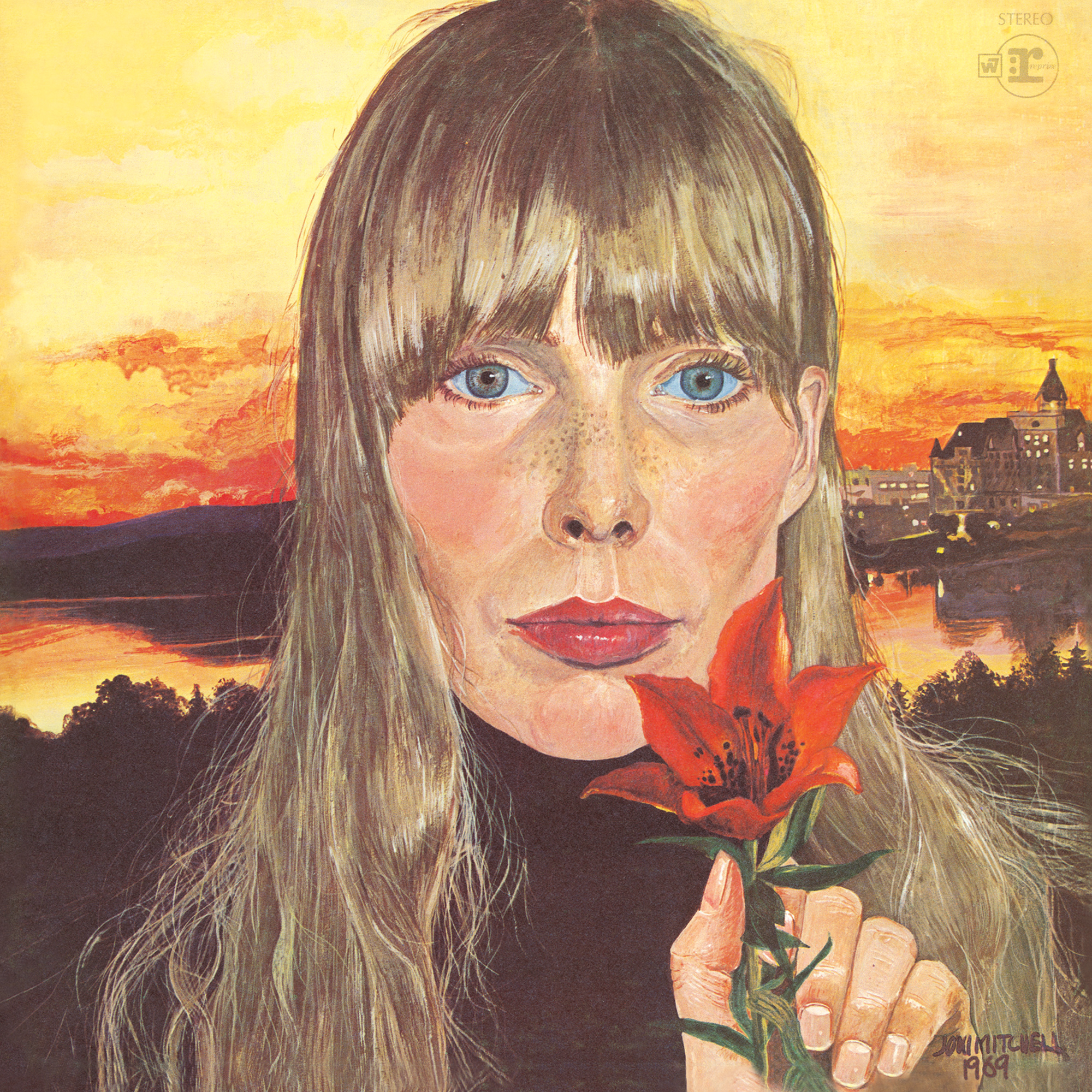
6. Clouds (1969)
Figuring out where to put Clouds on this list was a placement I struggled with, as some of my very favorite Joni songs are on this album, alongside a few that have never fully resonated with me. That Song About The Midway, I Don’t Know Where I Stand and Both Sides Now rank among her finest lyrical and vocal achievements. While Clouds may not be perfectly cohesive, it does capture Joni as she discovers her voice as a writer and performer. When it lands, it lands with extraordinary grace.
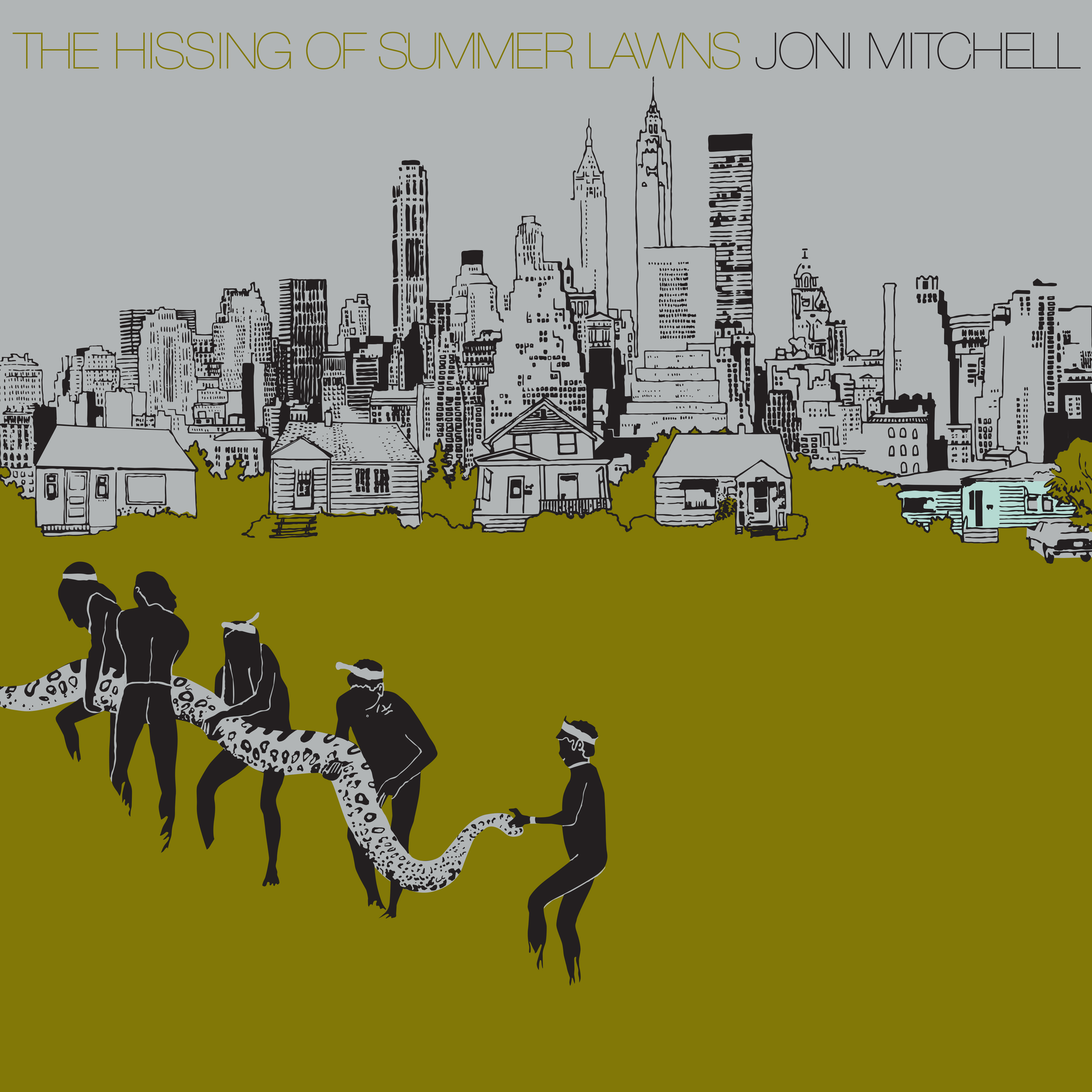
5. The Hissing of Summer Lawns (1975)
Prince once said this was his favorite album of all time, and I understand why. There is constant sonic motion throughout the album; the kind that reveals a new focal point with every listen, whether in its rhythmic details, harmonic shifts, lyrical turns… It’s also a record that marks Joni as a trailblazer. The Jungle Line in particular is credited as the first popular song to use a sample.
Hissing was initially met with significant criticism upon its release, but time has been kind with it, allowing listeners to understand just how ambitious and fantastic it really is. I’m proud to say I’ve always loved this record.
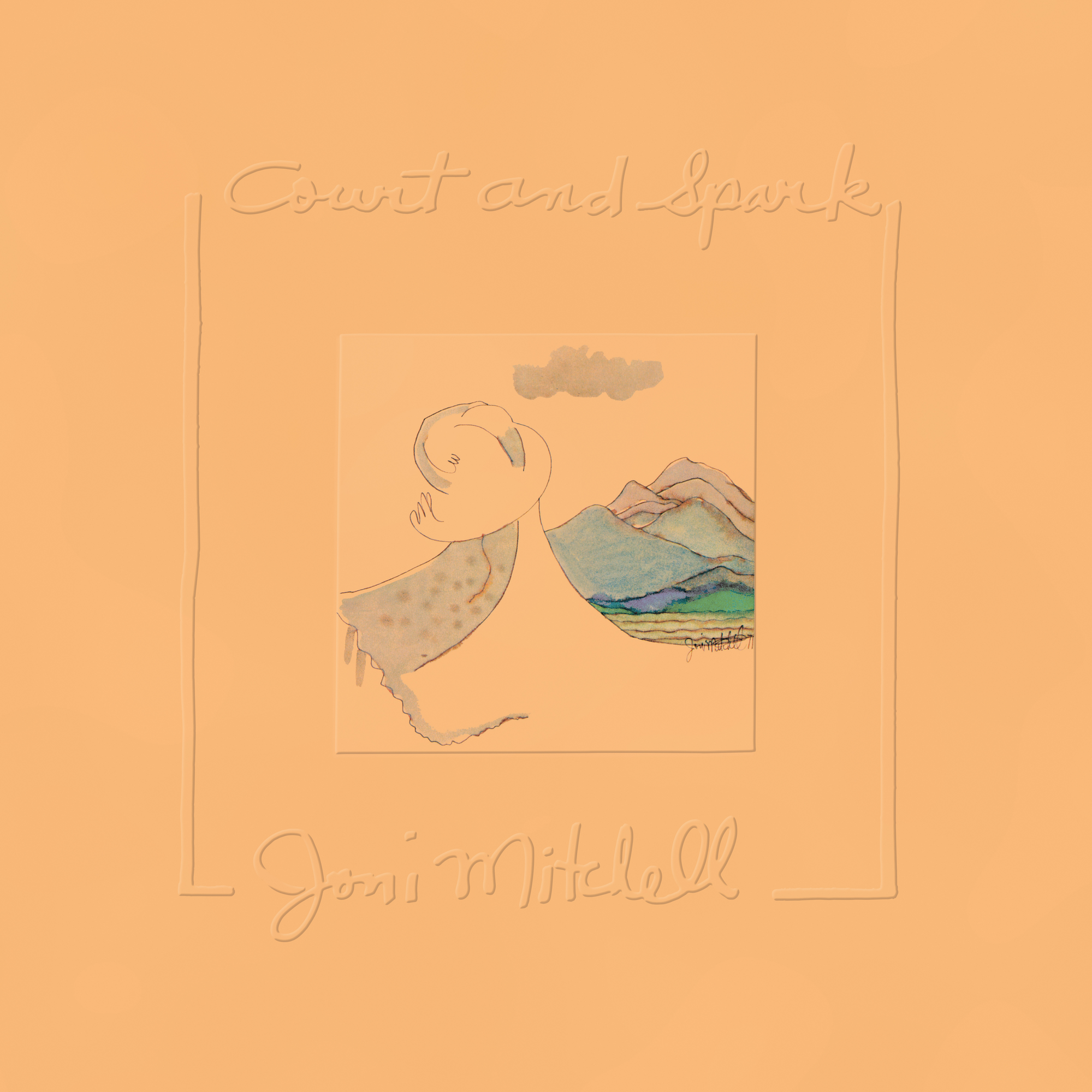
4. Court and Spark (1974)
After the success of Blue and the quiet of For the Roses, David Geffen encouraged Joni to try something bigger and something new. There was naturally some resentment on Joni’s side from this request (Free Man in Paris), but in the end she turned in her most commercially successful record to date, as well as one of her most cohesive.
I get chills every time I listen to People’s Parties fade seamlessly into The Same Situation. It’s the kind of sequencing that reminds you why albums were meant to be experienced from start to finish. The record sits in a fascinating middle ground that bridges her experimental textures heard in later projects with the same intimacy found on her early records. It is a testament to how Joni makes even the most complex pieces of art sound effortless.
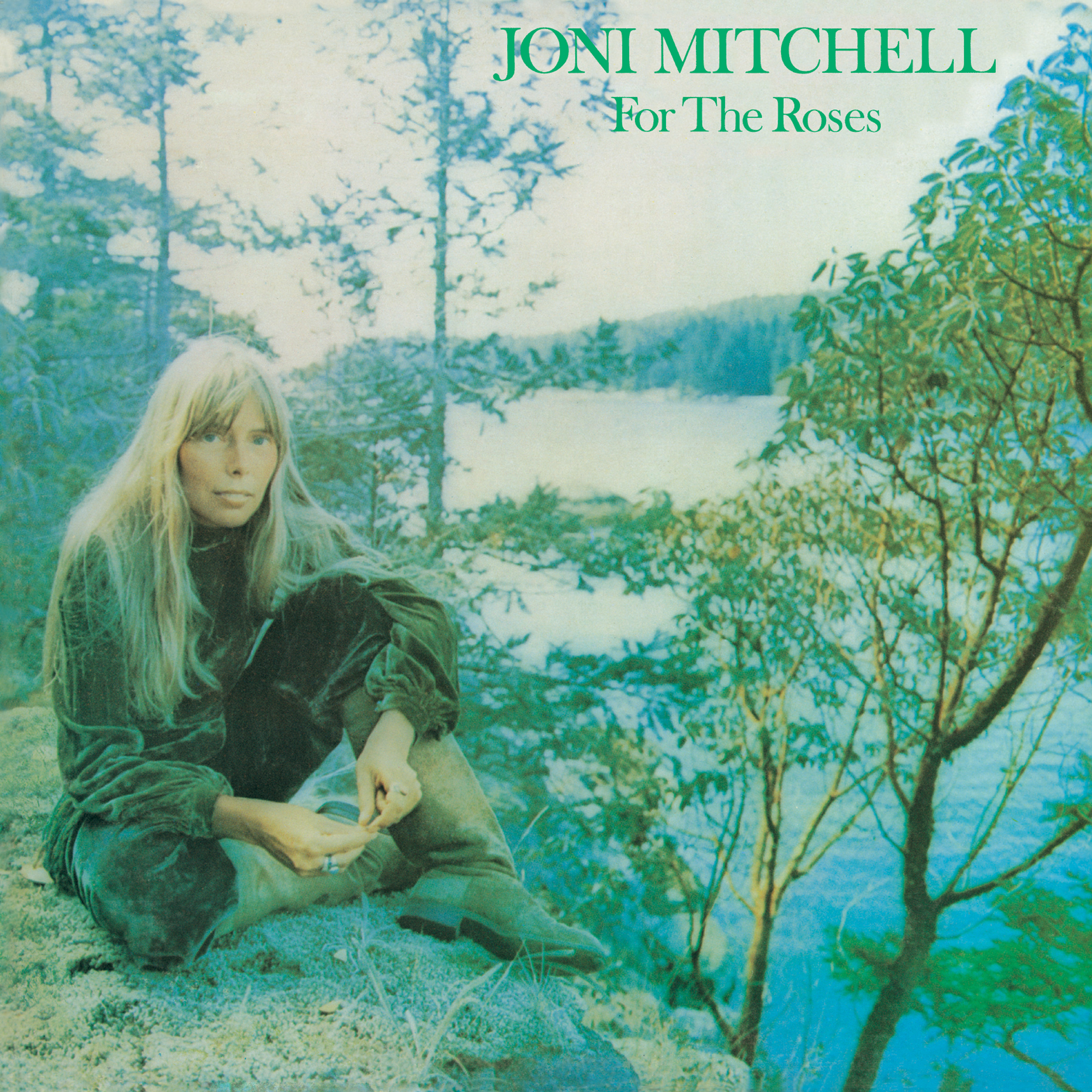
3. For the Roses (1972)
A desert island album for me is For the Roses. It is, simply, a perfect album, with some of Joni’s most ambitious lyrics and production choices, and I believe it to be criminally underrated. At its core, the album is about the power of seduction in all of its different forms. There’s the prowess of record label executives (Banquet), love derailed by addiction (Cold Blue Steel and Sweet Fire), the push and pull of societal desires (Let The Wind Carry Me, Woman of Heart and Mind), and the magnetic, dangerous allure of rock and roll men (Blonde in the Bleachers), and that’s just scratching the surface.
Blonde In The Bleachers is to me a blueprint for every woman singer-songwriter who came after Joni. The way the drums enter on the second verse, the swell of harmonies, the lyrical economy…. These words and cautionary tales have been echoed in countless records since. Joni warns, “you can’t hold the hand of a rock and roll man very long”. And yet, she repeats her own history time and time again. She is an architect of words seeking out other architects and will continue to do so by choice. There is true bravery in that, in both the music and storytelling. For the Roses is a fearless reckoning with desire and the consequences of such, and will probably remain my personal favorite for years to come.
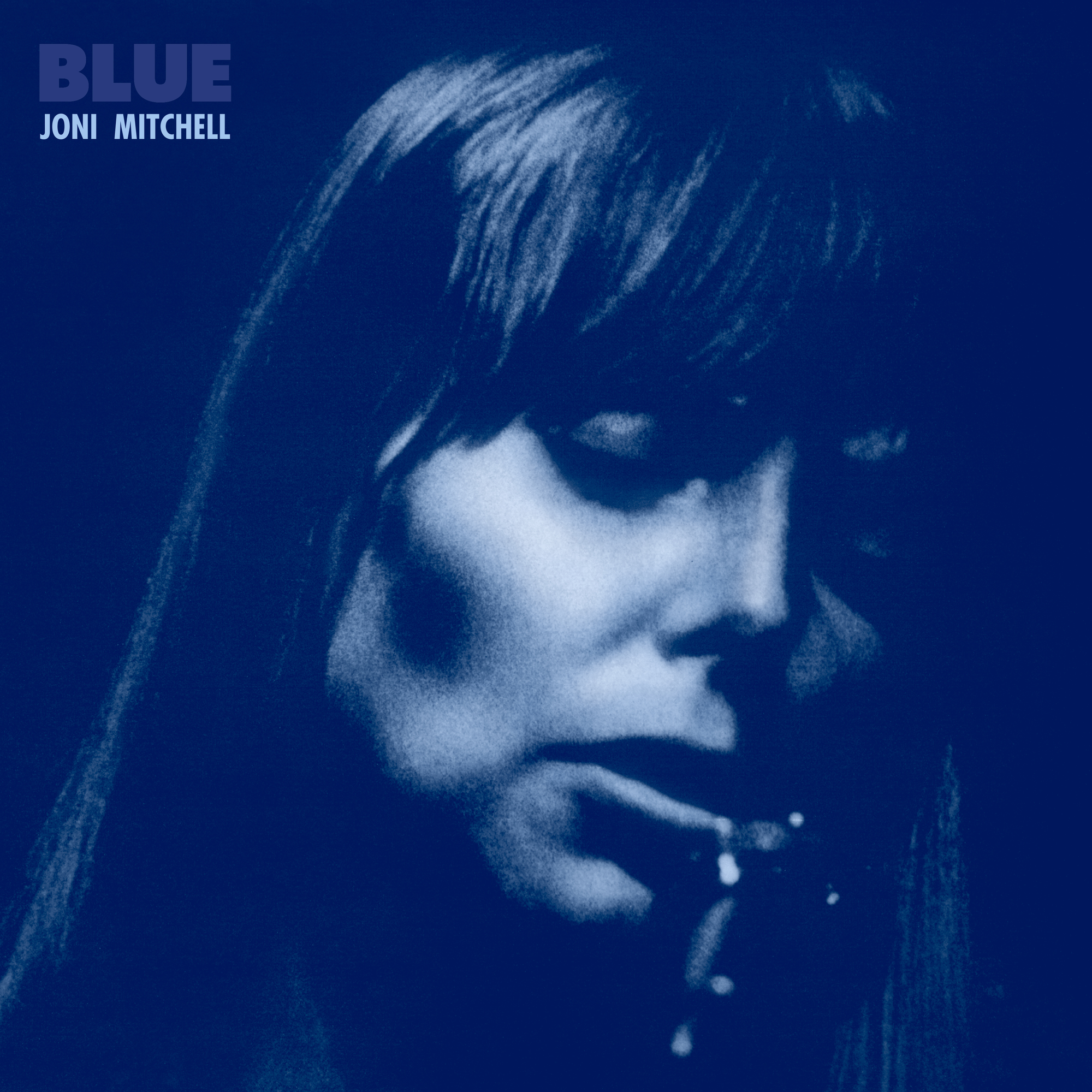
2. Blue (1971)
Her most famous and her most celebrated, and there is a reason for that. While some fans would say that Blue is the most regarded because of its accessibility, I think that accessibility can be a true superpower. It’s emotionally intellectual, but not too much so that a new listener would be turned off- and what a track list.
Little Green to River to California to A Case of You; four standards in Joni’s discography. Besides A Case of You, which will always be a special song for my family, my personal favorite moment is album closer The Last Time I Saw Richard, which tells a story that kill me every time: “Richard got married to a figure skater/And he bought her a dishwasher and a coffee percolator/And he drinks at home now most nights with the TV on/And all the house lights left up bright”. She is able to convey so much in those lyrics and it’s a gut punch every time.
"It is one of those albums that will change your life if you let it. I know it has changed mine."
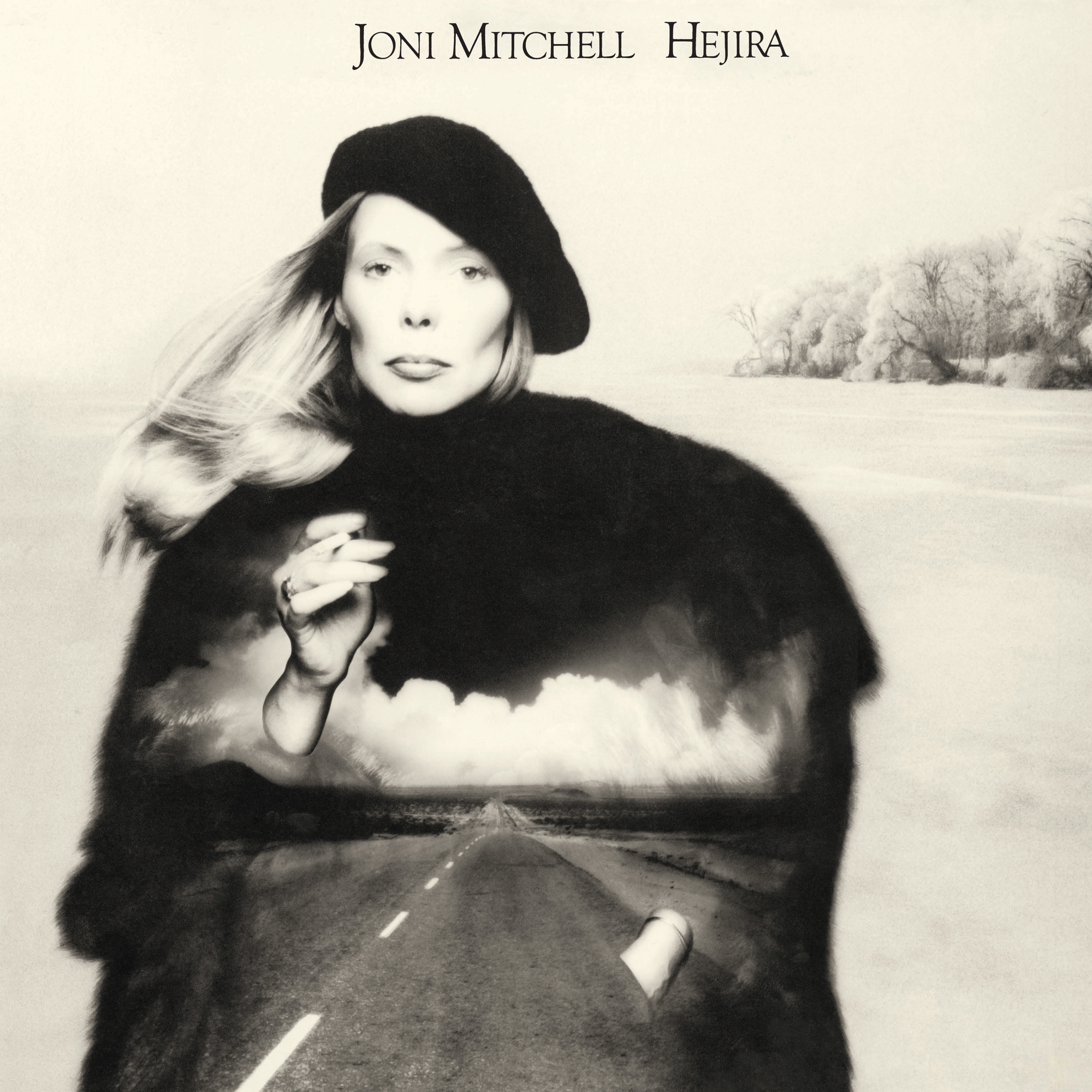
1. Hejira (1976)
Hejira marks the beginning of Joni’s reinvention from folk musician to jazz musician, or in other words, marks Joni’s departure from the Cactus Tree Hotel to the Mingus Motel. Forgetting how brilliant the sonics are on this album, (and that is the word I’d use: brilliant) the lyrics are otherworldly. Amelia is one of the last songs in Joni’s catalog that sounds like a diary entry; perhaps because she said everything she needed to in it. Then there is Song for Sharon which has the best opening line maybe ever: “I went to Staten Island, Sharon, to buy myself a mandolin.”
You find yourself hanging on every word, wondering just how Joni will tie up every story in a deeply interesting arrangement. It is one of those albums that will change your life if you let it. I know it has changed mine.