
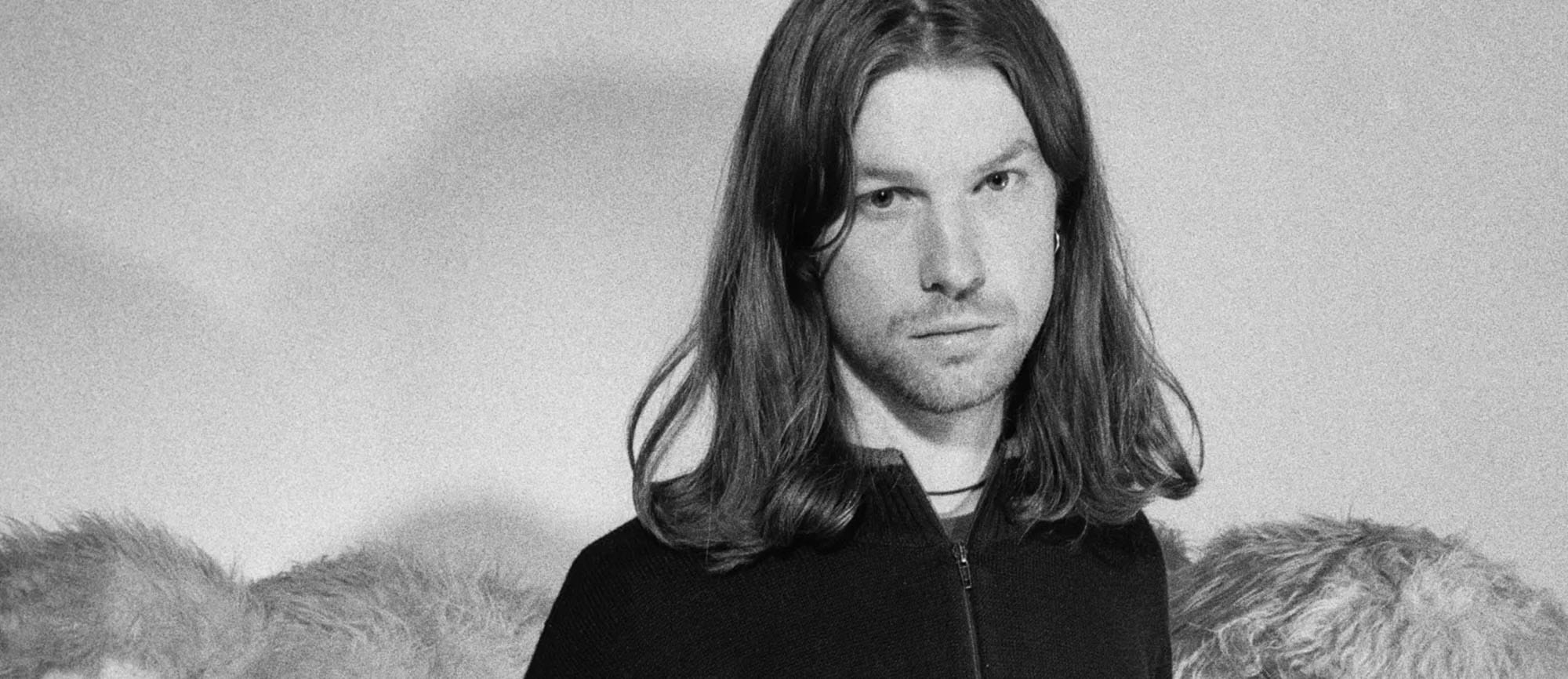
"The holy grail for a music fan, I think, is to hear music from another planet, which has not been influenced by us whatsoever. Or, even better, from lots of different planets."
Richard D. James, aka Aphex Twin, Pitchfork, 2014.
From the late 1970s onward, ambient music has quietly built a reputation as music designed not to dominate a space, but to transform it with otherworldly qualities.
Early pioneer Brian Eno set a precedent with Music for Airports, music designed for a real-world environment — genuine, pure, and achingly beautiful. In 1980, The Durutti Column translated ambient ideas into a post-punk context, showing how texture and melody could coexist in a new, cinematic way. In 1982, Vangelis’s score for Blade Runner set the tone for ambient electronic music to dominate at the movies. By 1990, The KLF’s Chill Out expanded ambient into a surreal sonic journey, while Aphex Twin’s Selected Ambient Works proved electronic minimalism could be both intimate and expansive.
Today, artists like Max Richter, Daniel Rosenfeld and Nala Sinephro continue pushing the form outward, blending ambient electronics and meditative sound into transportive soundtracks. For the 98th Academy Awards 2026, (The Oscars), the nominees for Best Original Score feature Max Richter (Hamnet) and Jonny Greenwood (One Battle After Another), Jerskin Fendrix (Bugonia) Alexandre Desplat (Frankenstein), composers known for their ambient, minimalist, and contemporary classical styles.
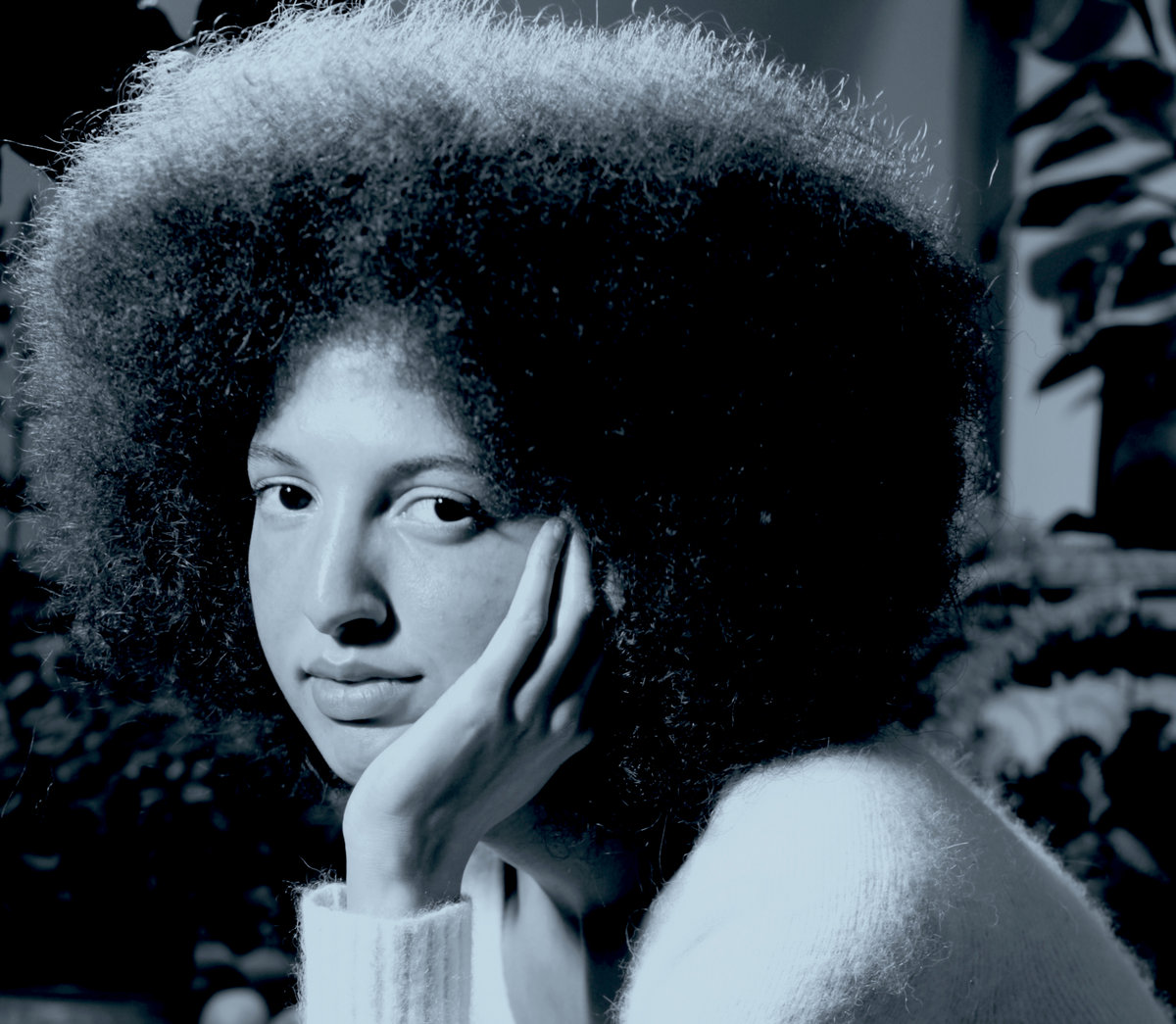
A powerful and subtle storyteller, ambient music is a philosophy of listening which continues to deeply influence all areas of modern composition. From record stores to cinemas, we explore its the enduring influence of ambient on popular culture.
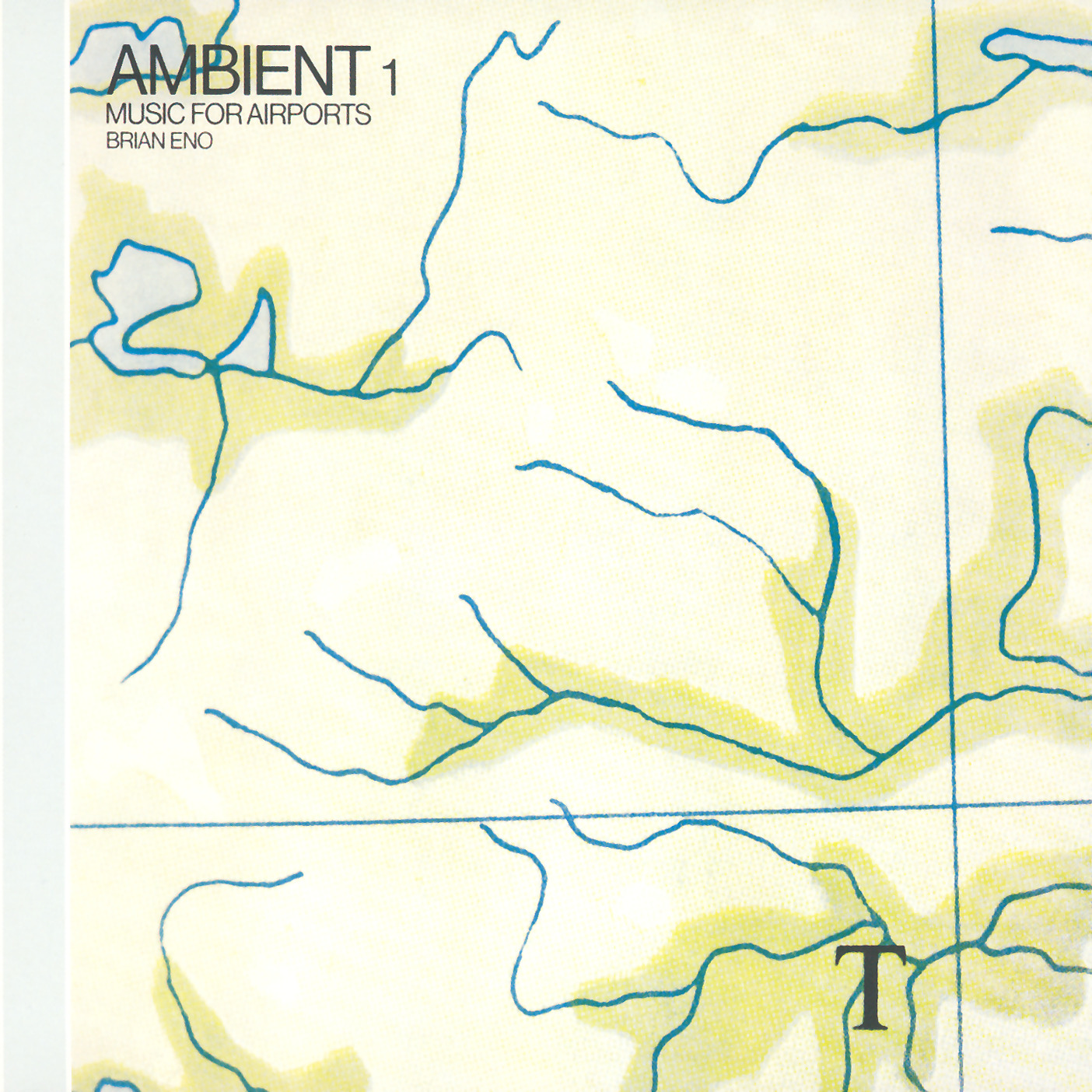
Brian Eno – Music for Airports (1979)
An album which really launched the genre. Music for Airports was made with a mission in mind, as Brian Eno set out to create something calming for hectic, complex world of the airport, where he found the type of music played in these settings did nothing for his flying anxieties. Its looping piano, voices, and tape treatments did just this, creating a calm, open sonic space which has since influenced film composers as to how minimal textures can quietly guide emotion and environment.
According to the record’s liner notes Eno details:
"This music would be “as ignorable as it is interesting,” ultimately neutralizing the chaotic and tense microcosm that is an airline terminal, or as I like to call it, hell on earth."
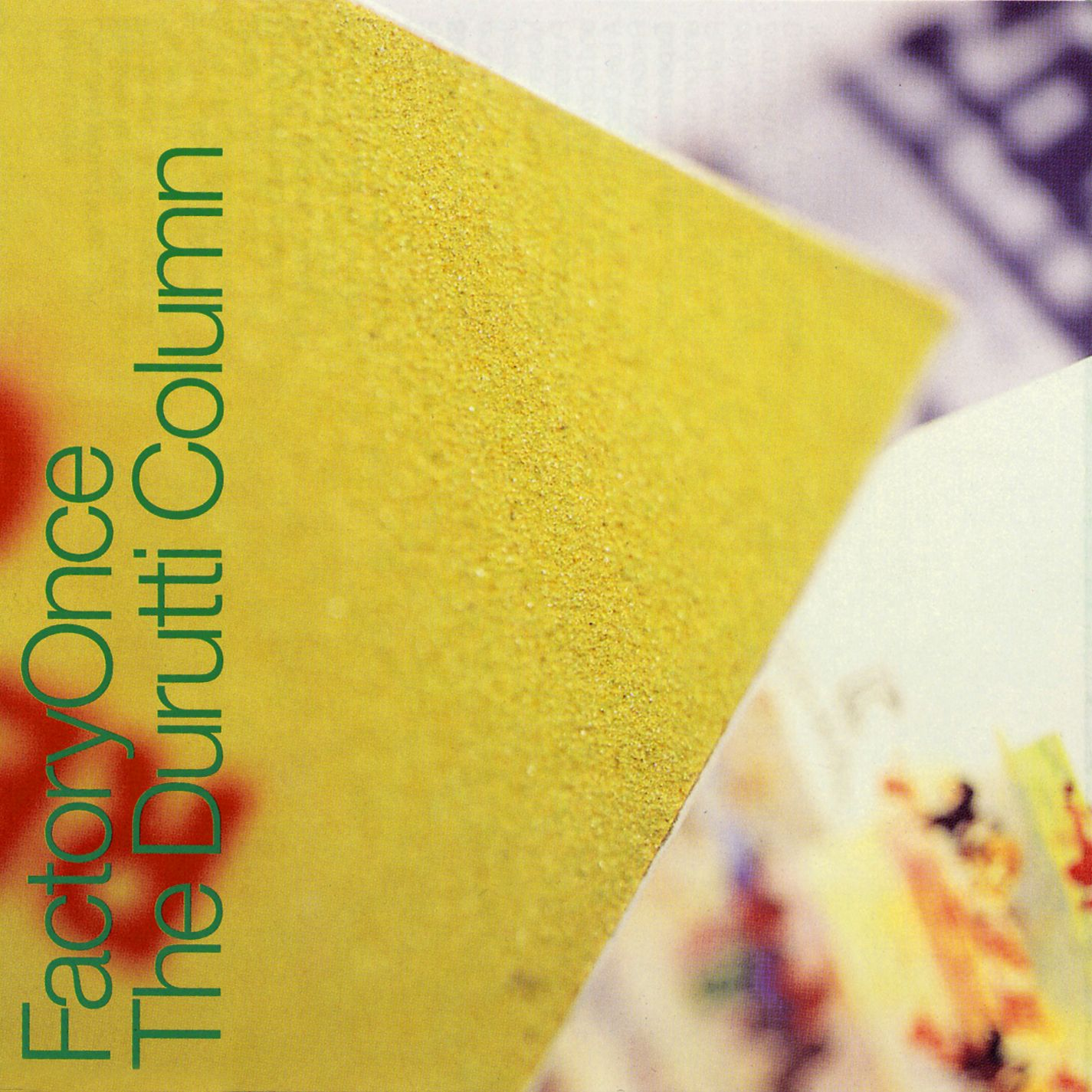
Durutti Column – The Return Of the Durutti Column (1980)
Although in no way a typical 'ambient' album, The Return of the Durutti Column blended fragile guitar, echo, and sparse production to create an introspective ambience. Vini Reilly’s melodic playing feels cinematic and reflective, an atmospheric minimalism which has influenced ambient guitar music, hitting a unique sweet-spot between genres: post-punk and ambient. The Return of the Durutti Column remains one of the most quietly influential records in the canon, a still sought-after pressing over 45 years from it's release. We celebrated the timeless 1980's debut in our Compilations and Reissues of the Year 2025 list, reminder that Manchester’s most radical act might always have been its most minimalist.
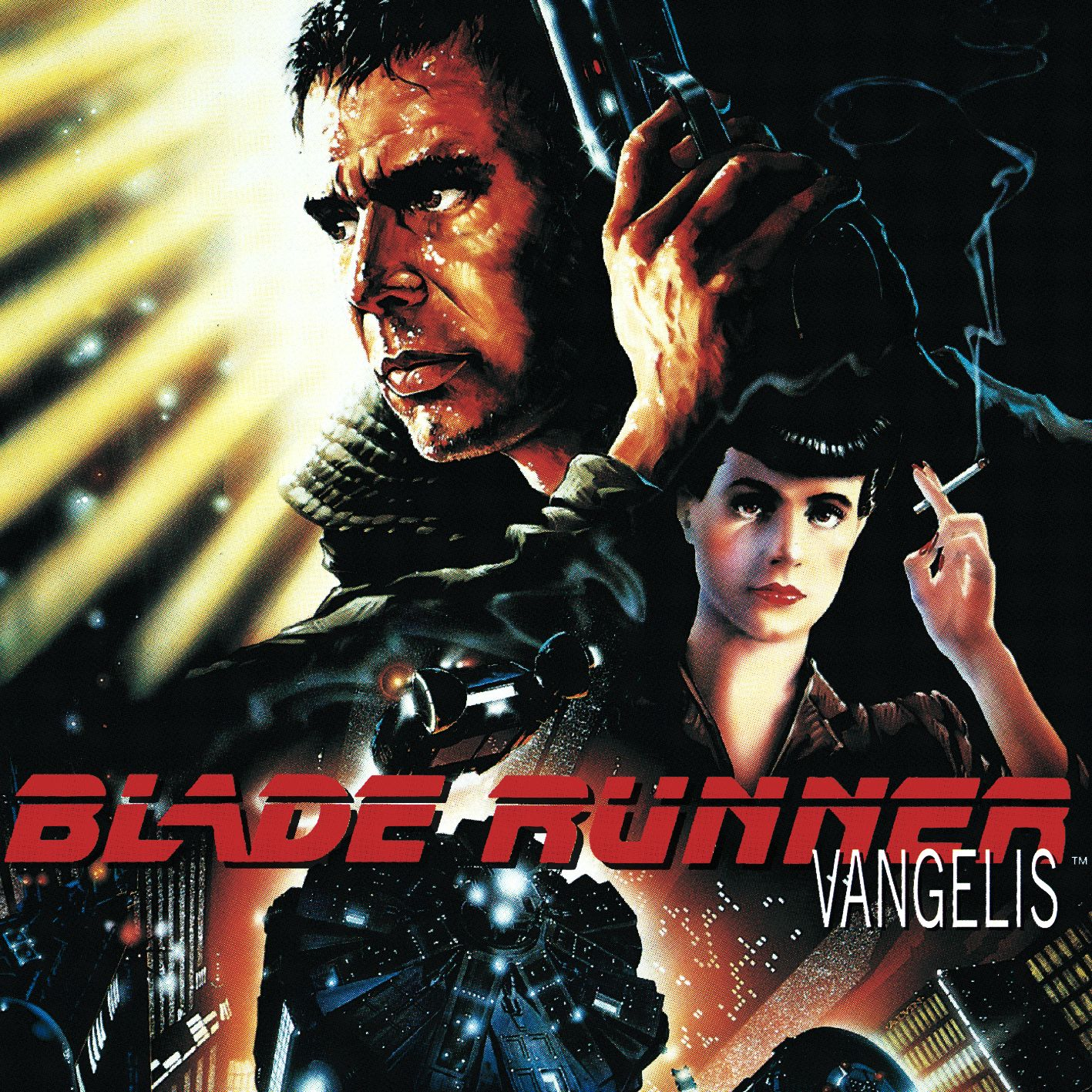
Vangelis - Blade Runner (1982)
Created for sci-fi noir Blade Runner, Vangelis fused analogue synthesisers with jazz and futuristic machine noise to craft synthesiser-driven ambient electronic music. The score shaped the sonic identity of science-fiction cinema, its slow harmonic movement and synth-soaked melodies influencing decades of ambient, synthwave and cinematic electronic music to come. There are various examples of where Vangelis set the standard, Cliff Martinez's 2011 film Drive features neon-soaked synthesiser textures reminiscent of Blade Runner's atmosphere or the Stranger Things series soundtrack heavily borrows from the 80s analogue synth sound popularised by Vangelis and Tangerine Dream. The pinnacle of electronic ambient music.
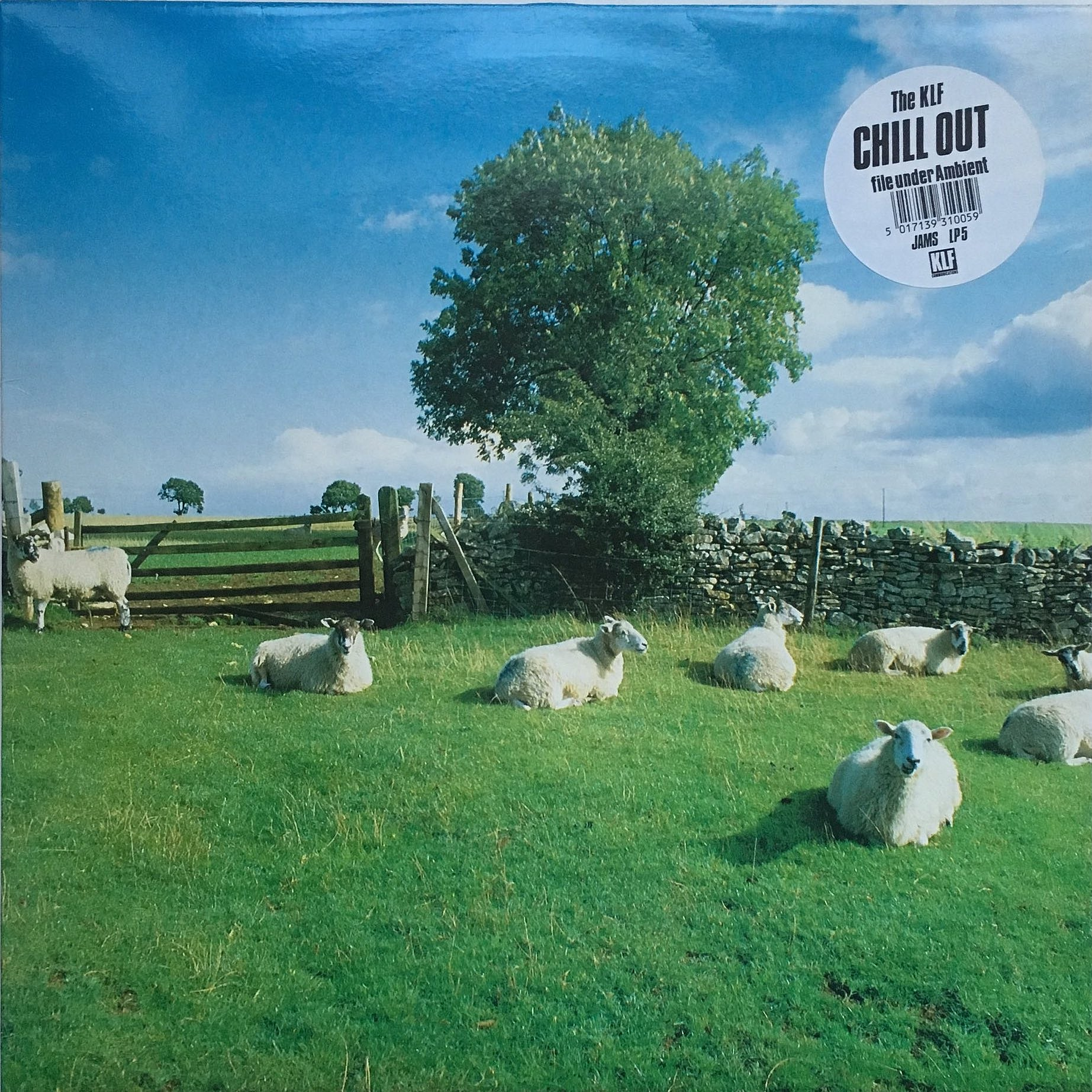
The KLF – Chill Out (1990)
The KLF defined ambient house through a continuous sonic journey built from field recordings, drones, and gentle beats. Structured like a nighttime road trip, Chill Out influenced the idea of narrative ambient albums by showing how environmental sounds and atmosphere can tell stories without traditional song structures. Chill Out was pioneering in approach, not only becoming a cornerstone for modern ambient and cinematic electronic sound but also the step towards an 'ambient-house genre' which would slowly morph into a more 'rave-centric scene' in the UK. Artists like 808 State, The Prodigy, and Irresistible Force are known to have been directly inspired by Chill Out.
Aphex Twin – Selected Ambient Works 85–92 (1992) and Selected Ambient Works Volume II (1994)
Selected Ambient Works 85–92 by Aphex Twin twisted ambient textures with subtle rhythms, bridging club culture and atmospheric listening. It perfectly balanced Brian Eno-style ambient with the growing techno scene, acting as a crucial bridge between electronic experimentation and broader alternative audiences.
SAW II is often regarded as a more challenging presentation of ambient music, a slower and colder pace focusing on soundscapes, drones, and unsettling textures versus more danceable beats and melodies of Selected Ambient Works 85–92, for example, tracks like Xtal.
Today, Aphex Twin’s back catalogue is having a resurgence through Gen Z, who have become acquainted with the ambient techno cuts via video memes and TikTok, culminating in a total renaissance of Aphex Twin in popular culture, from online soundtracks to real life, in bookstores or shops. Recently, in our independent music world, R&S Records founders Renaat & Sabine were awarded a long-overdue disc award in recognition of 60’000+ sales of Selected Ambient Works 85-92.
"The holy grail for a music fan, I think, is to hear music from another planet, which has not been influenced by us whatsoever. Or, even better, from lots of different planets."
Richard D. James, aka Aphex Twin, Pitchfork, 2014

C418 – Minecraft: Volume Alpha
C418, aka Daniel Rosenfeld's Minecraft: Volume Alpha by introduced millions of young video game players to ambient music through Minecraft. Gentle piano motifs and airy synths create reflective emotional space while exploring the game’s world. Its understated, atmospheric style demonstrates how ambient music can shape immersive environments similarly to film scores. This album is known to have been asked about when playing on our shopfloors, a bestseller amongst gamers and new music seekers.
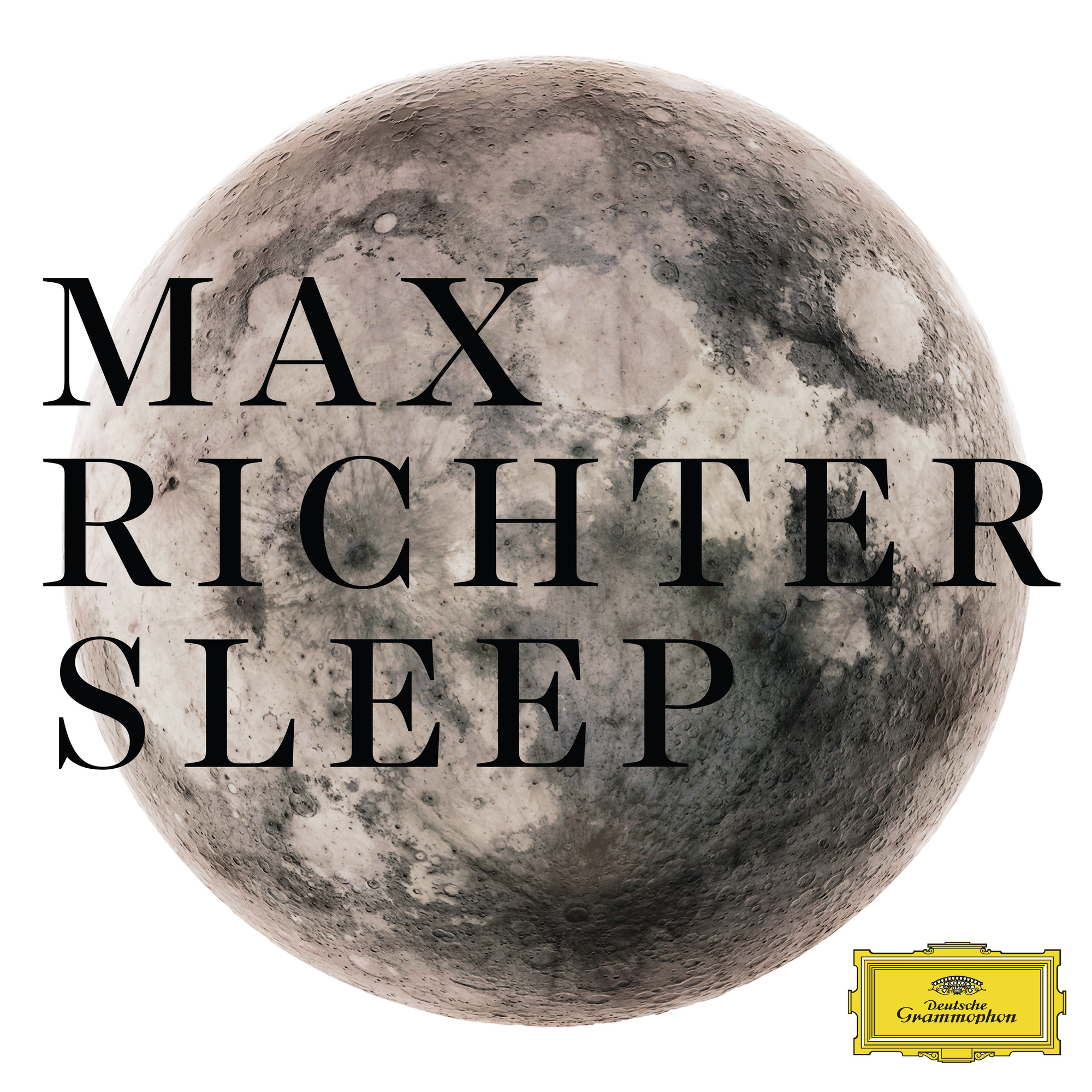
Max Richter – Sleep (2015)
A meeting of classical instrumentation with electronics, Richter explores music as environment and experience with this eight-hour ambient composition designed to accompany human sleep cycles. Often regarded as Richter's magnum opus, SLEEP has been presented in cinemas as an immersive, 90-minute audio-visual experience, featuring 360-degree sound and calming visuals.
In 2026, Max Richter showcases his trademark skill for building slow harmonic movement, approaching the film scoring of Hamnet by emphasising long-form atmosphere, ambient sounds of nature, birds and bees balanced with emotional restraint.
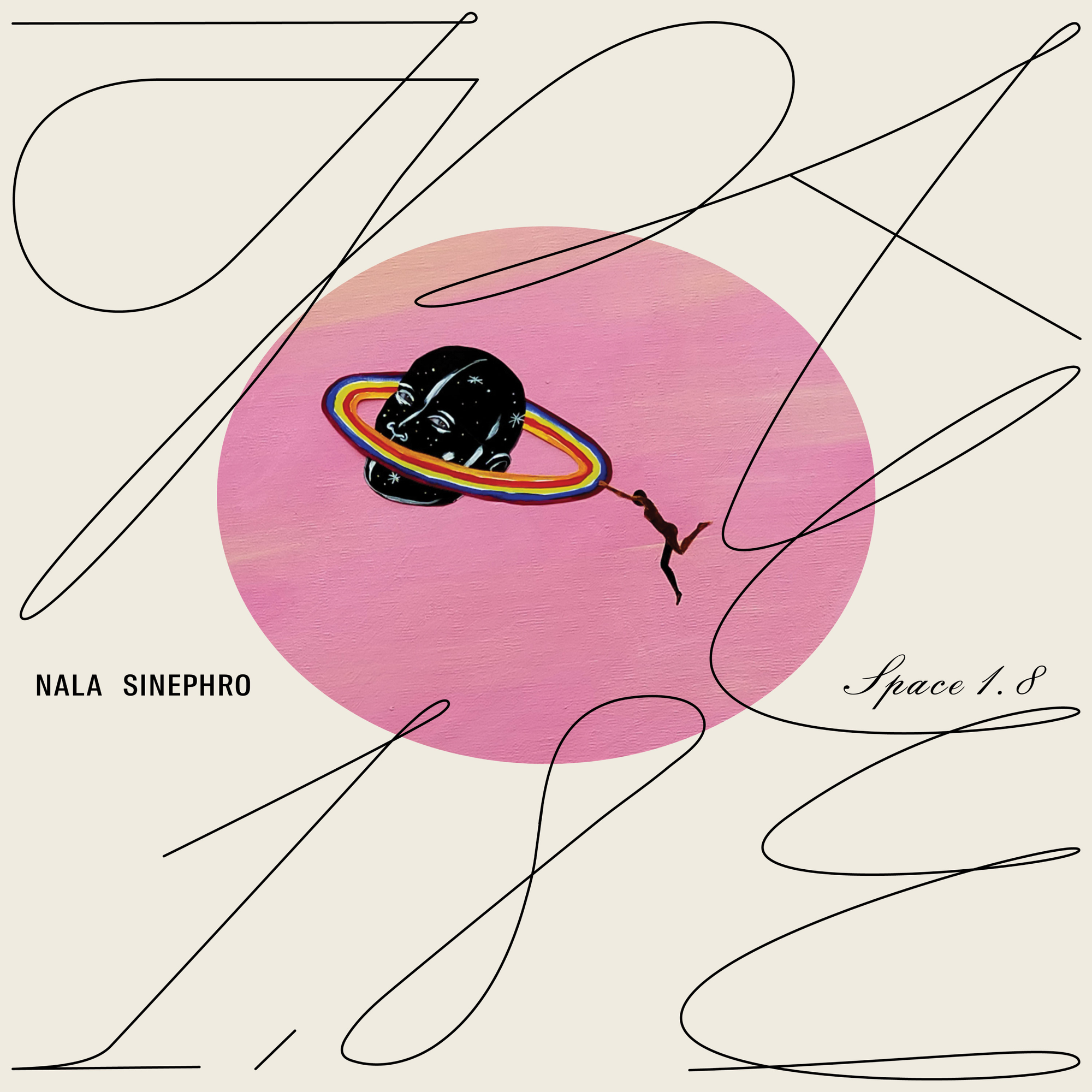
Nala Sinephro – Space 1.8
Ambient electronics, modular synths, and spiritual jazz improvisation. Nala Sinephro's music has qualities reminiscent of great bandleader Sun Ra, weightless music, transcendent, meditational, a dreamy ambience which mixes traditional elements with the avant-garde, fusing minimalistic drone-y sounds. A24's The Smashing Machine is scored by Nala's muted, breathy, and beautiful jazz saxophone, expanding her scope from the inward journey of Space 1.8 into widescreen orchestral ambient jazz compositions. One of the most distinctive and powerful aspects of this moving biopic.
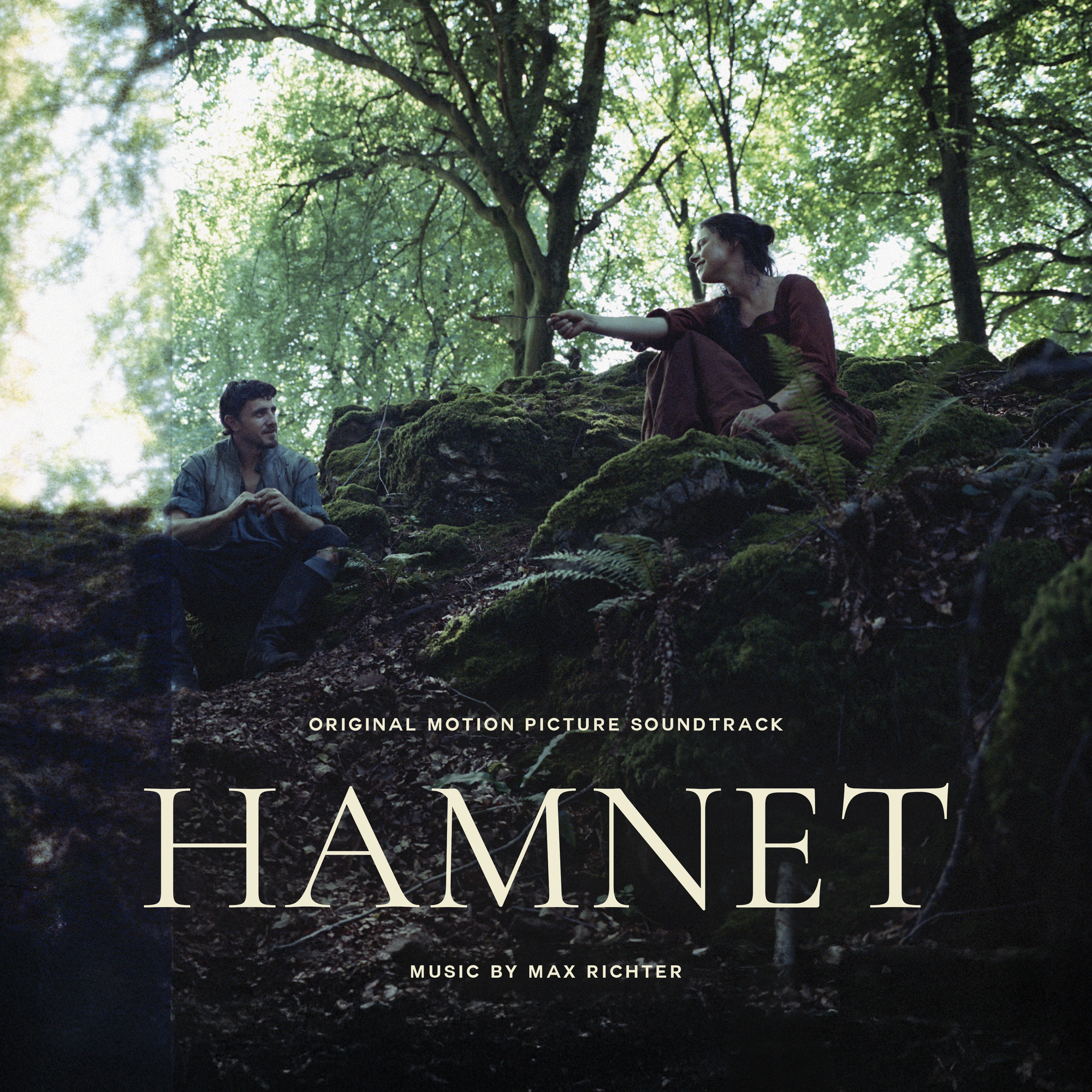
Max Richter - Hamnet (2026)
Max Richter's Hamnet draws on modern ambient scoring traditions to evoke intimacy, grief, and historical atmosphere. This soundtrack continues Richter's reputation as a composer who values minimalism and the ambient-cinema lineage, where subtle drones and evolving texture unfold the narrative. A worthy nomination for the Best Original Score win at the Oscars 2026.
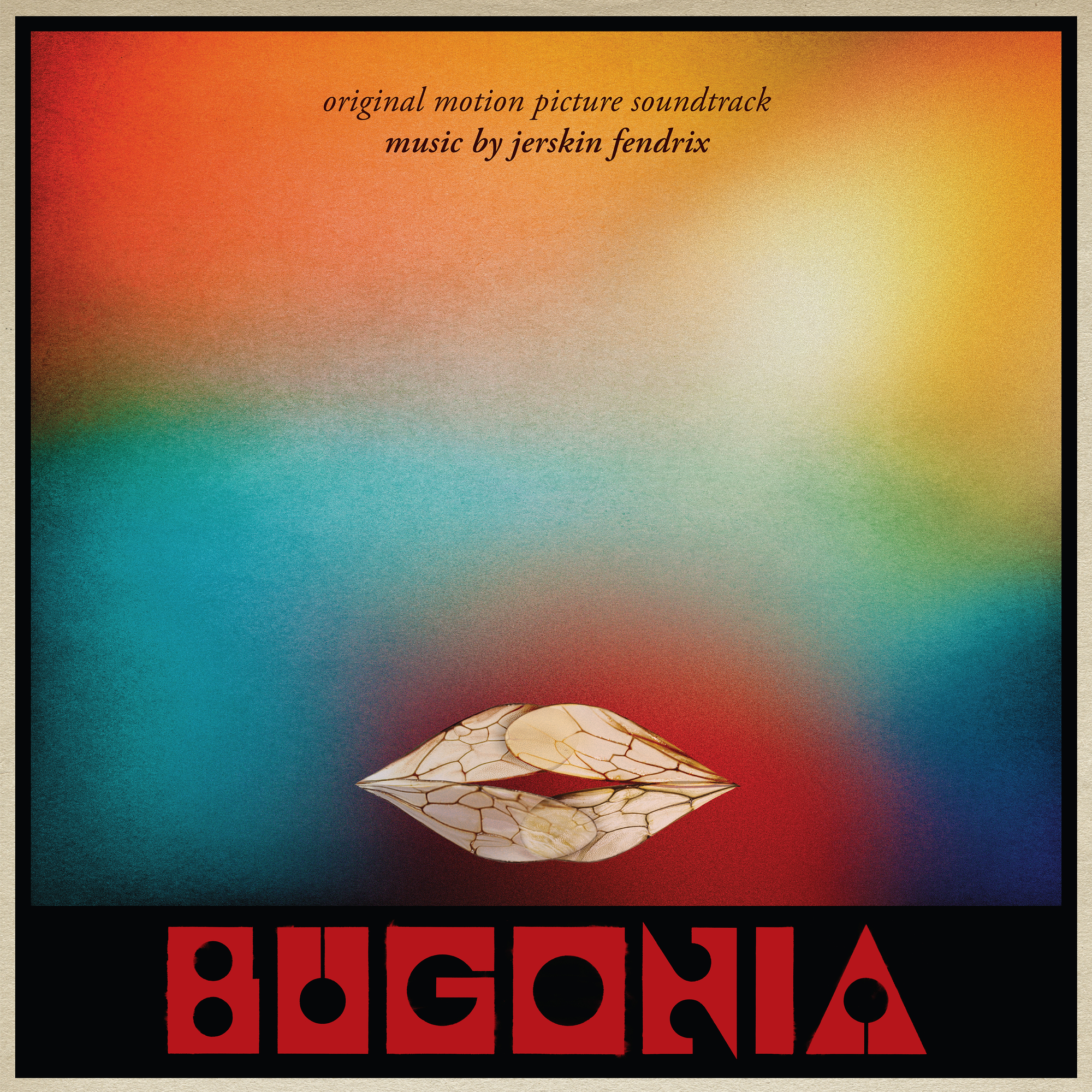
Jerskin Fendrix - Bugonia (2026)
Instead of a dramatic orchestral reveal, Bugonia's spaceship scenes use quiet, ambient synthesisers that feel peaceful but strange. Textural ambient layers and drone to mirror the character's unstable mental state and build tension, with an overall subtle sound design which feels mysterious and otherworldly. Fendrix also borrows from the ambient playbook of using environmental sounds, as the film’s bee imagery becomes part of the ambient soundscape using real bee recordings, tuned so their buzzing matches the musical pitch of the score, sound design and music melding into one single atmosphere.
“For Bugonia, Yorgos did not allow me to see the script, or know anything about the film apart from the three words ‘Bees,’ ‘Basement’ & ‘Spaceship”
Jerskin Fendrix
Further ambient explorations for your listening orbit...
The Orb's U.F.Orb is a landmark ambient-house album, a hypnotic concoction of dub bass and spacey soundscape.
One of the purest ambient records ever made, Steve Roach's Structures from Silence allows slow synth drones to unfold gently over long durations, creating a deep sense of stillness and contemplation.
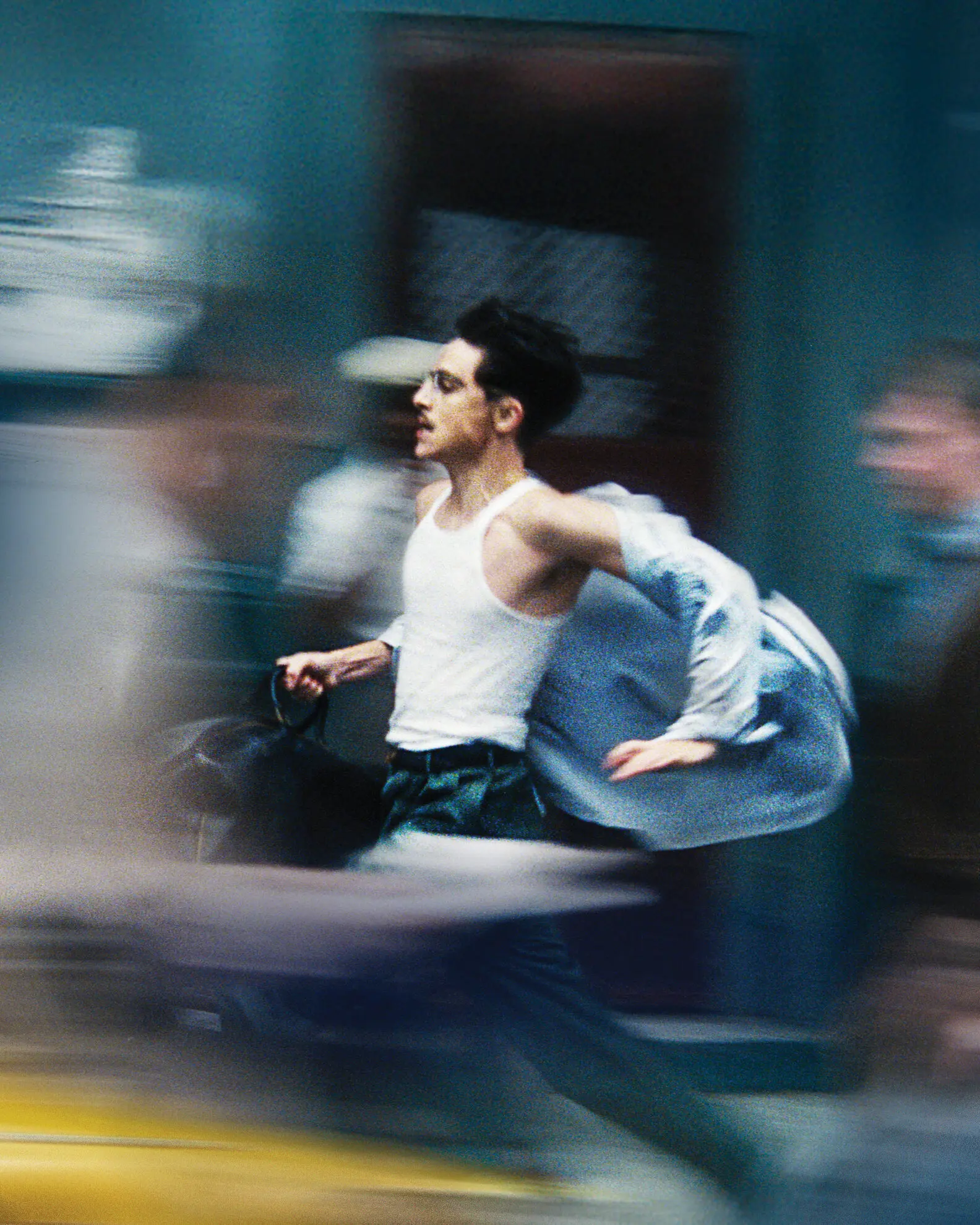
Oneohtrix Point Never aka Daniel Lopatin, layers nostalgic synth textures with ambient washes on the score for acclaimed A24 film Marty Supreme, simulating the kinetic energy of ping pong.
A pioneering Berlin-school electronic album, Tangerine Dream's Phaedra's evolving sequencer patterns and drifting synth textures define the meditative and cosmic side of ambient electronic music.
Alexandre Desplat's Frankenstein score works around a subtle orchestral ambience evoking melancholy and mystery.
A warm, whimsical Moog-synth album designed for plants and plant lovers, Mort Garson's Mother Earth's Plantasia introduced the idea of life-affirming ambience for early electronic music.