
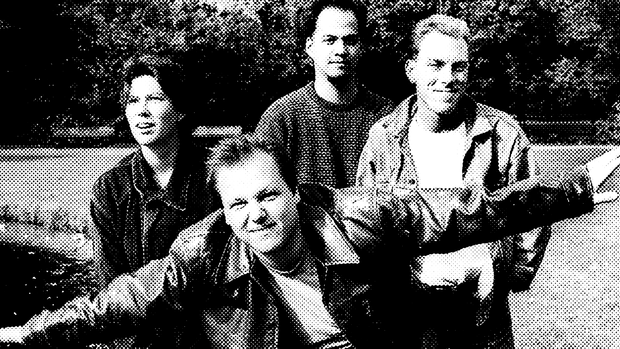
"Somehow, for a brief yet magical moment in the late eighties/early nineties, they helped set the stage for what we now think of as “alternative rock”.
In 2026, the Pixies celebrate 40 years as a band, embarking on an extensive "Pixies 40" worldwide tour, featuring founding members Black Francis, Joey Santiago and David Lovering, alongside bassist Emma Richardson. The band also release Complete B-Sides: 1988-97, a remastered compilation of the band’s timeless “other”, the first time the release has been officially pressed on vinyl.
In celebration of the band's big milestone, Rough Trade's Jacob Fish, a former Boston resident, reflects on his long-term love for the Boston-hailing band with a personal ranking of their revered studio albums.
Words by Jacob Fish
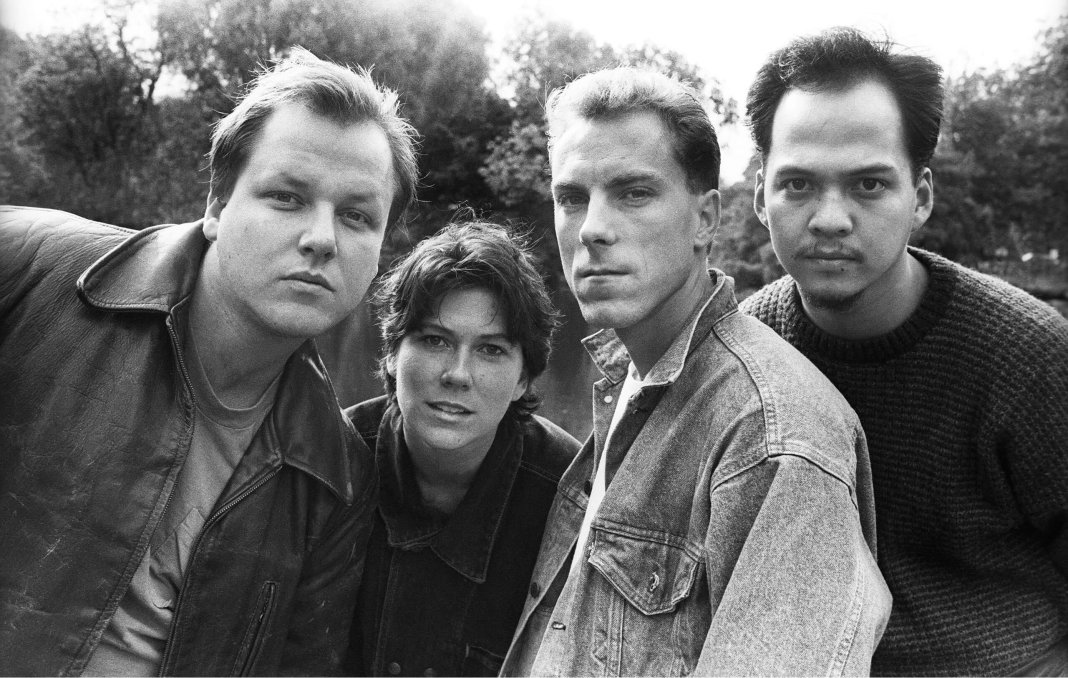
Pixies were four very different people, who came together due to their shared love of bands and wanting to be in a band. In fact, Kim Deal became the band’s bassist after answering an ad wanting someone who is into both Hüsker Dü and Peter, Paul, and Mary… also “no chops please”. They cared less about musical merit than the type of person they wanted to work with. The four-piece hailing from Boston, Massachusetts, fronted by singer Charles Michael Kittridge Thompson IV (professionally Black Francis) and dutifully anchored by bassist-vocalist Kim Deal, took form in 1986 at the University of Massachusetts Amherst, and somehow, for a brief yet magical moment in the late eighties/early nineties, they helped set the stage for what we now think of as “alternative rock”. In fact, you have Pixies to thank (or blame) for the fractious nature of most bands throughout the long and angsty nineties. From their first EP, Come on Pilgrim, to 1991’s Trompe le Monde, the Pixies chugged along at an alarming rate, rising from underground obscurity to mainstream chart success while still keeping their surreal and relentless style. Mounting intra-band tension combined with money trouble led Black Francis to break up the band (via fax!). Their reputation steadily grew in their absence, influencing bands from PJ Harvey, Pavement, Weezer, and most notoriously Nirvana, who popularised the “quiet-loud” formula found throughout the band’s career. On a 2004 reunion tour, much to their shock, they had thousands of people singing along to songs they initially thought wouldn’t go anywhere near the level they did.
As someone who spent a major part of my life in Boston, I have a deep fondness for Pixies. One of my mentors, Sean Slade was an engineer and producer at Fort Apache Studios, where Pixies recorded many of their first demos as well as Come On Pilgrim. I have to admit that their first few releases were not accessible to me on first listen. What clicked for me was listening to their releases in chronological order. After hearing the wall-of-noise technique perfected by Steve Albini on Surfer Rosa, the moments of peace and carefully produced chaos, married with Black Francis’ surrealistic lyrics that arrived soon after on Doolittle, were made much more palatable. Naturally, I never had to confront their breakup because they had relaunched by the time I had started listening, so I was able to listen to each album more-or-less as they were released and therefore have had time to think about the cultural longevity and my overall thoughts on where I would rank each one. Doolittle, released in 1989, is probably their definitive album, but in this blog, I will be ranking all nine of their studio releases and analysing how each album holds up in 2026. Due to the departure of Kim Deal permanently in 1991, I have divided the ranking into two parts: the band’s original four-album run and the Pixies 2.0 post-reunion work.
"Also, by the way, is it the Pixies or just Pixies? Officially they are just Pixies, but considering a lot of early promotional material for the band said “The Pixies”, I’m inclined to believe that both are fine to use interchangeably!"
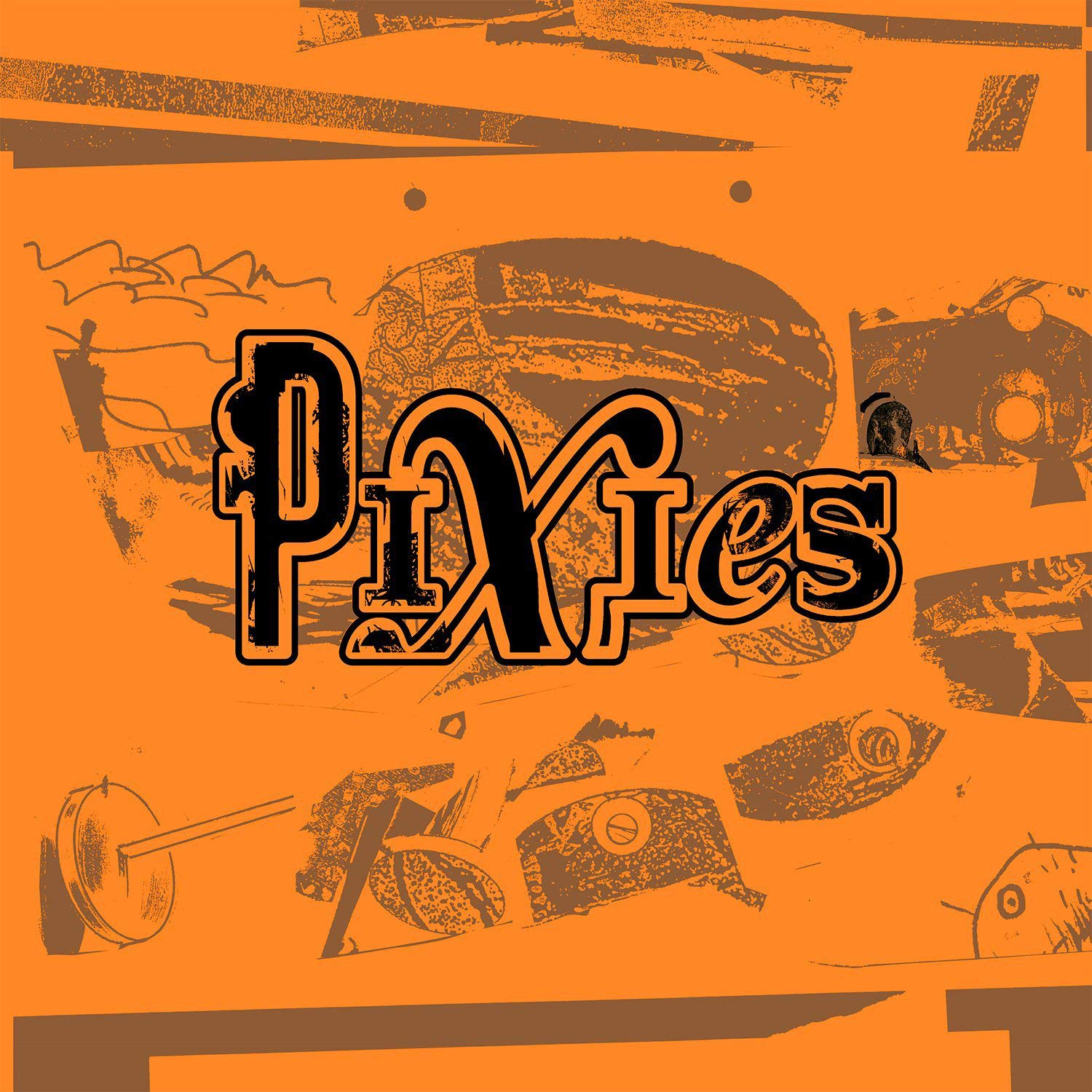
9. Indie Cindy (2014)
No Pixies album arrived carrying more baggage than Indie Cindy. I remember when it first came out and the disappointment that circulated online subsequently. Released twenty-three years after 1991’s Trompe le Monde, it was the band wrestling with their new lineup post-Kim Deal. Assembled from a series of EPs released the previous year, Indie Cindy never develops a distinct personality. Though produced by Gil Norton, who had successfully guided the band on Doolittle, Bossanova, and Trompe le Monde, the occasionally strong instrumental performances are undermined by Black Francis’ sterile, overproduced vocals. My favourite Pixies vocal performances are cloudy and vague. The songs often feel tentative, as though the band is trying to convince themselves this is the right idea. That’s not to say there aren’t highlights. Explosive lead single Bagboy captures some of the classic band’s nervous energy, featuring a free-sounding bass performance from The Fall’s Simon “Ding” Archer. Indie Cindy lands at number nine because it feels like a band still relearning how to be itself after losing a core member.
8. Head Carrier (2016)
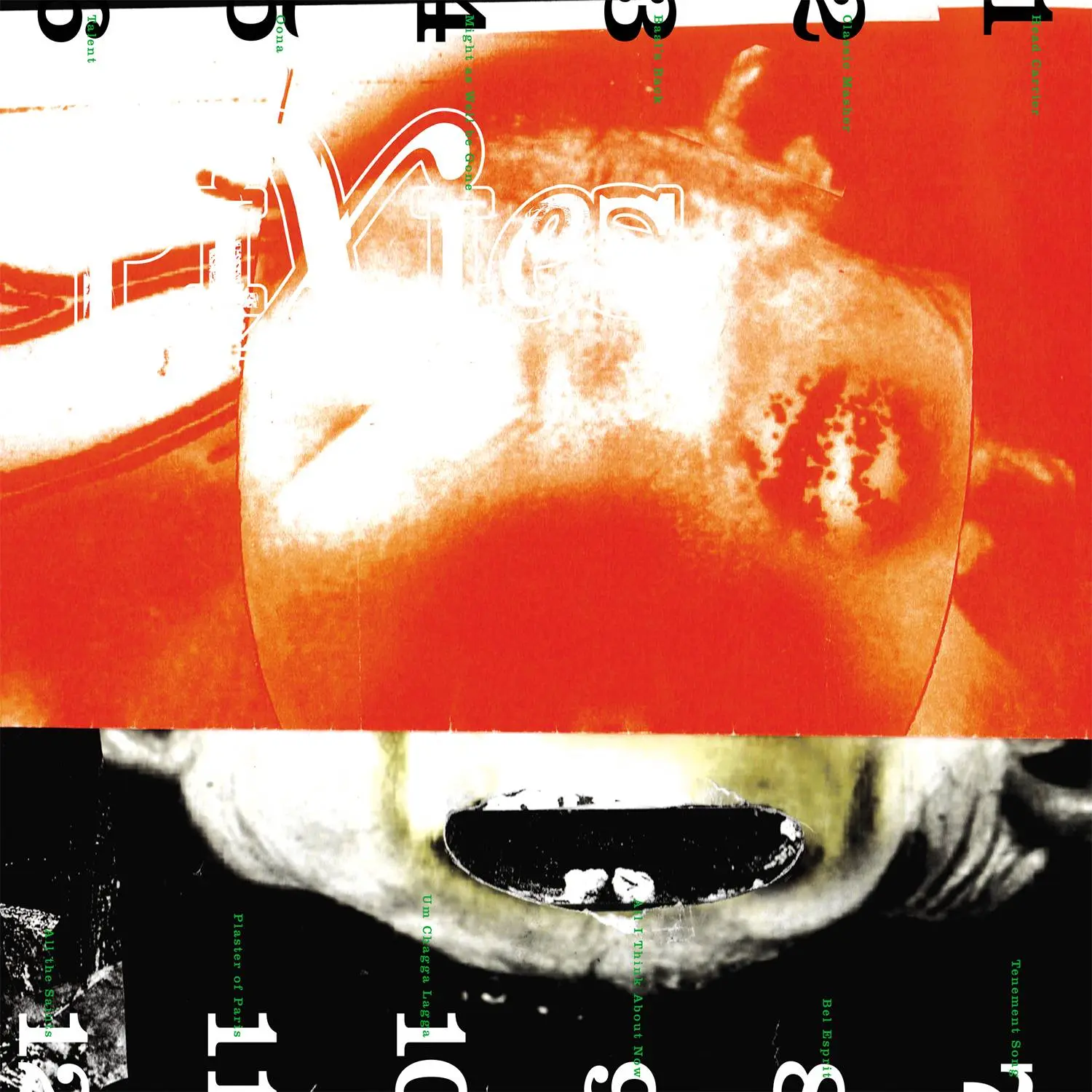
For Head Carrier, the pressure of the reunion had passed, and finally, it seems the band felt less concerned with trying to sound like an older version of themselves. A big reason for this is bassist Paz Lenchantin, who had toured with them during the Indie Cindy tour. In a 2016 interview with Pitchfork, Black Francis described her as the band’s sister, and Head Carrier is the first post-reunion album that feels like their bassist is a genuine member rather than a stand-in. All I Think About Now is a bittersweet acknowledgement of Kim Deal’s departure that places Lenchantin at the helm and is, in my opinion, one of the best songs on the album, with faint echoes of the Where Is My Mind? distorted guitar tone during the chorus. Songs like “Baal’s Back” show how wild it can get when Francis decides to vocally crash out. The album is still wrestling with the band’s shadowy history, and it similarly suffers from Black Francis’ perfect and tuned vocals. However, the songs are stronger than on Indie Cindy, and the performances are looser. But in a post-reunion Pixies world, there is much to improve upon.
7. Doggerel (2022)
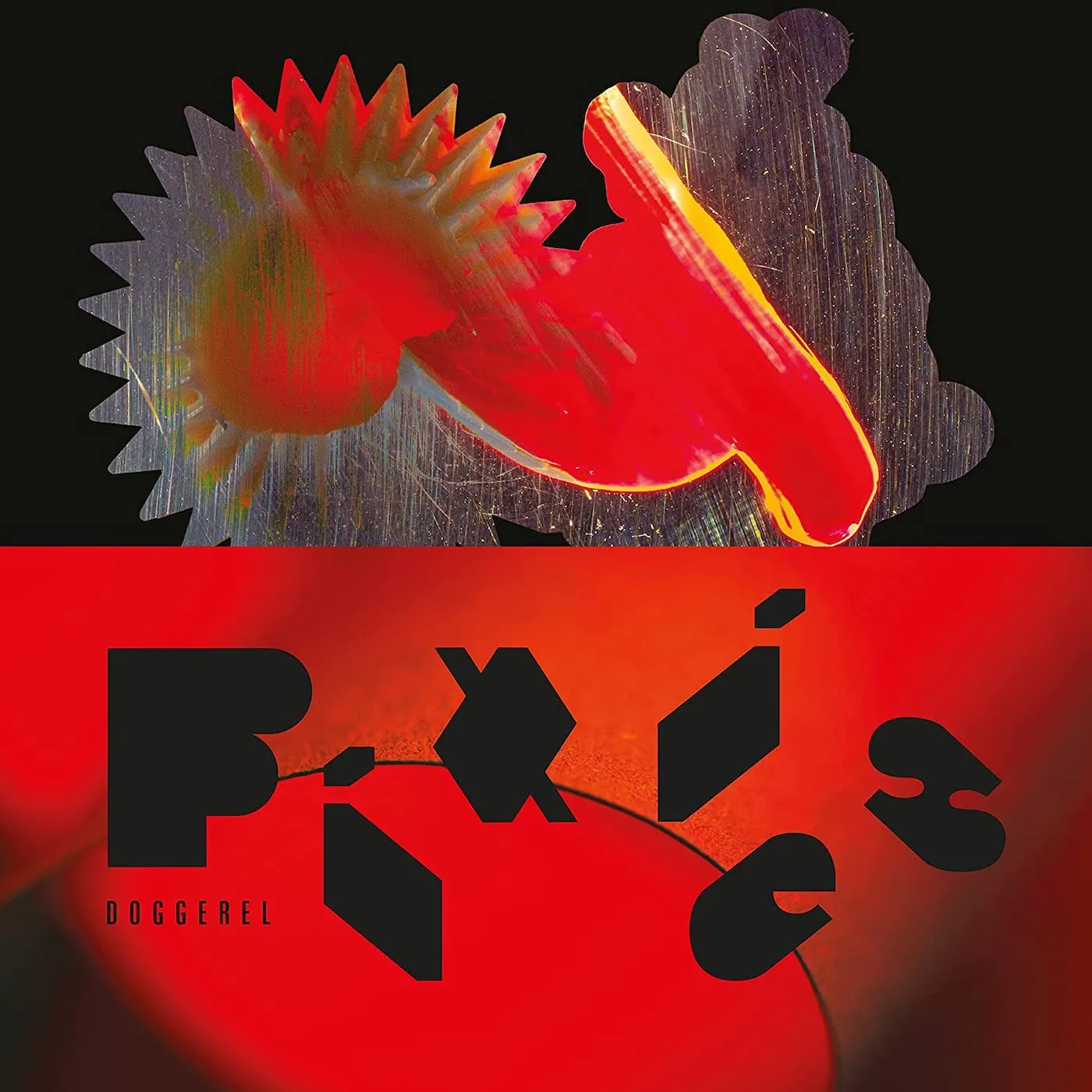
Doggerel contains many demos that were scrapped from 2019’s Beneath the Eyrie, and that scrappy demo soul is still found beneath the glossy, pop-anchored production on this album. But that’s not to say it’s a failure; in fact, the same darkly patched-together songwriting is what I found so alluring on a release like Surfer Rosa or even their first EP, Come on Pilgrim. In an interview with Under the Radar, guitarist Joey Santiago described the record as showing “a good maturity for a band like us but keeping the identity.” That’s sort of what the album does so well. The songs are surprisingly measured and deliberate. The Pitchfork review for this album said that the band was favouring production that's “clean, burly, and without a lick of grit”, yet that type of production doesn’t translate the members’ oftentimes aggressive manner of performance into any form of compelling songcraft. Black Francis seems more interested in storytelling and atmosphere than sudden explosions of loudness that once defined the band. The trade-off is that it sounds inorganic and carefully constructed, elements that were not found on much of the band’s early material.
6. The Night the Zombies Came (2024)
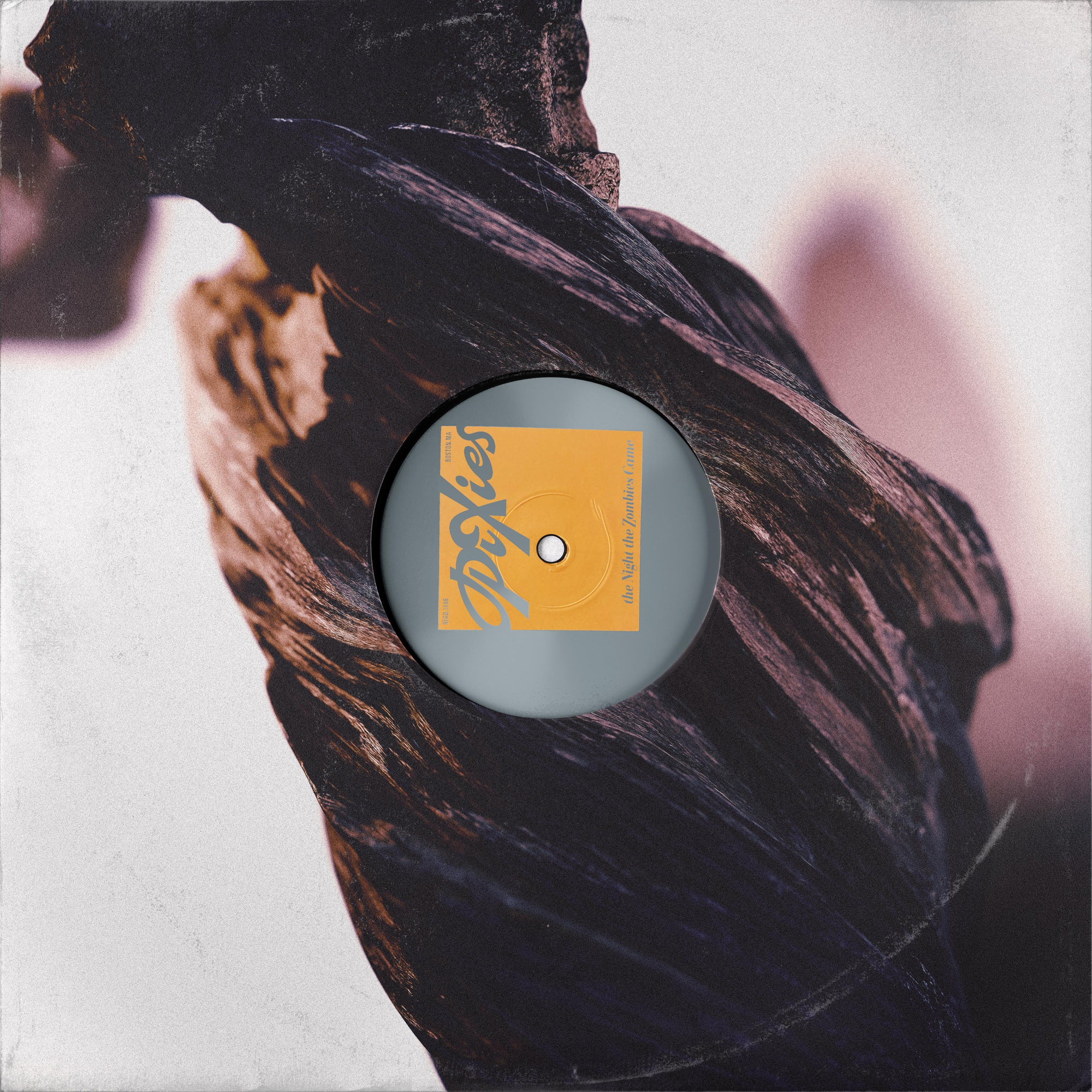
This is the Pixies’ latest release, and I have to say I was not the biggest fan when it came out. However, I realised that I was falling prey to the same trap that makes some of the early post-reunion material sound disingenuous: I was chasing and mythologising the early version of the band. The Night the Zombies Came is quite enjoyable, and it succeeds by not falling back on tropes that were common in the band’s early material. Instead of attempting to recapture their former dynamic aesthetically, it revels in weird, oddball themes that connect it to some of the adventurous songs from their original run. A highlight for me is Motoroller, which features new bassist Emma Richardson delivering the same cold, deadpan style similarly heard on tracks from Surfer Rosa. In a press release, Black Francis insisted there wasn’t really a unifying theme to the album. Technically, that’s true, but the songs are tied together by the mood rather than by a cohesive narrative.
"Themes of fifties era horror movies, folk stories, and dark humour are incorporated lyrically through the record. It’s like a weird fever dream. Plus, there is something refreshing about hearing a band this deep into their career embrace eccentricity rather than trying to recapture an older, more nostalgic sound."
5. Beneath the Eyrie (2019)
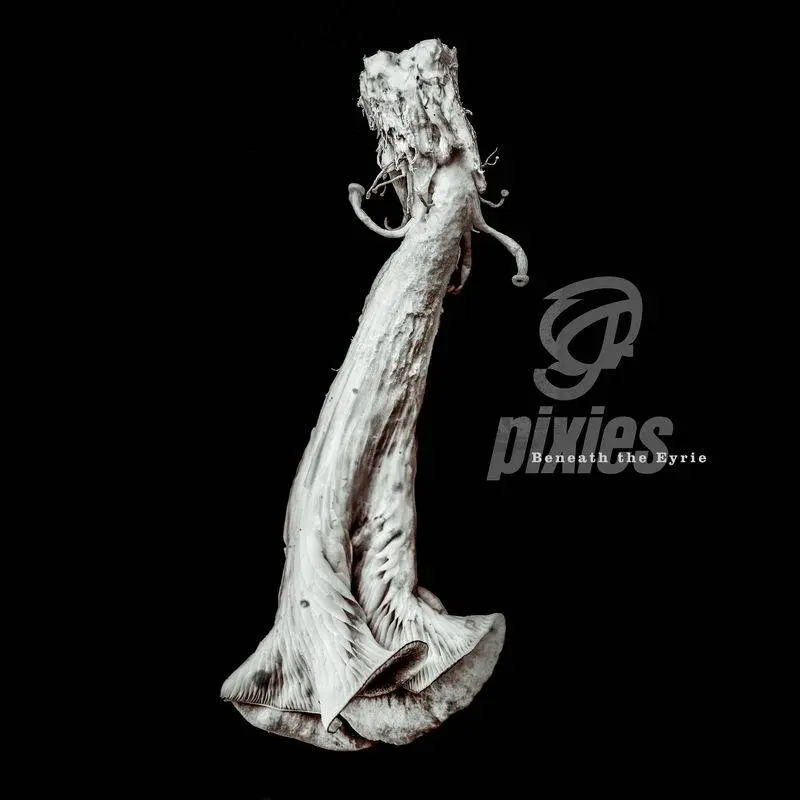
If there’s one reunion-era Pixies album that genuinely feels like a cohesive and stand-alone project, it’s Beneath the Eyrie. That is not to say it’s a perfect album. In fact, post-reunion Pixies have yet to recapture the soaring highs that were present on their original run with Kim Deal. Despite this, many critics consider this to be the best Pixies material post-breakup. Heather Pares, in her review for Allmusic, said it is “spookier and more fun, as well as looser and more cohesive than the band’s two previous albums” and that it “isn’t just the best Pixies 2.0 album to date, but suggests they just might be stepping out of the shadow of their legendary past”.
It was recorded in an isolated converted church in upstate New York, which gives the album a gothic shift tonally and a darker tone. In an interview for The Independent, Black Francis professed, “I wanted to intermingle with the spirit world, with life and death and with the mystical and a more surreal landscape.” I loved this album when it first came out. It recalls events from their earliest demos: fast jangly surf rock but with a dark and sinister bent. For a Pixies 2.0 album, it’s much less overproduced and instead quite cinematic. Black Francis leans into his gruff, ageing voice. The last half of the album contains some of the best post-reunion Pixies songs to date. One of my favourite songs is Long Rider, and its channelling of Pinkerton-era Weezer. They are showing who they influenced by paying homage to what came after them. The memorable songs included are what give this album the highest rank among the post-reunion Pixies era.
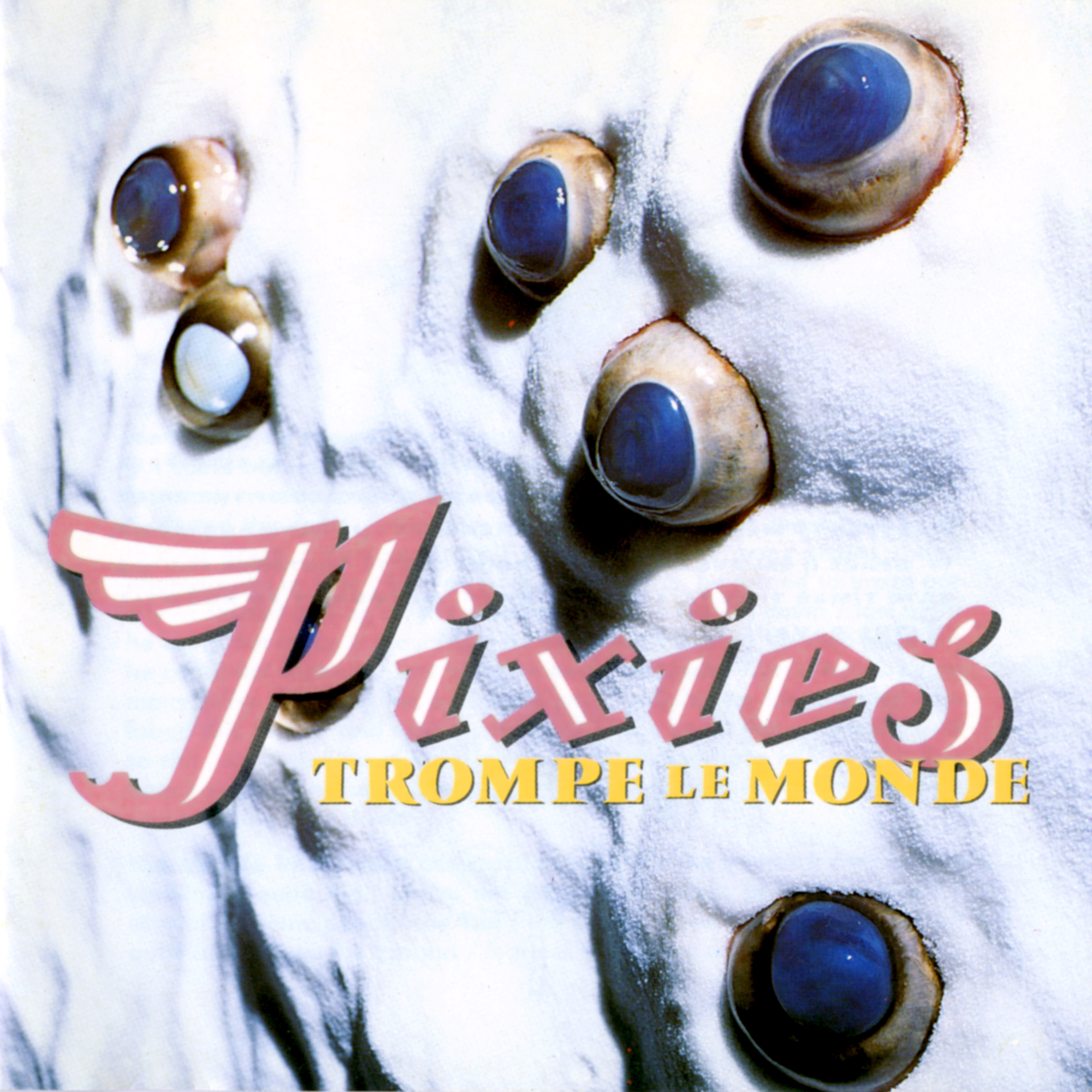
4. Trompe le Monde (1991)
By 1991, the tensions within the Pixies were no longer a secret. Kim Deal’s role had been diminished, and Black Francis was increasingly taking control. The breakup was inevitable. Yet Trompe le Monde doesn’t sound exhausted, but you can sense the fatigue. The songs are faster, heavier, and more aggressive than anything on Bossanova. Planet of Sound feels trippy, like a transmission from a collapsing radio tower; I am constantly shocked by the intense flanger effect on Francis’ vocals as he squeals some stream-of-consciousness lyrical sermon. This is almost metal adjacent, with many songs being performed in drop-d tuning. Tom Ewing of the blog Freaky Trigger named Trompe le Monde his ninth favourite album of the 1990s, describing it as "clean-lined sci-fi pop-metal, perpetually underrated.” It’s hard to disagree when you first start listening to this album. The songs pass by, making the thirty-nine-minute runtime feel closer to thirty. It's a brilliant record, even if it occasionally sounds more like the beginning of Frank Black's solo career than the end of the Pixies.
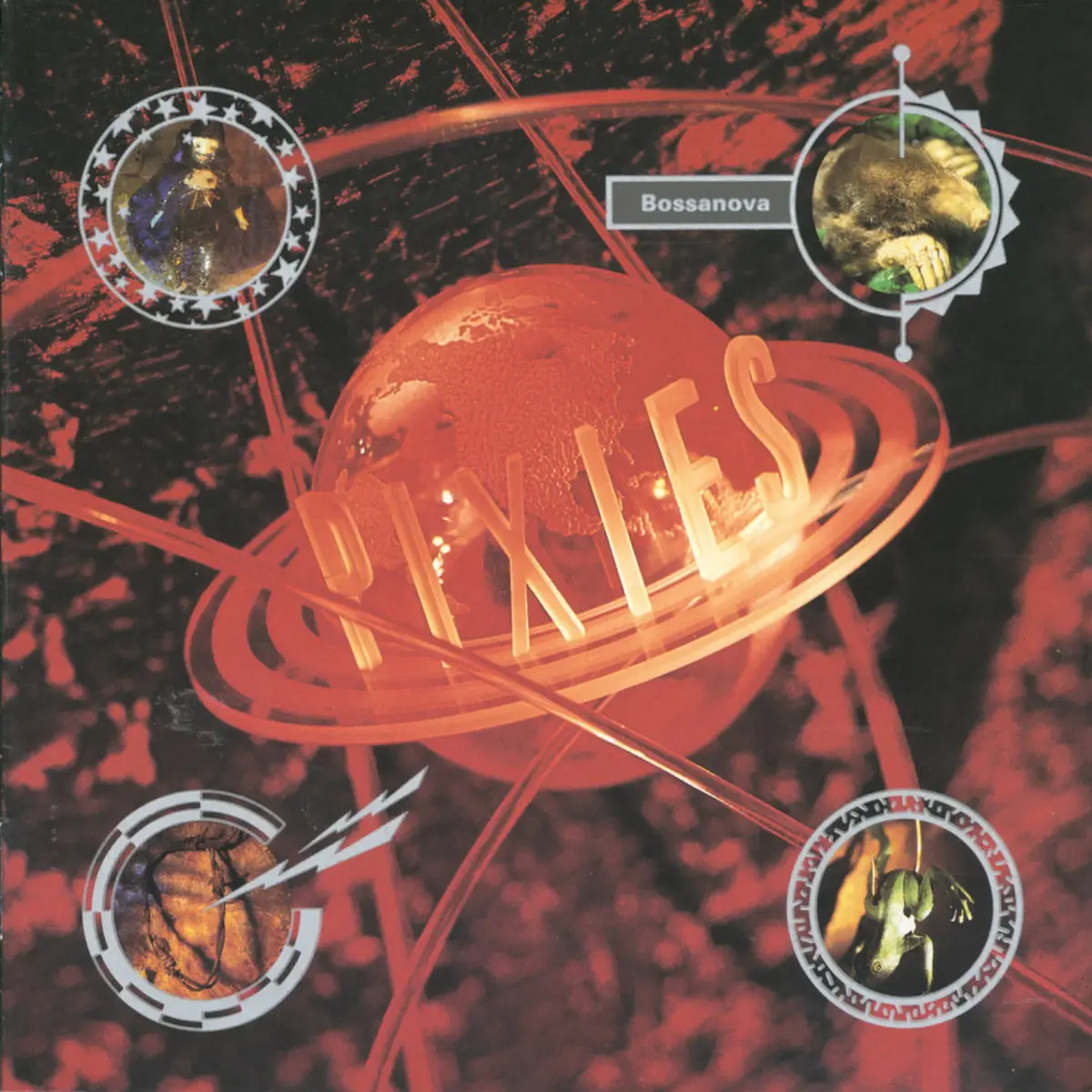
3. Bossanova (1990)
Bossanova is my pick for the most underrated Pixies album. While often seen as the weak link when compared to Doolittle, Surfer Rosa, and Trompe Le Monde, I argue that it is as essential as the other three, making their original run one of the most consistent and effective album cycles in modern rock history. Bossanova starts with Cecilia Ann, a two-minute blaring piece of heavy surf rock that acts as a bold overture, a mission statement for the rest of the album. It leads directly into Rock Music, which features some of the most unhinged scream-singing that Black Francis has ever performed on record. The previous work Doolittle had slowly transformed the previously underground band into a mainstream rock act. The two years that followed Doolittle allowed for the infighting to fester, and ultimately led Black Francis to go on a solo tour and Kim Deal to form another band, The Breeders. Pixies were on indefinite hiatus.
To me, Bossanova is the best of both worlds in the Pixies-verse: it has echoes of Surfer Rosa’s harsh grunge while still retaining strong melodies much reminiscent of Doolittle. Lyrically, Bossanova is a departure from Francis’ typical violent and surrealist sexual infatuations, and instead a focus on more sci-fi themes. One obvious highlight is Velouria, a lush rock do-wop anthem that interestingly features a theremin: a nod to the band’s surf rock influences.
"Although it is coming directly after Doolittle, it’s an evolution of the Pixies. Bossanova succeeds in its simplicity and the fact that it’s just solid rock tunes that chug along at an alarming rate."
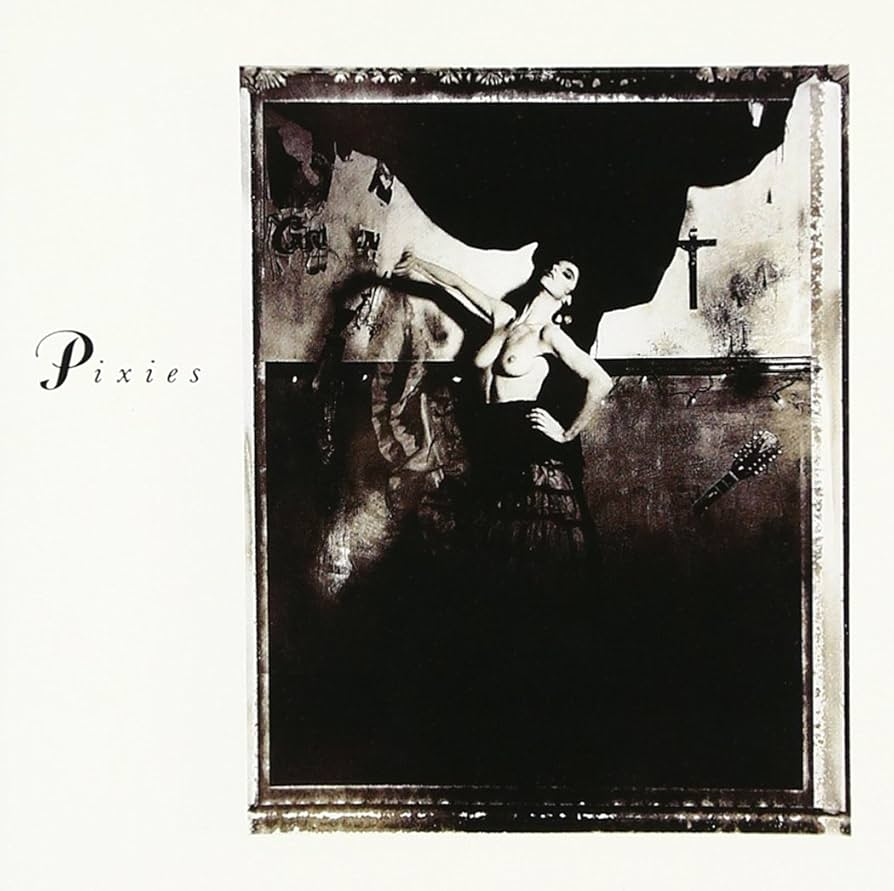
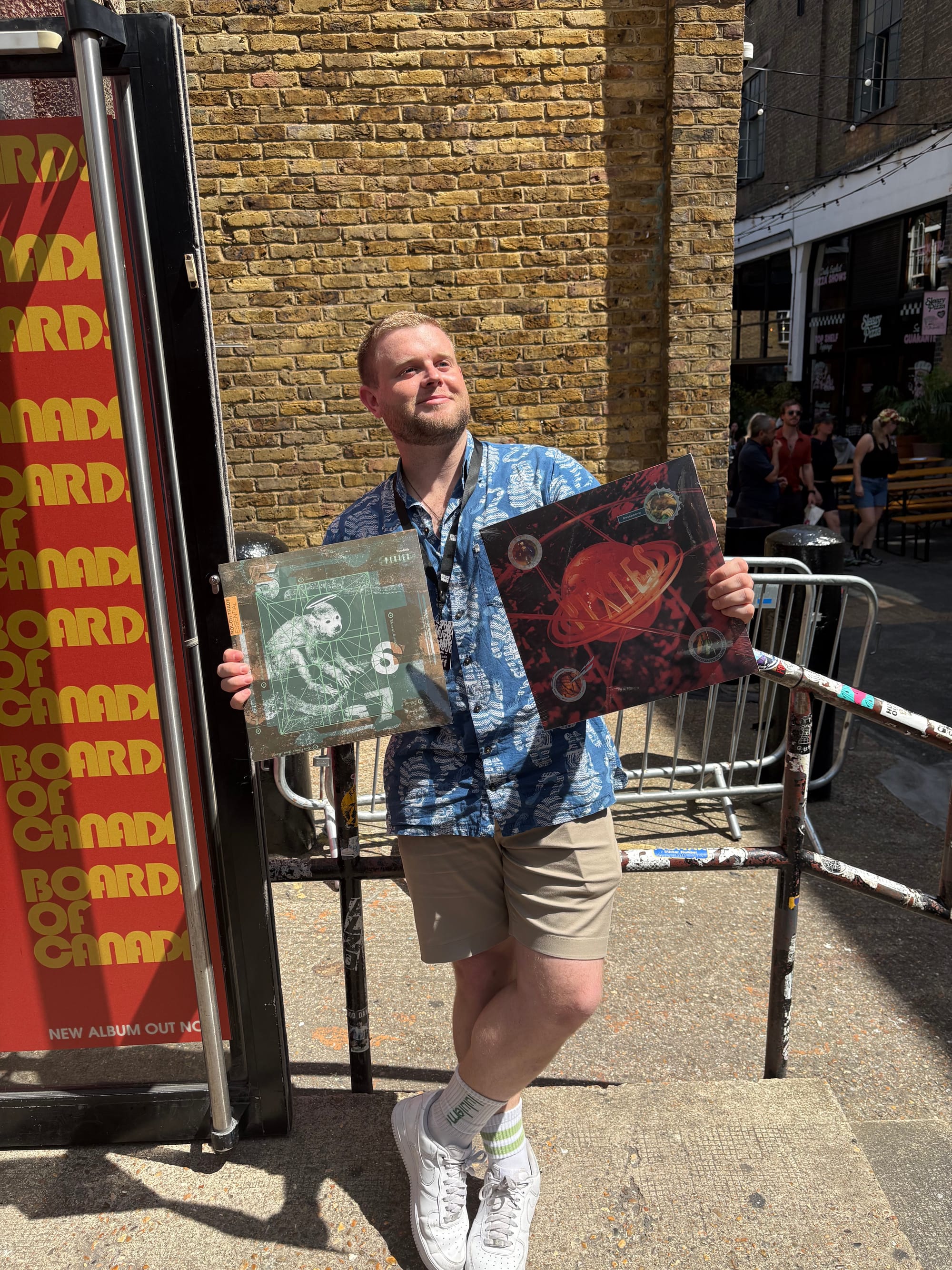
2. Surfer Rosa (1988)
Surfer Rosa is an elemental record, in that it showcases the band’s raw underground sound and allows them to paint it on a canvas carte blanche. What I am so impressed by every time I hear Surfer Rosa is the unmissable dryness in its sonics. It’s like you're directly next to them in some mouldy Boston garage as they were recording this. It’s stark in its themes as well, with lyrics exploring bodily mutilation and grim sexual fantasy. Interesting to note is that Surfer Rosa was produced by the legendary “noisemeister” Steve Albini (Nirvana, PJ Harvey), which allows the drums and guitars to scrape out of the speakers. In fact, he gave the band just one day to record vocals while spending the next two days on just guitars. It’s just so explosive. One of my favourite songs is Cactus (which was so good that David Bowie chose to cover it), specifically its extremely bleak lyrics mimicked by a totally indifferent Kim Deal, chugging guitar riff, and simple structure. And while Where Is My Mind? has become a cultural and commercial landmark on its own, when heard within the context of the album, it’s a needed respite between the constant, steady roar found throughout.
"Surfer Rosa is a bizarre collection of biblically steeped stream-of-consciousness lyrics, shrieking, and barking guitars, and for many fans it remains their favourite."
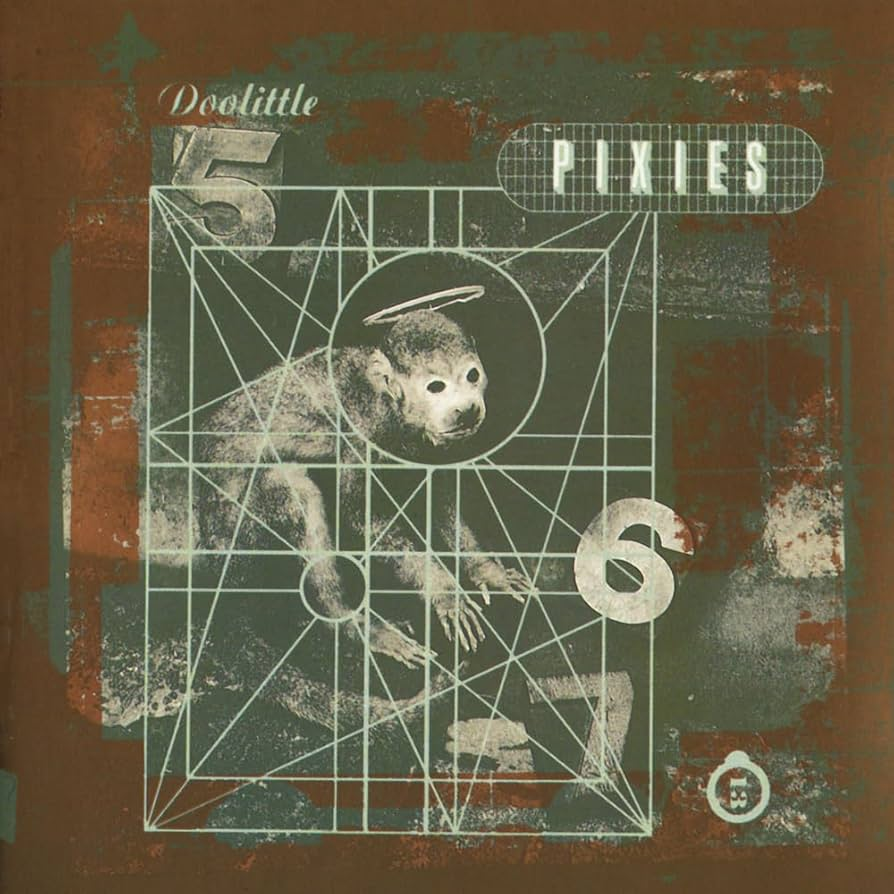
1. Doolittle (1989)
This is not surprising to many; in fact, Doolittle is widely regarded as the band’s masterpiece. But I am not going to be a contrarian simply to protect myself from the anxiety of uncertainty. Doolittle is the album where every element finally locks into place. From the first few bass notes of Debaser, you can hear the influence a new producer brings to the project. Gil Norton’s allowance of clean tone hints of studio sheen and would otherwise disgust Steve Albini. Norton was also a big fan of overdubbing, something Albini adamantly resisted. He was eager to make the Pixies sound bigger and glossier, but not in a way that sacrificed what made the band special. Some of my favourite songs in general, not just this album: Wave of Mutilation, Hey, Debaser, I Bleed, and most importantly Monkey Gone to Heaven all manage to balance gorgeous melody with moments of rage-filled explosions of noise. Specifically, the lyrical themes on Monkey Gone to Heaven feel much more necessary today by examining humans’ destructive nature on earth and contain the perfect encapsulation of Francis’ writing style: an obsession with the avant-garde, pathos, and ultimately resignation at forces outside of one’s own control.
With this album, Pixies launched into the charts and started seeing mainstream success. Doolittle is a no-skips album for me, and much like Surfer Rosa, it has only gotten better with age. Alternative rock has been trying to recreate what this album achieved almost effortlessly ever since.