
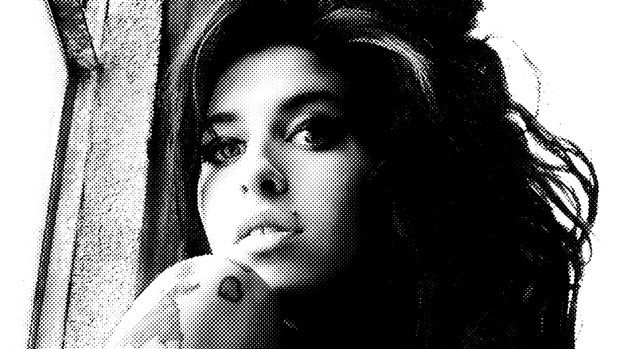
"Music is the only thing that will give and give and give and not take."
Amy Winehouse
Fifteen years after Amy Winehouse passed away on 23rd July 2011, her voice feels as immediate as ever: intimate, funny, sharp, jazz-schooled and completely irreplaceable.
Amy released only two studio albums during her lifetime, yet her influence reaches far beyond the size of her catalogue. She changed the direction of British soul, brought jazz phrasing back into mainstream pop and showed how raw, conversational songwriting could become universal. You can hear that legacy today in artists including RAYE, Olivia Dean, Billie Eilish, Celeste and Lola Young—not as imitation, but in their freedom to combine classic musical references with honest modern lives.

Her father’s record collection introduced her to jazz and soul, surrounding her with the voices of Frank Sinatra, Dinah Washington and Sarah Vaughan from an early age. That musical education became the foundation of her own instinctive and deeply informed sound. Moving freely between genres and wearing her influences proudly, Amy Winehouse’s music blended soul, jazz, R&B, reggae, ska and 1960s girl-group pop, with a vocal style rooted in jazz phrasing.
Asif Kapadia’s Academy Award-winning 2015 documentary Amy offered an intimate, archive-led portrait of the artist behind the headlines, returning her life and music to the screens. Whilst Sam Taylor-Johnson’s 2024 biopic Back to Black brought her story and music to a new generation, it highlighted the challenges of recreating her unmistakable musical world. Discover how that world was brought to the screen in our In Conversation feature with music producer Giles Martin and music supervisor Iain Cooke.
Fifteen years on, the best way to understand Amy’s artistry is still to return to the music. Across Frank, Back to Black and Lioness: Hidden Treasures, we revisit the records that shaped her legacy, trace the sounds and artists that inspired her, and explore how her influence continues to resonate through a new generation of musicians.
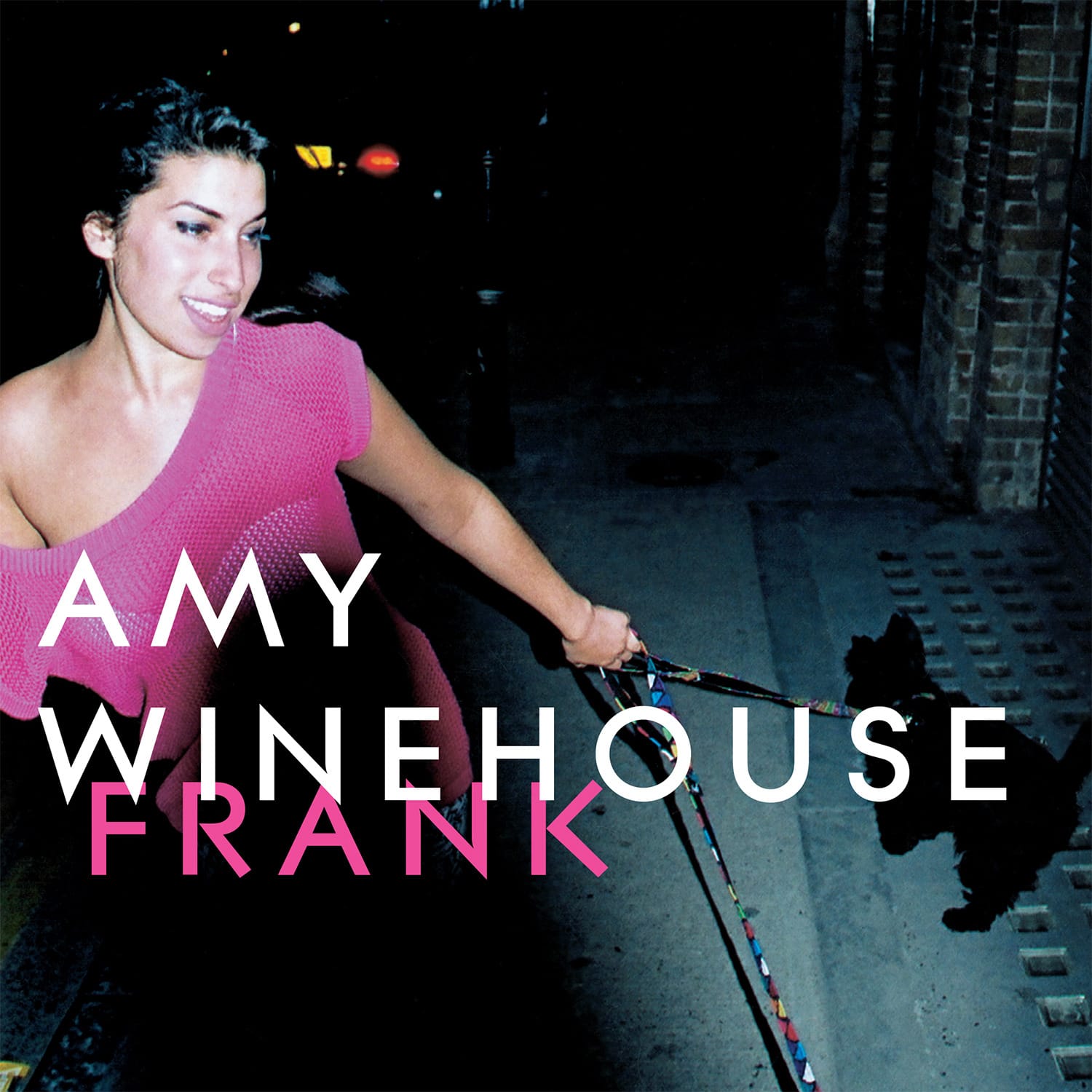
Frank (2003)
At just 19, Amy Winehouse signed to Island records and released her debut album Frank in 2003. An executive at the label, Darcus Beese, had heard Amy's voice on a separate client's promotional recording. He fell in love with her vocals, as we all did, and spent months tracking down this mysterious singer. Thank you Darcus Beese.
The record introduced her as an artist with a fully formed musical identity. Drawing on the mid-century influences which her father Mitch exposed to her at an early age, Amy's voice sounded as if it should be in the smoky back rooms of American jazz clubs.
The production from Salaam Remi, Commissioner Gordon, Jimmy Hogarth and others gave Amy room to move. Hip-hop-influenced beats sit alongside upright bass, brass, guitar and jazz harmony, while her voice slips behind the rhythm or darts ahead of it.
Amy's intent for this record can be best summed up by her own words in her Sylvia Young Theatre School scholarship application at twelve years old: "I want people to hear my voice and just forget their troubles for five minutes." An unflinchingly honest and beautiful debut album by an artist who was wholeheartedly herself, in her art and life.
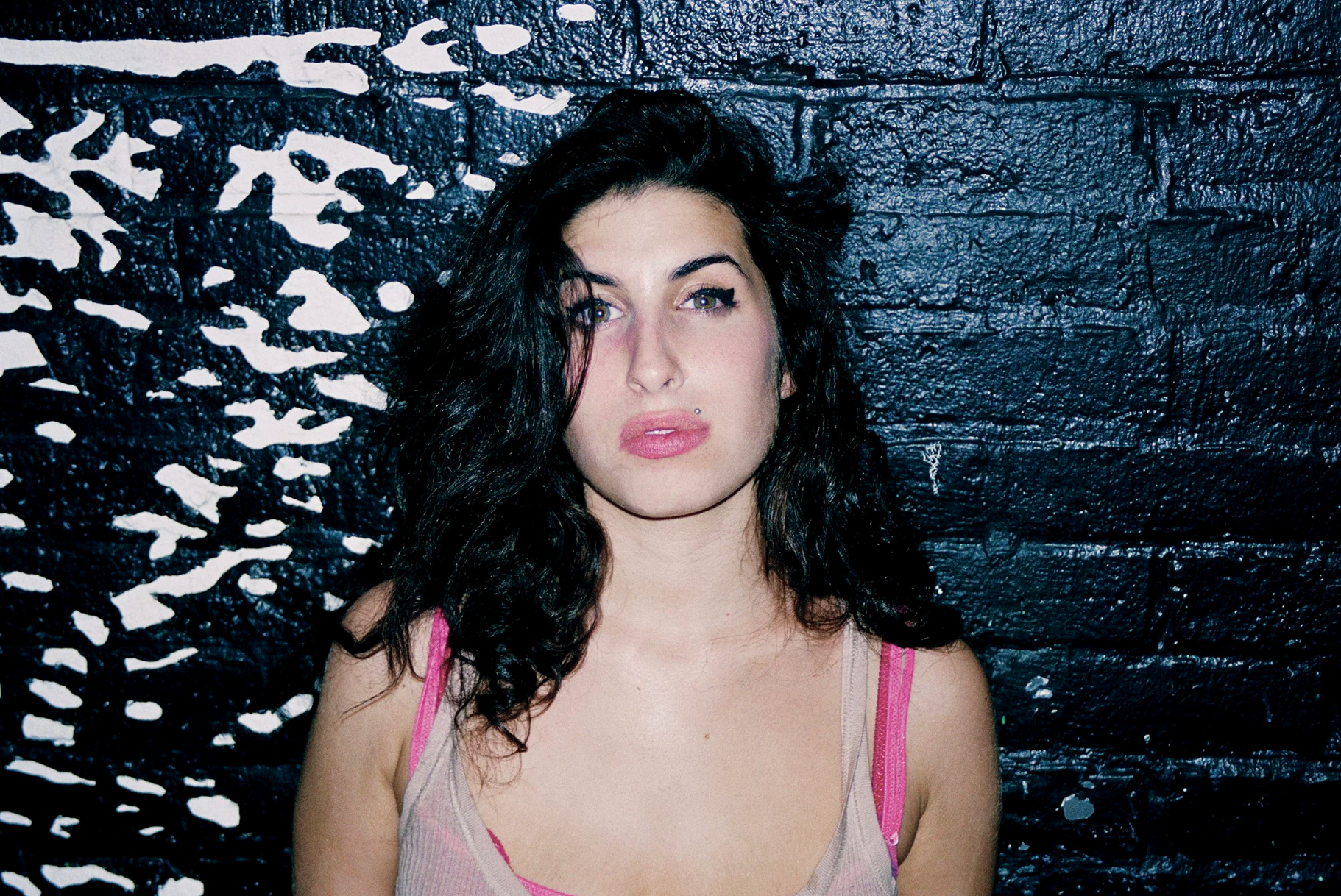
"I don’t need help because if I can’t help myself I can’t be helped."
Amy Winehouse
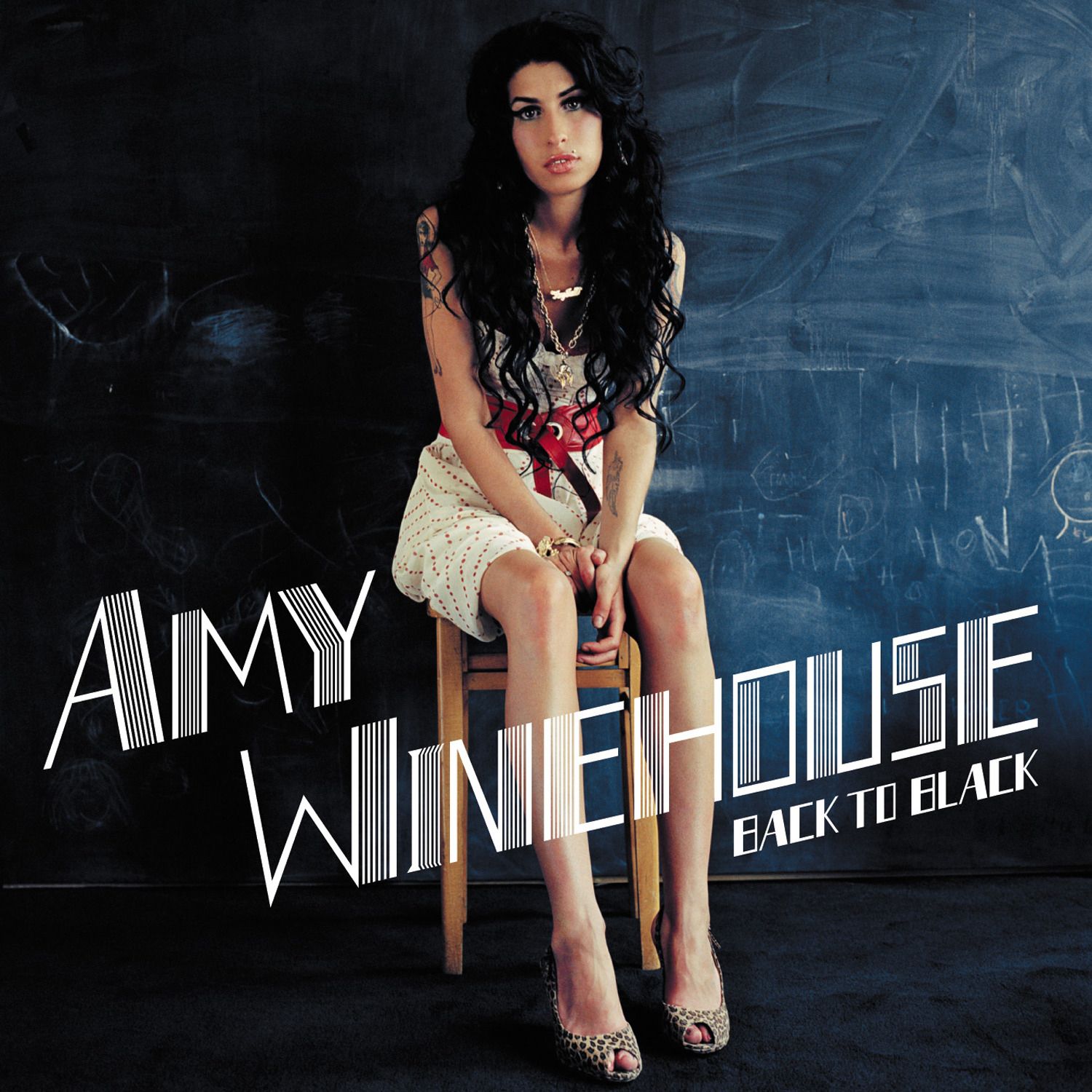
Back To Black (2006)
He walks away, the sun goes down
He takes the day, but I'm grown (I'm grown)
And in your way, in this blue shade
My tears dry on their own
One of the most era-defining albums of the 21st century. Mark Ronson and the Dap-Kings brought the punch and sweep of 1960s soul, while Salaam Remi retained the warmth and rhythmic looseness already present on Frank. At the centre of both approaches was Amy’s voice - conversational one moment and devastating the next.
Classic soul arrangements frame writing that is direct, modern and intensely personal. Heartbreak is mixed with humour; vulnerability sits beside pride; regret arrives with an unflinching degree of self-awareness. Amy never made difficult emotions neat or polite and that is exactly why so many resonate with her music.
As Amy's career progressed the singer continued to build on traditional jazz influences, her retro soul vocals so effortlessly heartbreaking, the singer was able to translate real life experience into emotional lyricism as her battles with substance abuse and refusal to get help strongly influenced her critically acclaimed album Back To Black in 2006. The album would go on to garner Amy international success including six Grammy nominations, of which she won five.
Two decades after on from its release, Back To Black stands as a staple in our collection. A Rough Trade Essential for good reason.
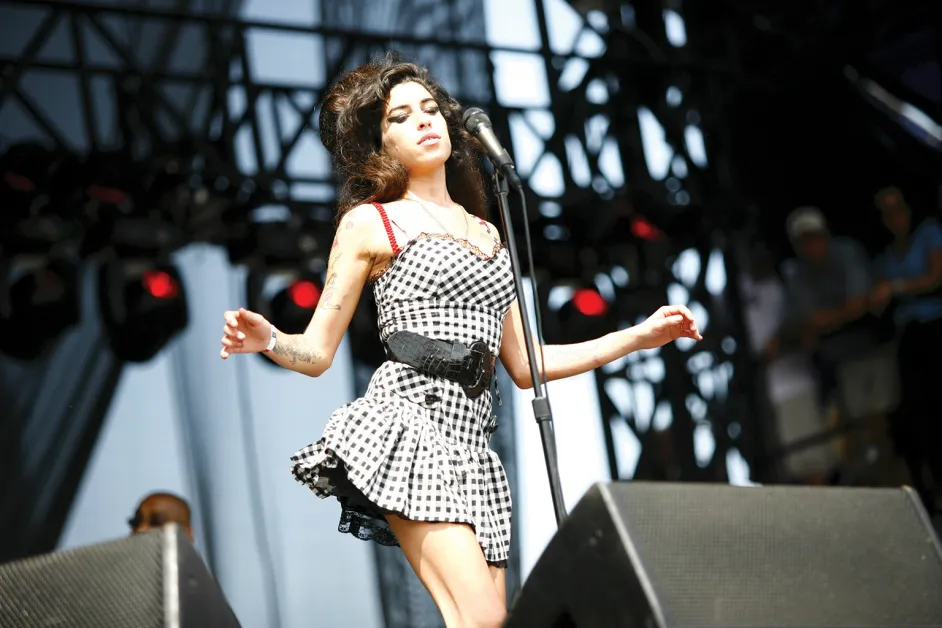
"I live to go on stage. I would be on tour for the rest of my life if I could be."
Amy Winehouse
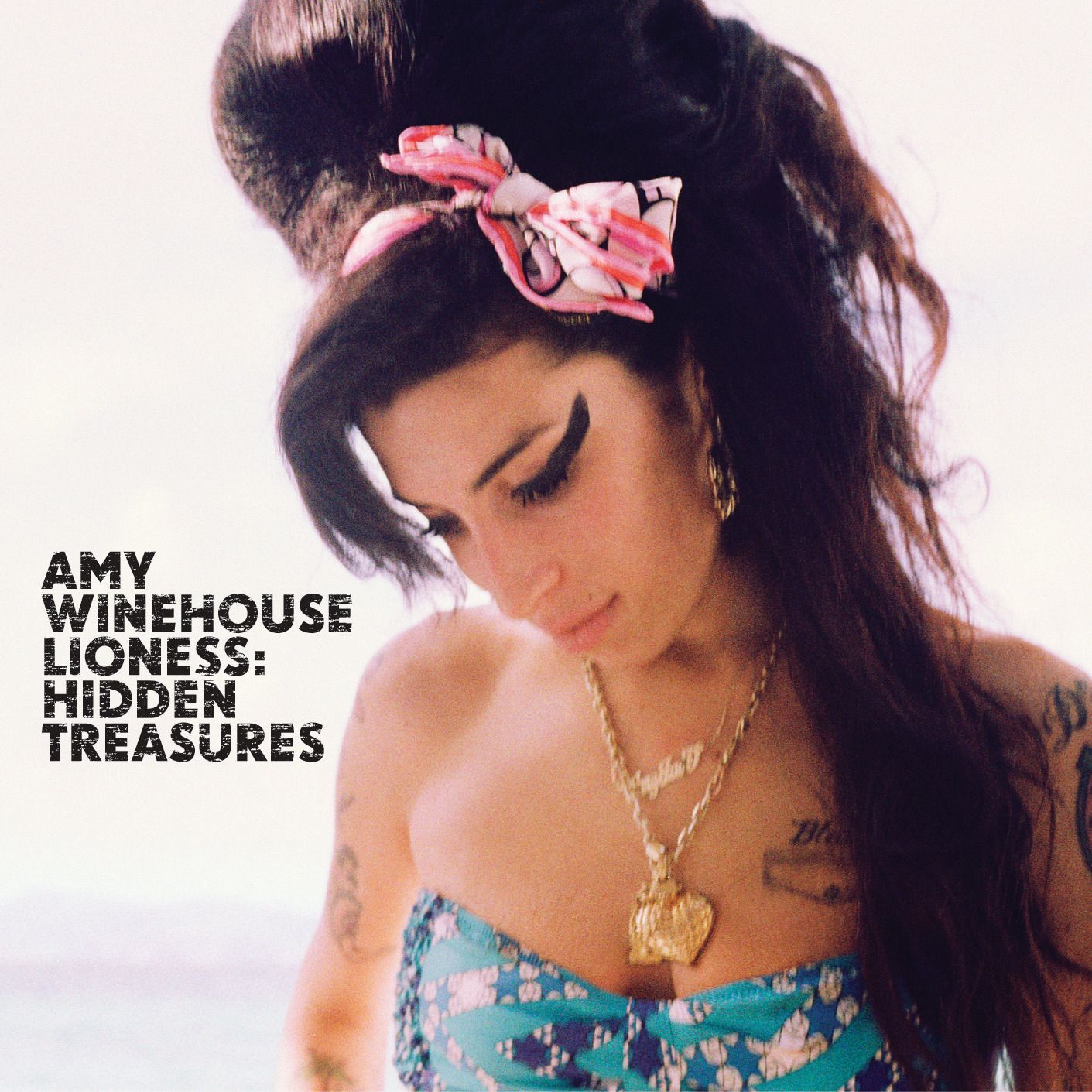
Lioness: Hidden Treasures (2011)
Following her tragic passing in July of 2011, some of the producers and musicians who worked closely with the star spent time listening to the many recordings that Amy had made before, during and after the release of Frank and Back to Black. It became apparent to close former collaborators Salaam Remi and Mark Ronson that they had a collection of songs that deserved to be heard.
Lioness: Hidden Treasures, was released posthumously through Island Records. The 12-track collection features previously unreleased songs, alternate versions of existing classics as well as a couple of brand new Amy compositions. In all, a gem not to be missed out on.
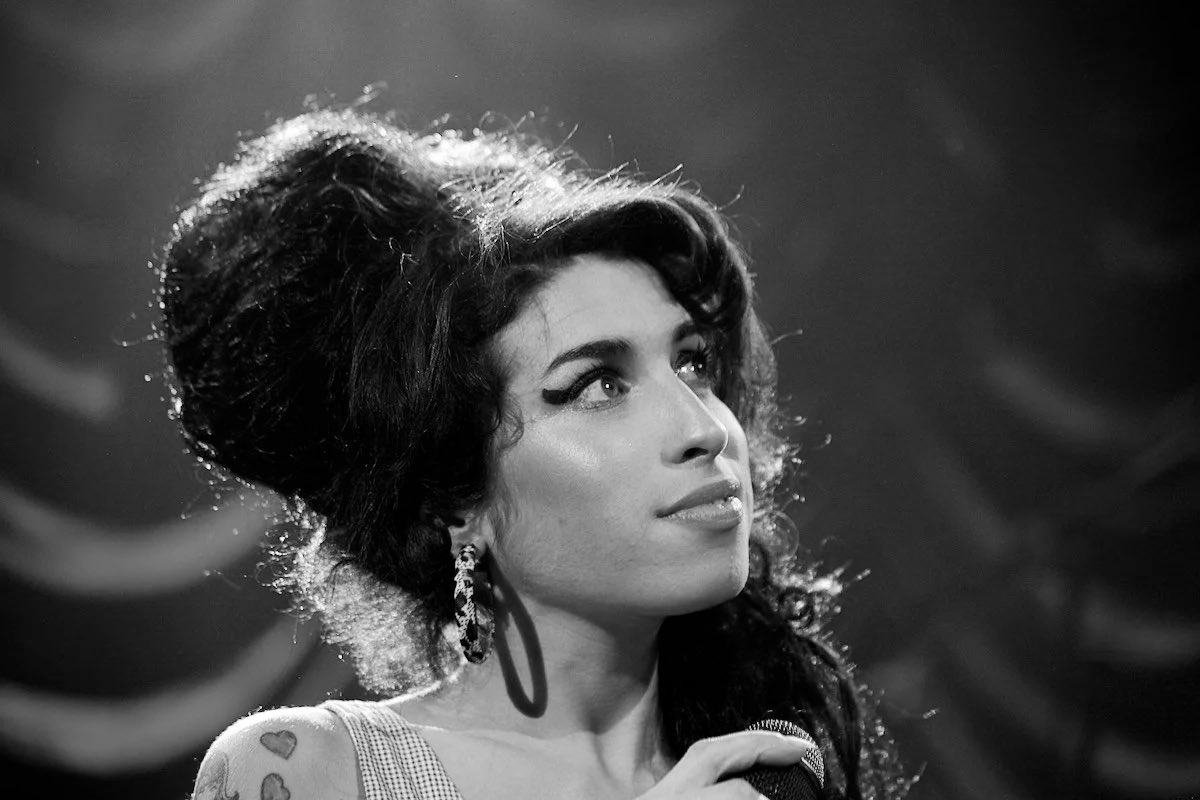
"I don't ever want to do anything mediocre. I want to be different, definitely. I'm not a one-trick pony. I'm at least a five-trick pony."
Amy Winehouse
A one-of-a-kind voice, artist and person. Then, now, always.