Finally, if Sir Paul McCartney is reading and disagrees with any part of this article: give me a visit at the Rough Trade warehouse, Paul - we can work it out.
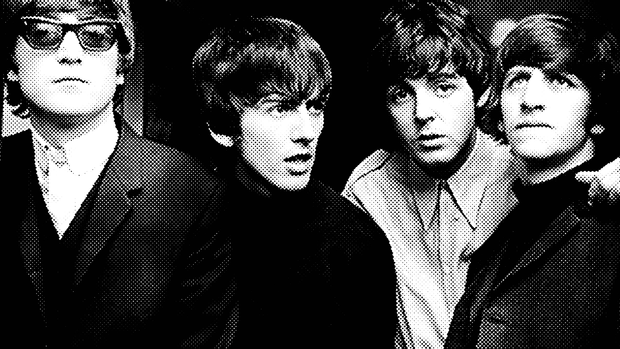
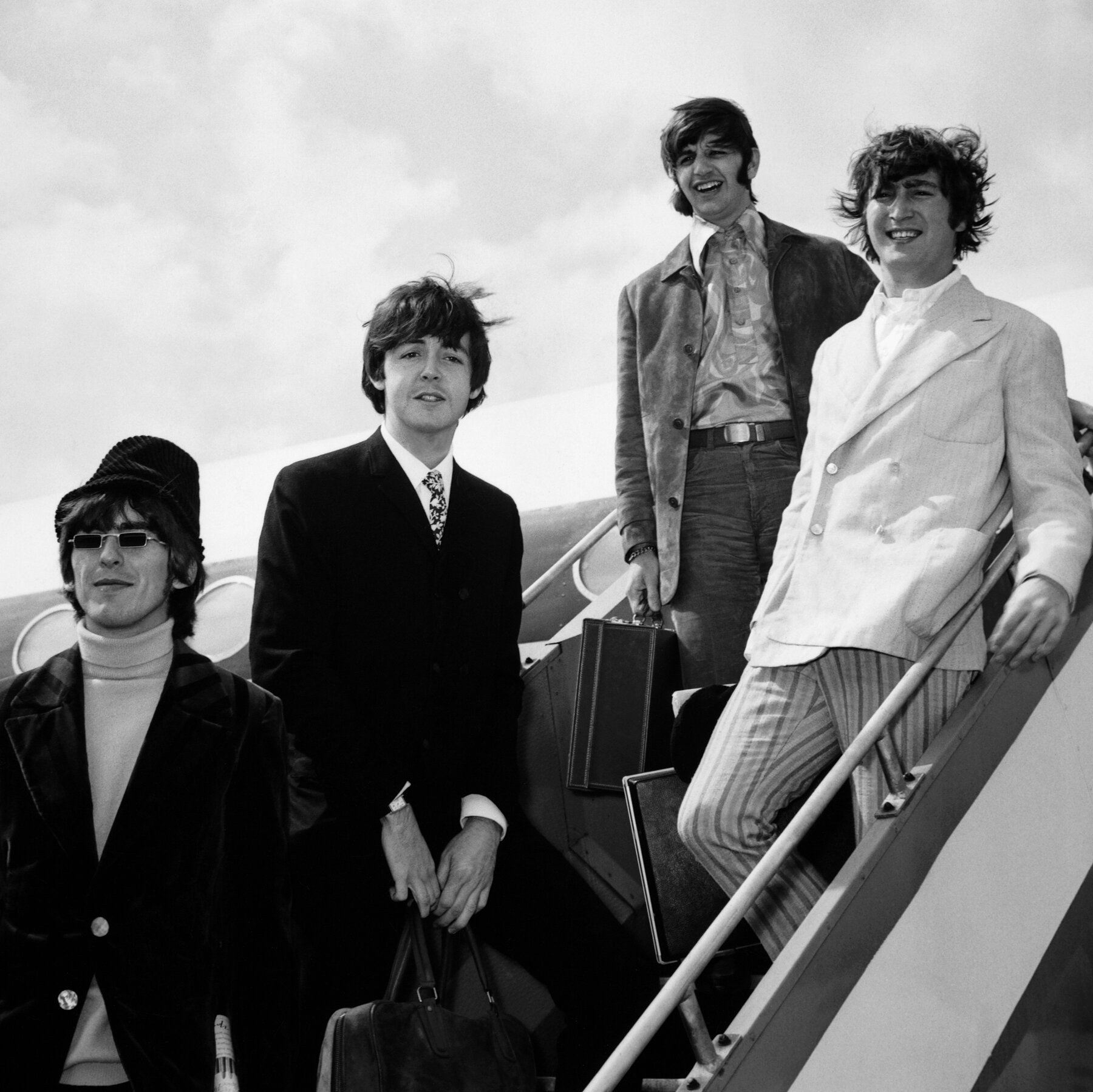
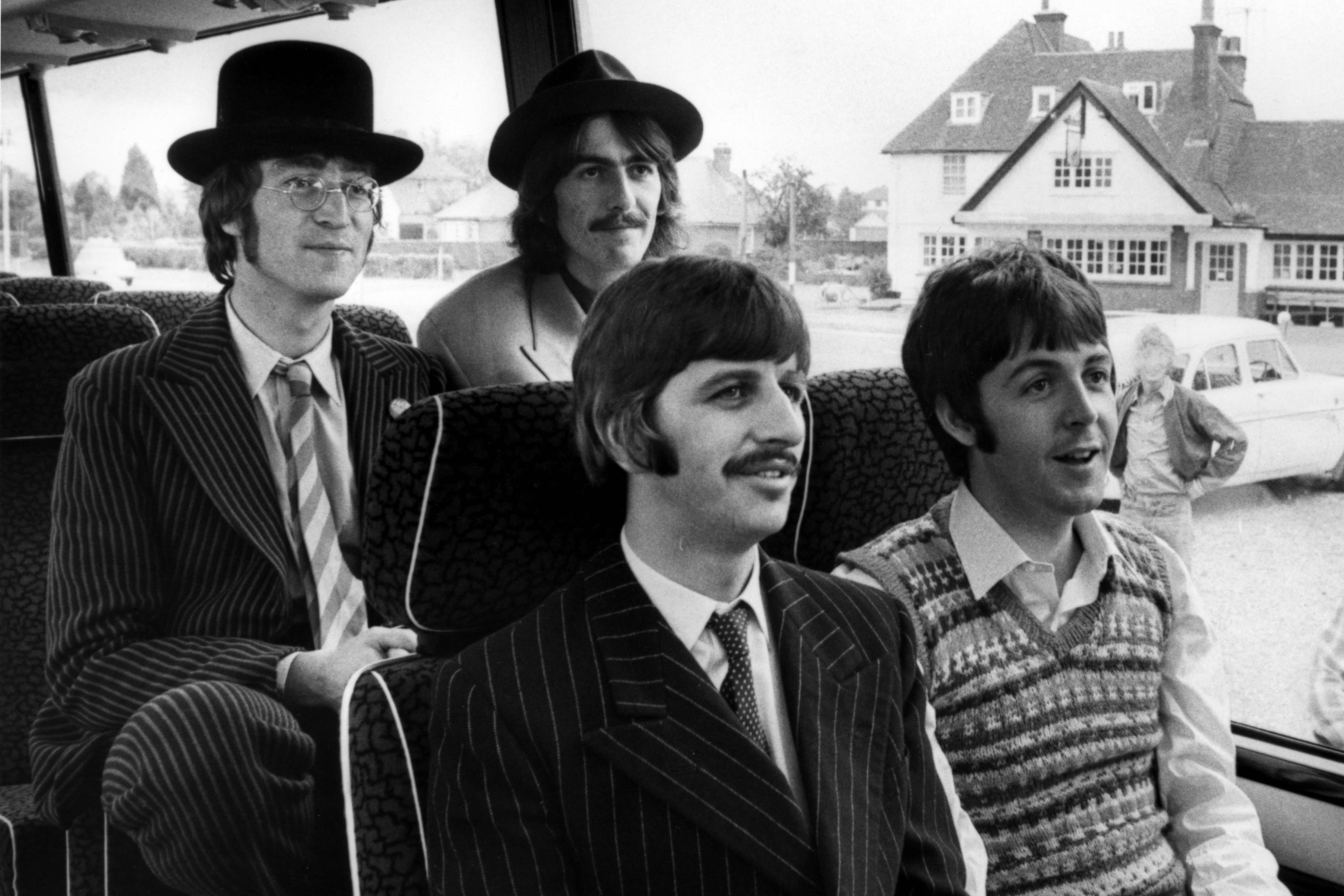
John Lennon, Paul McCartney, George Harrison and Ringo Starr. The Fab Four. A band who rewrote the possibilities of pop music, The Beatles’ legacy remains as vivid and fiercely debated as ever. Our resident Beatlemaniac, Rough Trade Used Vinyl Assistant Huw Thomas, takes on the task of ranking their greatest albums, from Merseybeat pop to the psychedelic beyond.
Everybody has their take on The Beatles. They loom large in our collective legend! You almost have to have an opinion on their output by the time you are about twelve. Mine was that their music was the greatest thing in the world ever, naturally, and I can’t pretend my position has really changed.
I don’t remember exactly how it started for me. I think I became curious about the Beatles after watching a 1972 episode of Doctor Who where Jo Grant (Katy Manning) refers to I Am the Walrus. Maybe the T-Mobile advert where a flash mob sings Hey Jude helped. Perhaps the Beatles were just the natural next step after I’d exhausted the catalogue of my first favourite band – the Wombles.
Derek Taylor was spot on when he wrote that the “radioactive, cigar-smoking” children of “AD 2000” would derive as much pleasure from The Beatles as people did in the ‘60s.
I knew the “canon” before I even heard the albums. I brought Rubber Soul, Revolver, Pepper and Abbey Road all in one go when they were reissued on CD, knowing that they were safe bets. I didn’t get around to the likes of Please Please Me and Beatles for Sale for a year or two. I spent a statistically significant amount of my time at school telling people the Beatles were definitely better than One Direction. I hope I am less annoying about them as an adult. Derek Taylor was spot on when he wrote that the “radioactive, cigar-smoking” children of “AD 2000” would derive as much pleasure from The Beatles as people did in the ‘60s. I’m taking a drag and glowing luminescent as I write this; my personal ranking of the Beatles’ top ten studio albums.

10. With the Beatles (1963)
The Beatles’ second album is excellent. A fantastic set of covers and originals that displays the verve and power of a band who had already taken over Great Britain. They never played R&B better than here; witness the miracle of the Smokey Robinson-inspired All I've Got to Do and the pure attack of Money (That's What I Want), possibly Lennon's greatest vocal performance ever. They never communicated with their fans more directly, either; they ring you up (All I’ve Got to Do), they send you letters (All My Loving, Please Mr. Postman), they tell you to buzz off (Don’t Bother Me). So, why have I put this album tenth? Well, something has to be. I think it's a touch weaker than the debut in terms of material - there's a slight paunch in the middle exemplified by some originals, namely Little Child and I Wanna Be Your Man, that are among Lennon and McCartney's least inspired – and better was to come.
Key track: Not a Second Time

9. Let It Be (1970)
How’s this for light criticism? Let It Be is a Beatles album that commits the sin of failing to transcend reality. The soundtrack to Michael Lindsay-Hogg's documentary film, it sounds like what it is; snapshots of a band over an uncharacteristically aimless month. There are some wonderful songs along the way - Across the Universe, Two of Us, I Me Mine - and the album, like the fascinating sessions it is drawn from, is energised by the insertion of keyboardist Billy Preston, but it is ultimately the Beatles LP which falls shortest of their standards at the time of release. There’s only one “new” John Lennon-led song present (Don’t Let Me Down takes its rightful place on 2003 rejig Let It Be... Naked) and you can’t help but suspect some of this material needed one last pass. For what it’s worth, I think Richard Hewson’s orchestral arrangements, overdubbed in 1970 and controversial to this day, go some way to making Let It Be sound like a convincing record, if not necessarily a Beatles one.
Key track: Two of Us

8. Help! (1965)
Like the film it accompanied, Help! finds The Beatles at their most heightened and cartoonish. Their previous album, Beatles for Sale, had paired an unusually predictable set of covers with glum, folksy originals, but this one sees the lads loosen their ties with two George Harrison compositions (generous!), lashings of organ, the introduction of a guitar pedal and, in Yesterday, a solo Paul McCartney performance with string quartet backing. Maybe some of the old Merseybeat vitality was lost in the process, but you can’t argue with songs like I Need You, You’ve Got to Hide Your Love Away, I’ve Just Seen a Face and - ignore what John said about it - It’s Only Love. The only fiendish thingy here is a cover of Larry Williams’ Dizzy Miss Lizzy. I do appreciate it being ‘round, but it doesn’t quite belong at the end of the album.
Key track: I've Just Seen a Face

7. Please Please Me (1963)
“Sexual intercourse began in nineteen sixty-three...between the end of the Chatterley Ban and The Beatles’ first LP”. This be the verse of Philip Larkin – and perhaps the old grump was onto something. I can tire of people making out that the Beatles were Year One for everything. There are plenty of fantastic British pop records before the Beatles – don't let anyone tell you different – but stick on Please Please Me after you've exhausted your Adam Faith and Cliff Richard singles and you're bound to feel something stirring in the loins. Recorded, for the most part, in one session, Please Please Me has John, Paul, George and Ringo building their own red-brick Brill Building in EMI Studio 2. I can promise you that the style, the compositional colour and - most of all - the consistent quality of this album was groundbreaking. I go back to it constantly. All together now - one two three FAW!
Key track: There’s a Place

6. A Hard Day’s Night (1964)
Though A Hard Day’s Night is not their greatest album, it may be their most perfect.
On record and on film, The Beatles were indomitable in 1964. They were the musical Daleks - resistance was futile! A Hard Day's Night, containing 100% Lennon-McCartney originals, is their most impressive onslaught from the Beatlemania period. Every track is a winner with subtle dips into Latin (And I Love Her) and country music (I’ll Cry Instead) pointing the way to the Beatles’ genre-bending future. Though A Hard Day’s Night is not their greatest album, it may be their most perfect. The current average Beatles fan tends to undervalue the early albums. I've told you before; you can’t do that!
Key track: And I Love Her

5. Rubber Soul (1965)
Rubber Soul will be the next Beatles album to receive the boxset treatment and it is their great step-up. Motown rhythms (Drive My Car, You Won’t See Me), echoes of Dylan (Norwegian Wood) and proto-hippy messages (Think for Yourself, The Word) fill the canvas on one of their most focused albums. The concentration of classics is particularly high, and if The Beatles had split up in 1966, Rubber Soul might have been more remembered for what it is: the kick-off for psychedelia on both sides of the Atlantic.
Key track: Girl

4. Abbey Road (1969)
There’s a telling moment in The Beatles Anthology documentary series when George Martin recalls telling Paul McCartney he would produce Abbey Road “only if you let me produce it the way we used to”. This album, the last the Beatles recorded, is shaped by the ambitions of McCartney and Martin. It’s their Sgt Pepper sequel, a trial run for the album blockbusters of the 1970s with its glossy arrangements and inspired closing song-cycle. Disparate compositions —two instant standards by George Harrison, an octopus-themed country canter from Ringo Starr, an eight-minute doom metal precursor from Lennon, a McCartney ditty about a student who murders people with a hammer inexplicably mesh for the occasion; even a tall Scouse tale about “killer-diller", kinky Polythene Pam becomes plausible in the FM aspic. Released while Let It Be languished in suspended animation, Abbey Road is an audacious triumph. I don't think The Beatles could’ve pulled something like it off again. They went out with a bang.
Key track: I Want You (She’s So Heavy)

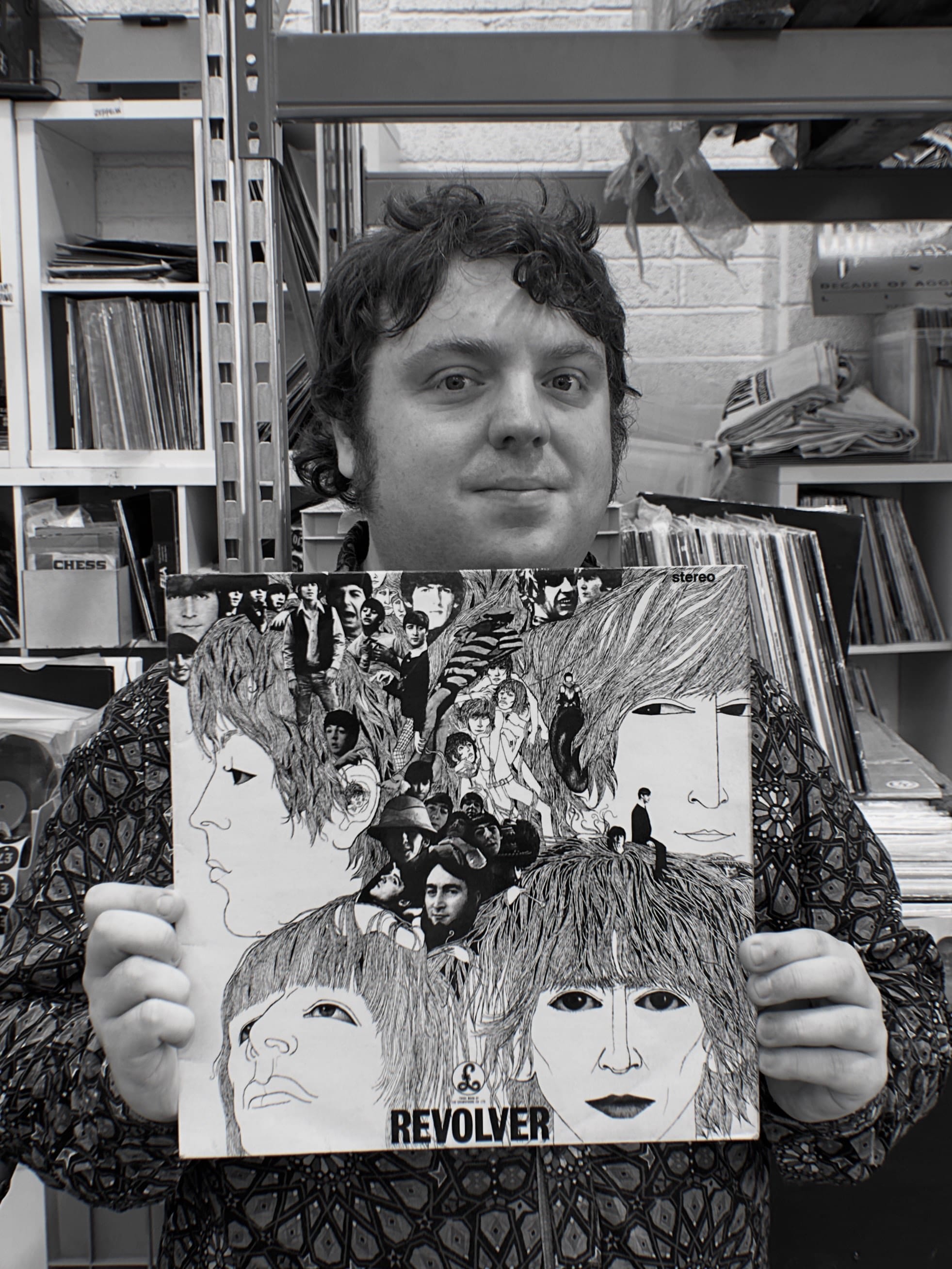
3. Revolver (1966)
Frankly, this could be my number one, but its indie credentials dictate that it can’t be too high in the charts.
It’s the indie kid’s choice! Revolver has long been the “cool” Beatles album, if it really matters; it resembles modern rock the most out of their records, and the Britpop generation in particular made a lot of music in its image (there’s two Noel Gallagher / Chemical Brothers collaborations based on Tomorrow Never Knows - everyone's entitled to two, aren’t they?). It wasn’t always this way. Back in 1966, Revolver got more than its fair share of slings and arrows; The Kinks’ Ray Davies, reviewing it for Disc and Music Echo, bemoaned “the newer electronic stuff” while The Overlanders, a middle-of-the-road vocal group who’d scored a UK #1 covering Michelle, called the album "absolutely useless”. Forget about them; this was the first Beatles album I listened to, and I had it on in the car until my nan, not one to upset the applecart, finally got sick of it. Frankly, this could be my number one, but its indie credentials dictate that it can’t be too high in the charts.
Key track: Eleanor Rigby
60 years of Revolver: To celebrate the 60th anniversary of The Beatles' Revolver (released 5th August 1966), we are hosting three listening parties, followed by a Beatles-themed quiz at Rough Trade Nottingham, Rough Trade Bristol (hosted by our very own Huw Thomas) and Rough Trade Liverpool this August. Bring your A-game as there are big prizes to be won!

2. Sgt. Pepper's Lonely Hearts Club Band (1967)
Sgt. Pepper was once universally considered The Beatles’ greatest and most important album. I see no reason why it shouldn't be, but its star has dimmed ever so slightly over the years. I have a theory about that. We know Pepper was recognised as a game-changer immediately (Kenny Everett's contemporary BBC radio programme Where It’s At is testament to this), but what is never mentioned – probably because it's not a very hip thing to publicise – is that it brought the mums and dads in. The Edwardiana, the East meets West orchestration, the Lewis Carroll-inspired lyrics all had strong appeal to a middle-aged crowd too old to rock and roll. I think that's both a huge part of why the album stuck in "high culture" and why it eventually was knocked from its perch above all other Beatles albums. The kids started to get sick of an album commemorated in multiple documentaries and radio programmes. Never mind – I still think Sgt. Pepper is a peerless 20th-century artefact, Britain’s post-war arts boom summed up in 39 minutes. Rock music’s Festival of Britain. It really doesn't get much better.
Key track: Within You Without You

1. The White Album (1968)
We've all got a favourite. The White Album is mine. It’s the Beatles album where Lennon, McCartney and Harrison are all at their absolute peak as songwriters. The Beatles album with the full spectrum of what they were capable of. The Beatles album that holds the most mystery, plonked in their canon like that obelisk in 2001: A Space Odyssey. It gets progressively more haunting as it goes along and I’ve never fully adjusted to it. I hope I never do. What is that gibberish in I’m So Tired? Can anyone take Paul back where he came from? Why is the end of Long, Long Long so eerie? Don’t listen to the naysayers who wish it had been cut-down; no single album version could have been as thrilling. Oh, and Revolution 9 is one of the best things they ever did. It's the bloody Beatles White Album - shut up.
Key track: Martha My Dear
Honorary Mentions
I think it goes without saying that all Beatles music released from 1962 to 1970 is worth your time. Ranking their albums feels like arranging rulers by length; the bar here is very high. Beatles for Sale (1964) is their only studio album proper that I have left out of this list, and that's a fine album.
There are some major omissions from this list. Magical Mystery Tour, originally released in the UK as a six-track double EP, is an indispensable part of the Beatles’ catalogue and it is usually included in the official canon of their albums. I chose to leave it out because its album iteration, originally created for the North American market, is filled out by five unrelated 1967 songs, and I think it would be unfair to pit a release that is half-compilation against bona fide studio albums. I discounted Yellow Submarine for a similar reason; it contains only four new Beatles tracks, though two – Hey Bulldog and It’s All Too Much – are among the band’s best songs.
Some of The Beatles’ greatest songs are not represented here as they never appeared on their studio albums; these stray hits, B-sides and EP tracks are collected on Past Masters, an essential listen for any fan.
The Beatles’ compilation albums are not included here, but they still hold a lot of value. For a one-album summation of the Beatles, I think 1 – a single-disc compilation offering simply the band's 27 UK or US number ones issued between 1962 and 1970 – is hard to criticise. The Red and Blue albums, originally issued in 1973 and expanded for their anniversary in 2023, are perhaps less essential to a modern fan. I think a better extended summation of what the Beatles were about is Love, the 2006 soundtrack to their Cirque du Soleil show. George Martin (in his last major production project) and his son Giles remixed The Beatles’ music into a psychedelic soup that grows more rewarding every listen.
Finally, if Sir Paul McCartney is reading and disagrees with any part of this article: give me a visit at the Rough Trade warehouse, Paul - we can work it out.