
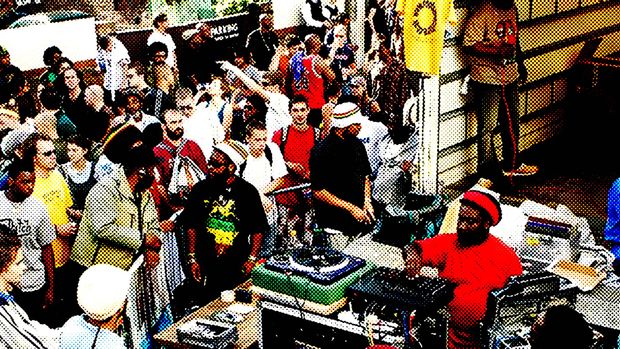
"The only good system is a sound system. One of those quotes that isn’t attributed to anyone but rings as loud and true as a bassline rattling through a towering stack of speakers."
The story of reggae and sound system culture has always been one of movement. An immense legacy that has only been building since originating in the Caribbean in the 1940s. Stacks of speakers first staggered upon the streets of Kingston, Jamaica, able to be packed up and transported around by a tight-knit crew of DJs, vinyl record collectors, and self-made sound technicians who all shared an infectious love for reggae music and its associated sounds.
As ska and rocksteady evolved into reggae and dub, the Windrush generation carried this culture to Britain, where it became embedded in Black British life and our developing underground music scene. By the late 1970s, reggae and punk had formed a particularly symbiotic relationship, growing through independent labels, DIY spaces and record shops where scenes could meet outside of the mainstream. Releases such as Junior Murvin’s Police and Thieves, later covered by The Clash, Bob Marley and the Wailers’ Punky Reggae Party and The Slits’ Dennis Bovell-produced Cut capture the creative exchange which characterised these two genres' connection at the time.
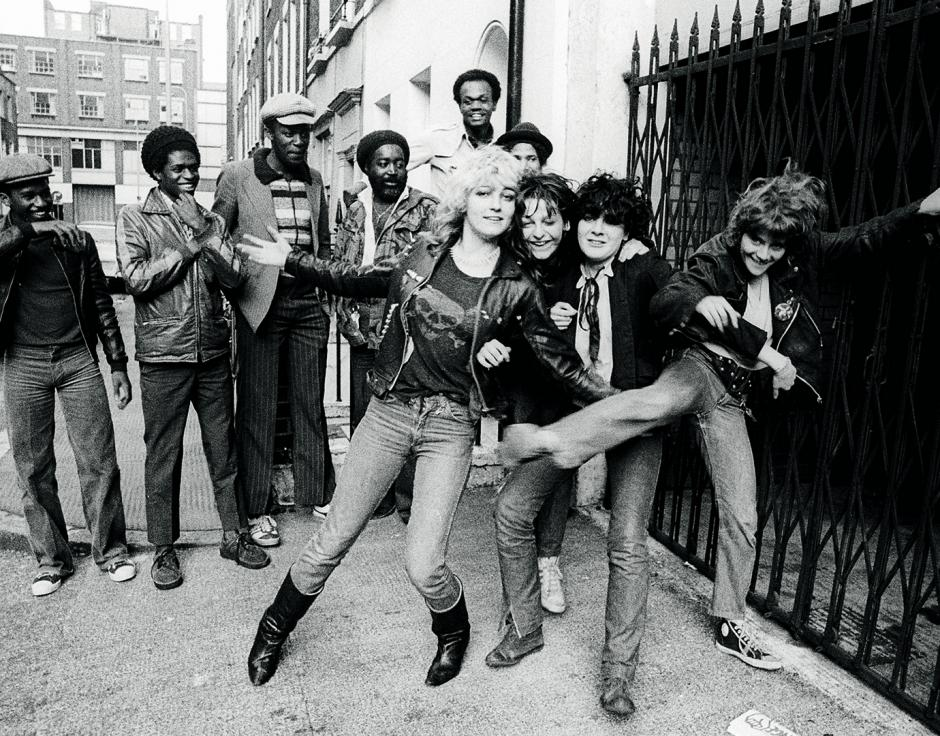
It was this British alternative culture which set the scene for Rough Trade's earliest days, opening on Kensington Park Road in West London in 1976; our original shop sat alongside the multicultural counterculture of Notting Hill and Ladbroke Grove, where Caribbean communities, reggae sound systems and punk musicians shared the streets and stages. The annual Notting Hill Carnival is rooted in both the celebration of this thriving scene and protest, resisting the racial tensions of the time, which came to a head after the racist murder of Antiguan carpenter Kelso Cochrane in Notting Hill in 1959. In 2026, we celebrate 60 years of Notting Hill Carnival; 60 years of towering sound systems which have been passed down to younger generations, giving them the responsibility to remind us how Caribbean culture and its music have fundamentally shaped and enriched British life
From lovers rock to rocksteady, dance music and viral samples, our Marketing and Content Manager Georgia Mulraine revisits ten essential reggae and dub albums and their bass-shaking legacies.
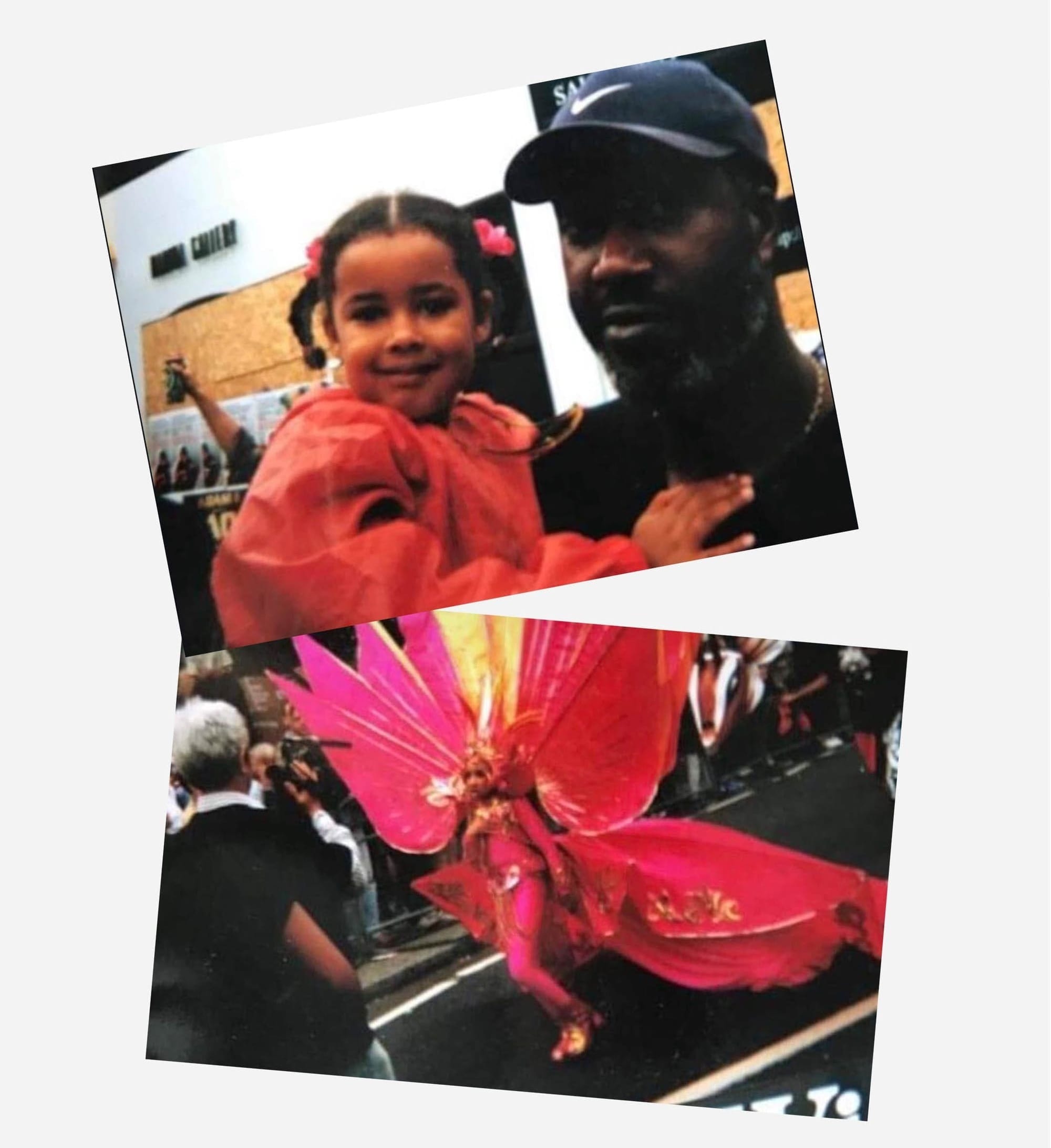
I have hazy memories of going to my first carnival aged 5, tooting on whistles with coloured straps and being carried around to avoid being trampled on by the crowds as a small person. I was amazed by the parades, the bright, colour-themed crews with people in satin, feathers and headdresses - I particularly remember seeing one woman in pink and gold - who I thought was the most beautiful person I would ever see. Over two decades on, I am still heading to Carnival (now being able to walk on my own two feet), usually settling in at East Row to see British (an East Londoner born to Antiguan parents) reggae and dub icon Aba Shanti-I operate his legendary sound system, which has been a resident of Notting Hill Carnival since 1993. The volume is not for the fainthearted, but I truly believe there's not much better feeling than physical bass so heavy it moves through your entire body rather than just your ears. Just remember your earplugs.

Jimmy Cliff - The Harder They Come (1972)
More than a soundtrack, The Harder They Come was the compilation that soundtracked Perry Henzell’s legendary film. The album operates like a miniature sound-system session where singers, harmony groups and DJs share the record. You've got Cliff’s defiant title track, and You Can Get It If You Really Want, Toots and the Maytals’ Pressure Drop, the Melodians’ Rastafarian standard Rivers of Babylon, Desmond Dekker’s Shanty Town.
Island Records released the soundtrack in Britain, followed by its Mango imprint in North America, effectively repackaging records made for Jamaican dances and jukeboxes as a coherent international album. Many go as far as to claim success created space for Island’s subsequent work with Bob Marley and the Wailers and Toots and the Maytals - some legacy.
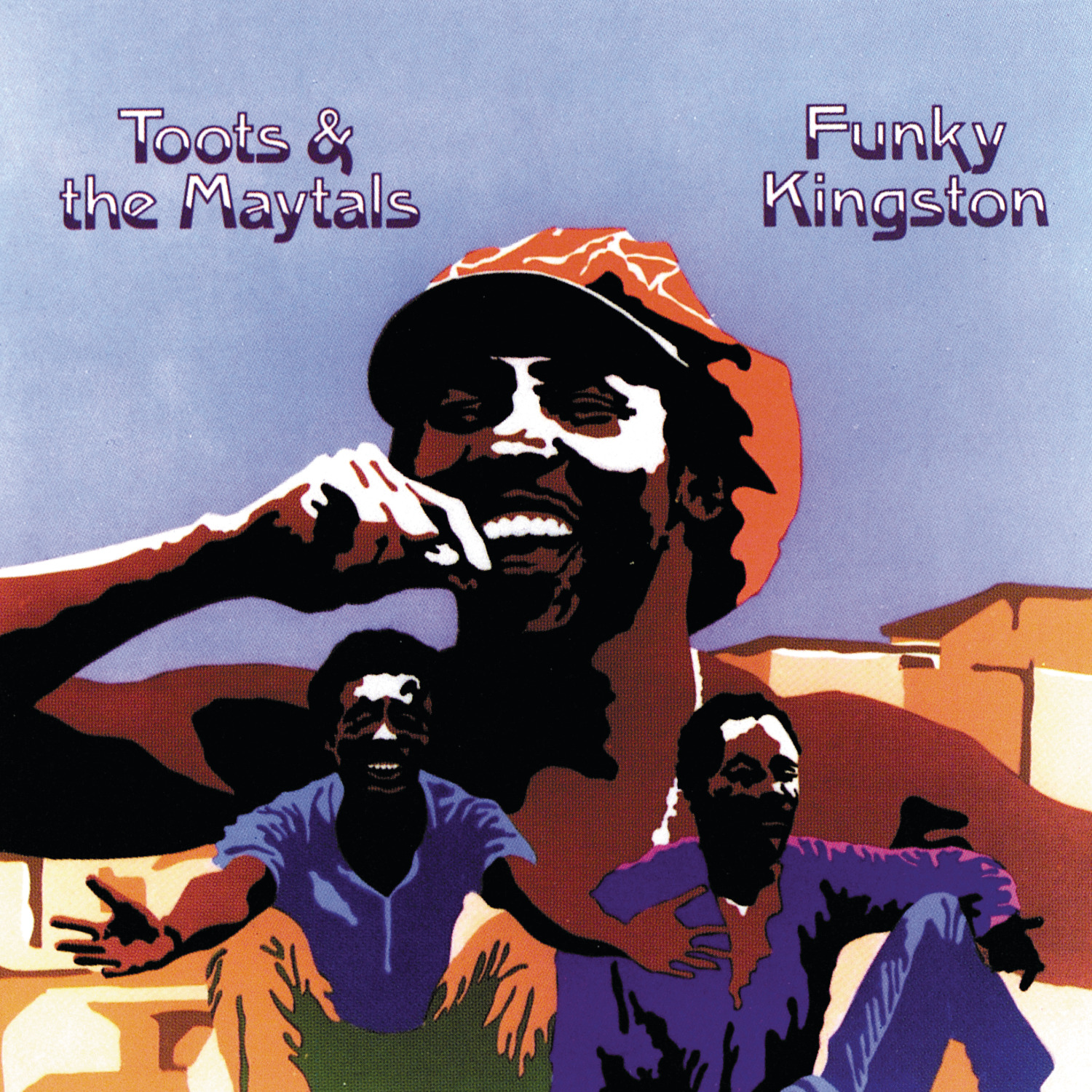
Toots and the Maytals - Funky Kingston (1973)
"Almost heaven, West Jamaica True ridge mountains, shining down the river"
Toots Hibbert, Raleigh Gordon and Jerry Matthias' full-length statement. Funky Kingston was recorded primarily at Dynamic Sounds in Kingston, produced by Warwick Lyn, Dave Bloxham and Island founder Chris Blackwell. The Maytals were already veterans of Clement “Coxsone” Dodd’s Studio One, Jamaica's first Black-owned recording studio, founded in 1963 in Kingston, evolving the sound of ska and rocksteady before helping name reggae itself with their track Do the Reggay.
Toots’ church-trained voice leads the Maytals’ harmonies atop a disciplined rhythm section, with nods to soul, funk, rock, and country, helping make the music appeal to a variety of music lovers and everyone who didn't realise they needed a reggae version of Country Road in their life.

Marcia Griffiths - Sweet and Nice (1974)
Originally issued in Jamaica as Play Me Sweet and Nice, Marcia Griffiths’ debut 1974 solo album occupies an important space between rocksteady, soul-reggae and the emerging language of lovers rock.
This album's significance to sound-system culture lies in the mood: romantic vocal cuts which cooled the atmosphere following harder roots and dub records. Griffiths also had ties to Coxsone Dodd's Studio One (the Motown of Jamaica) before forming Bob and Marcia with Bob Andy. Their version of Nina Simone’s Young, Gifted and Black, released internationally through Trojan, demonstrating how Jamaican arrangements could reshape international soul.
In the same year as releasing her debut, Griffiths joined Rita Marley and Judy Mowatt in the I-Threes, one of reggae's most famous all-female vocal collectives who harmonised for Bob Marley & The Wailers. In a genre, like many, traditionally dominated by male artists, Marcia is a real-life living legend and pillar of reggae.
"Reggae enthusiasts might debate extensively who is the forefather of dub, but it's inarguable that King Tubby, if not the creator of dub, is at the very least one of its most valuable innovators."

King Tubby - Dub From The Roots (1975)
Osbourne Ruddock, better known as King Tubby, transformed the mixing desk from a recording tool into an instrument in its own right. Tubby stripped reggae recordings to their foundations, then rebuilt them through reverb, tape delay, echo and dropouts. Dub from the Roots has this radical approach, a studio mix that feels live and unstable, open to abstraction.
Tubby's work is entwined with Jamaican sound system culture. Dub versions grew from the “version” sides of singles, giving selectors exclusive material and deejays space to toast. Tubby’s methods reshaped sound system performance and laid foundations for remix culture in hip-hop, post-punk and modern dance music. They do say, 'The only good system is a soundsystem.' One of those quotes that isn’t attributed to anyone but rings as loud and true as a bassline rattling through a towering stack of speakers.
Reggae enthusiasts might debate extensively who is the forefather of dub, but it's inarguable that King Tubby, if not the creator of dub, is at the very least one of its most valuable innovators.
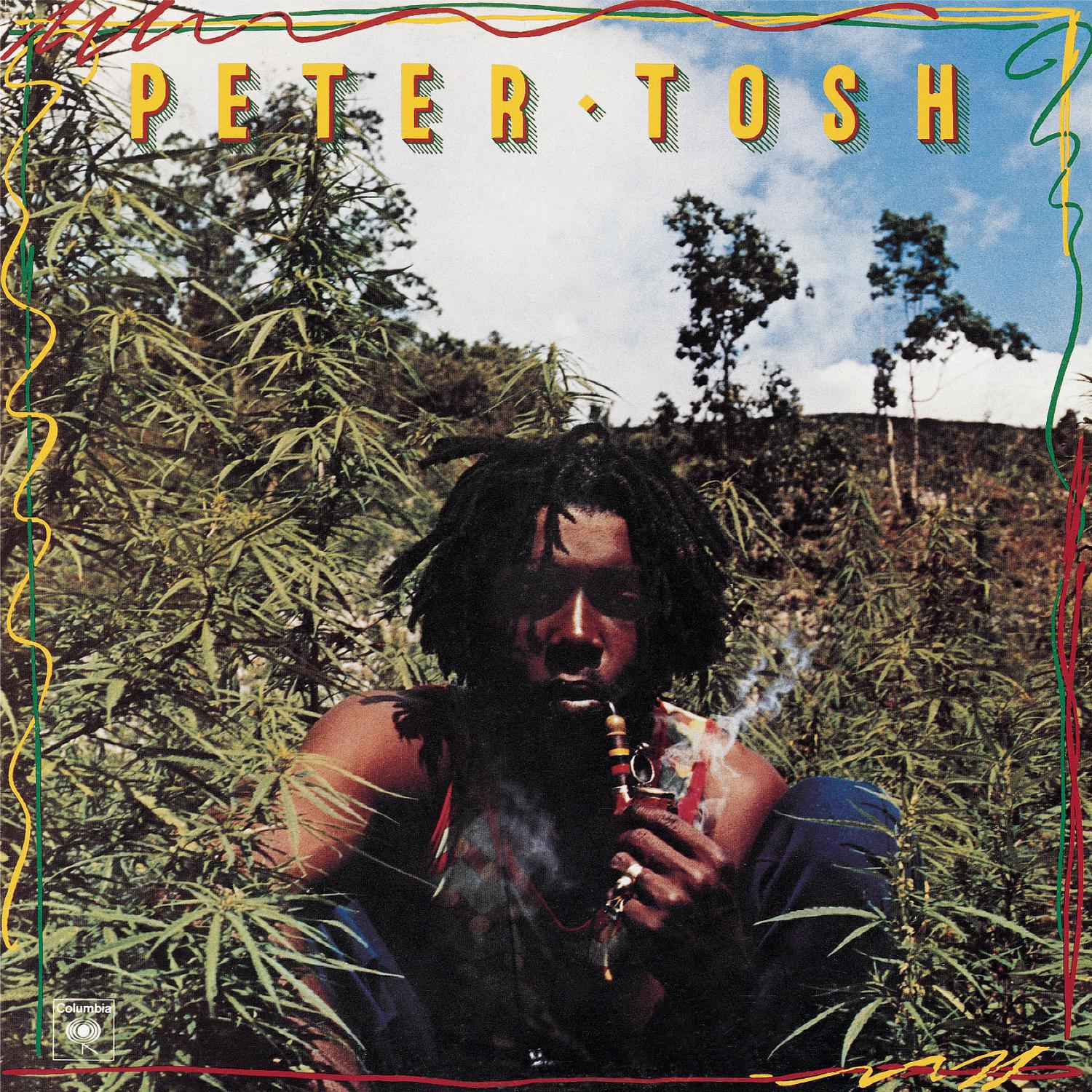
Peter Tosh - Legalize It (1976)
Peter Tosh learned vocal harmony alongside Bob Marley and Bunny Wailer in the Wailers, recording for Studio One before working with Lee “Scratch” Perry and eventually Chris Blackwell’s Island Records. When the original trio fractured, Tosh embarked on a solo career, releasing an album of ideal sound-system material due to its defiant nature, speaking up against drug laws, systemic injustice, and political corruption. People called him the "Stepping Razor" because his lyrics and message were sharp and uncompromising. He fought hard for human rights and against police brutality, but this loudness unfortunately rubbed people up the wrong way, with Tosh being tragically murdered by three intruders in his home in Kingston. The album was, in fact, banned in Jamaica upon release due to its explicit political advocacy for cannabis, but upon reflection of its subversive nature, this only spurred the song on to become a global anthem for personal freedom.

Lee “Scratch” Perry and the Upsetters - Super Ape (1976)
Lee Scratch Perry knew how to make a recording studio behave like a sound system. Created at his Black Ark studio and credited to the Upsetters, Super Ape is a work of bass, drums, percussion, vocal fragments and samples. Croaking Lizard, for example, reworks his production for Max Romeo: the seminal Chase the Devil (famously also sampled by The Prodigy in Out Of Space, released in November 1992 on XL Recordings as part of the debut album Experience)
Perry performed his compositions at the mixing desk, dropping instruments in and out as a selector might manipulate versions, microphone chatter and effects during a dance. His use of tape saturation, reverb, delay and recycled rhythms anticipated hip-hop production, remix culture, post-punk, trip-hop, jungle and dubstep. Yet its governing logic remains that of Jamaican soundsystem culture: the engineer is a performing artist.

Bob Marley and the Wailers - Exodus (1977)
Recorded after the 1976 attempt on Bob Marley’s life, Exodus is really an album about displacement, yet it's got so many uplifting moments at the same time.
Exodus helped reggae command rock venues and radio. The title track is especially important to dance culture: bass-led, the epitome of physical momentum. Jamming explicitly celebrates communal music-making, while Waiting in Vain, Three Little Birds and One Love/People Get Ready demonstrated how the same ensemble could move between roots, romance and international pop. And of course, we must acknowledge the I-Threes (Rita Marley, Marcia Griffiths and Judy Mowatt) who answer Marley with harmonies rooted in gospel.
Exodus is Marley’s global masterpiece, and there is no debate that Bob was not the ultimate global ambassador of the genre.
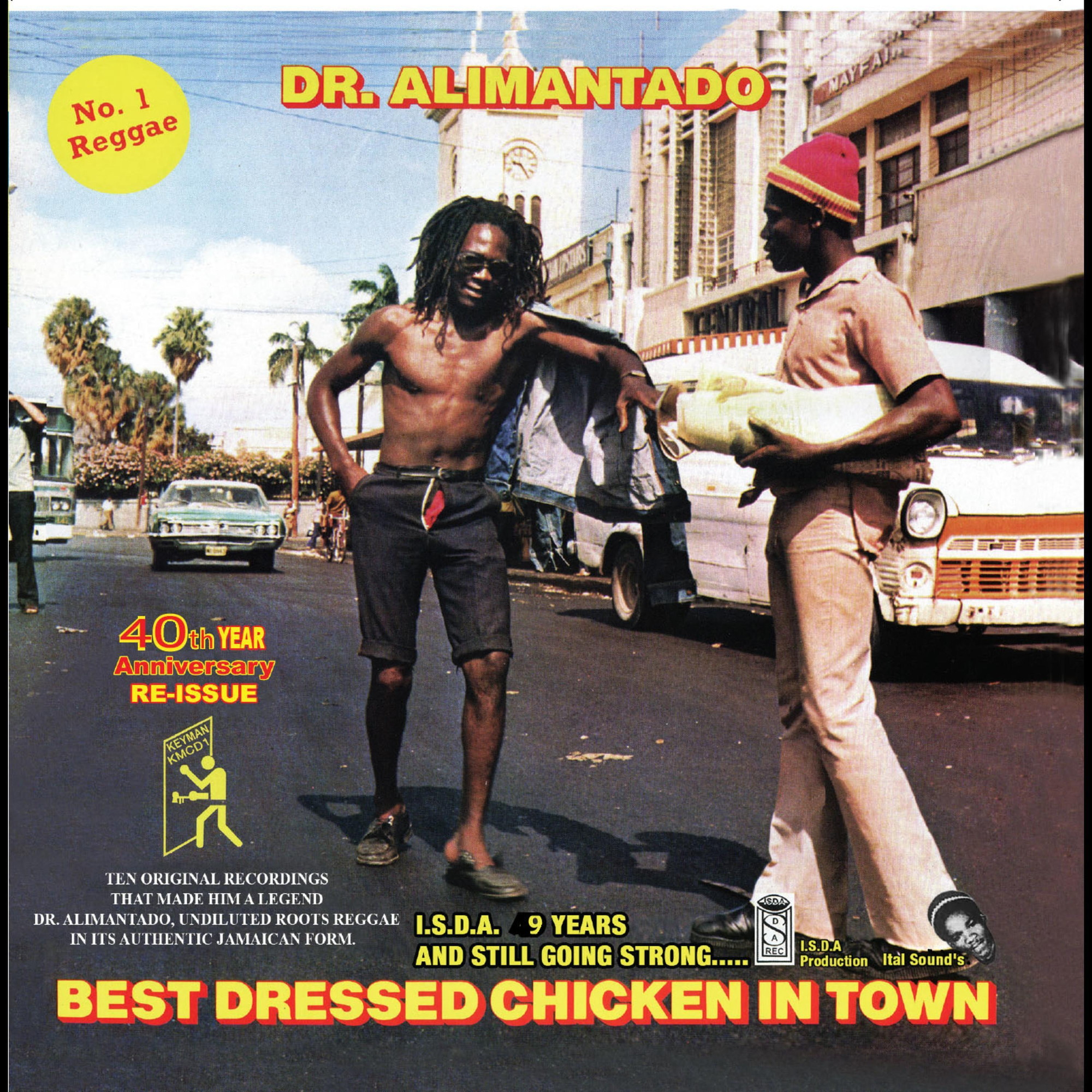
Dr Alimantado - Best Dressed Chicken in Town (1978)
Dr Alimantado, born Winston Thompson, was a deejay rather than a conventional singer, building performances through boasts, social commentary, humour and rhythmic speech.
Best Dressed Chicken in Town gathers singles recorded between 1972 and 1978, and the names involved with this record are phenomenal: the tracks passed through Black Ark, Channel One, Randy’s and King Tubby’s studio; you hear the voices of Horace Andy (legendary Jamaican roots reggae songwriter and singer and frequent Massive Attack collaborator). John Holt and Gregory Isaacs: the title track reimagines Andy’s version of Ain’t No Sunshine. This process, a producer cutting a rhythm, a singer voicing it, the engineer dubs it, this was the engine of Jamaican sound-system innovation.
It became the first LP issued by Greensleeves Records, the West London shop-turned-label that would later distribute crucial music by Yellowman, Eek-A-Mouse, Barrington Levy, Scientist and Augustus Pablo. Admired by Johnny Rotten and other British punks, Alimantado helped connect dancehall practice with London’s punk underground and, in fact, Dr Winston Alimantado himself was a regular visitor to our Rough Trade West store, bringing his own records in for us to sell. Our history with Alimantado is celebrated as part of our Rough Trade 50th Anniversary vinyl series, with the inclusion of Best Dressed Chicken in Town in Drop One, 1976-1985.

The Slits - Cut (1979)
Cut is not a Jamaican reggae album, but it is one of the clearest examples of sound-system culture remaking British post-punk. The Slits—Ari Up, Viv Albertine and Tessa Pollitt, joined in the studio by drummer Budgie—had emerged from London’s punk collective around the Clash, the Sex Pistols and the 1977 White Riot tour. By their debut, however, they had moved beyond punk, discovering syncopation and bass through reggae.
Cut wouldn't exist without Dennis Bovell, producer, dub engineer, member of Matumbi and architect of British lovers rock through recordings with Janet Kay (singer of iconic lovers rock anthem Silly Games - one of the greatest songs of all time) Bovell treated the band with techniques derived from Jamaican studios and sound systems making the bass more melodic and dominant and the drums and percussion surrounded by echo.
"Dennis (Bovell) corralled us into shape and tidied up all the ends, but without trampling on creativity. It was so rare for a man in the 1970s to put himself inside the heads and hearts of four crazy young women."
Viv Albertine, The Guardian, 2013
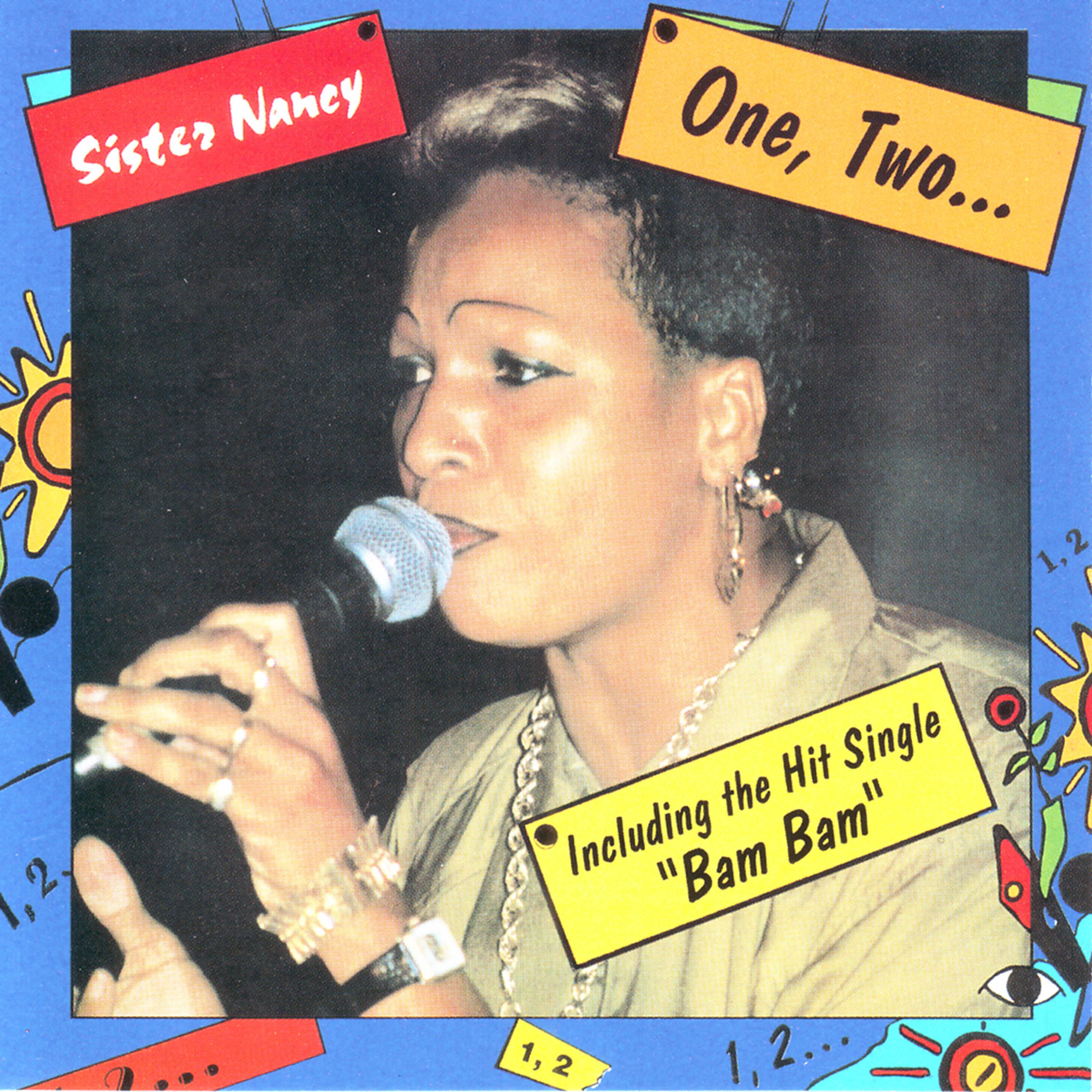
Sister Nancy - One Two (1982)
"I'm a lady, I'm not a man / MC is my ambition"
One Two was recorded at Channel One (the Jamaican studios that inspired the name of famed UK soundsystem Channel One, established in London in 1979 by brothers Mikey Dread and Jah T). This record captures the transition from roots reggae to the early dancehall, a dominating subgenre at Notting Hill Carnival and beyond. Sister Nancy, born Ophlin Russell, learned to deejay around live sounds and alongside her brother Brigadier Jerry, one of the great mic practitioners associated with Jah Love Muzik. Entering a male-dominated culture, Sister Nancy is an inspirational figure, proving that a woman could command the same riddim-and-microphone arena as the men. One Two's defining track, Bam Bam, birthed an instrumental which would eventually underpin hundreds of recordings, entering hip-hop, electronic music and global club culture as one of the most sampled reggae songs in history.
P.s - Sister Nancy was rocking thin eyebrows before any other generation said it was cool.