
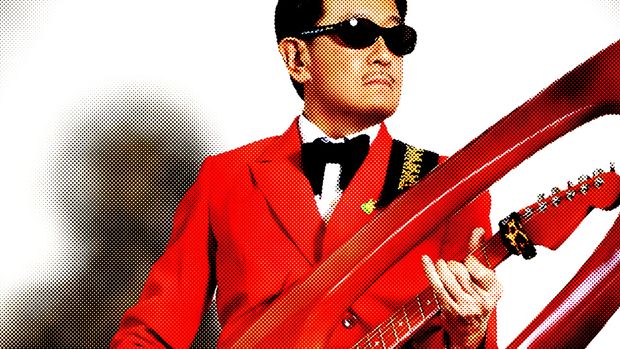
Vibrant, breezy, funky and tropical, Seychelles' arguably codified much of the vibe of what the world would come to know as city pop
Japanese city pop has travelled far beyond its 1970s and 1980s origins, inspiring a new global audience with its sleek blend of jazz, funk, soul, disco and sunlit pop. That revival reaches a landmark moment in August 2026, when guitar virtuoso Masayoshi Takanaka headlines City Pop Waves at Crystal Palace Bowl, London’s first outdoor festival dedicated to city pop. Today, the scene's global revival audience treats Takanaka as a pioneer of the scene. Though his style can more closely be described as jazz fusion and instrumental rock, focused on guitar work, Takanaka's rise occurred in the same cultural era, and a similar smooth, tropical and upbeat aesthetic characterises much of his work.
In celebration of city pop's resurgence, we explore ten essential Japanese city pop albums in the safe hands of Rough Trade Nottingham's very own city pop enthusiast Jono Beard. From Takanaka’s tropical masterpiece Seychelles to cult favourites by Taeko Ohnuki, Haruomi Hosono, Junko Yagami and more.
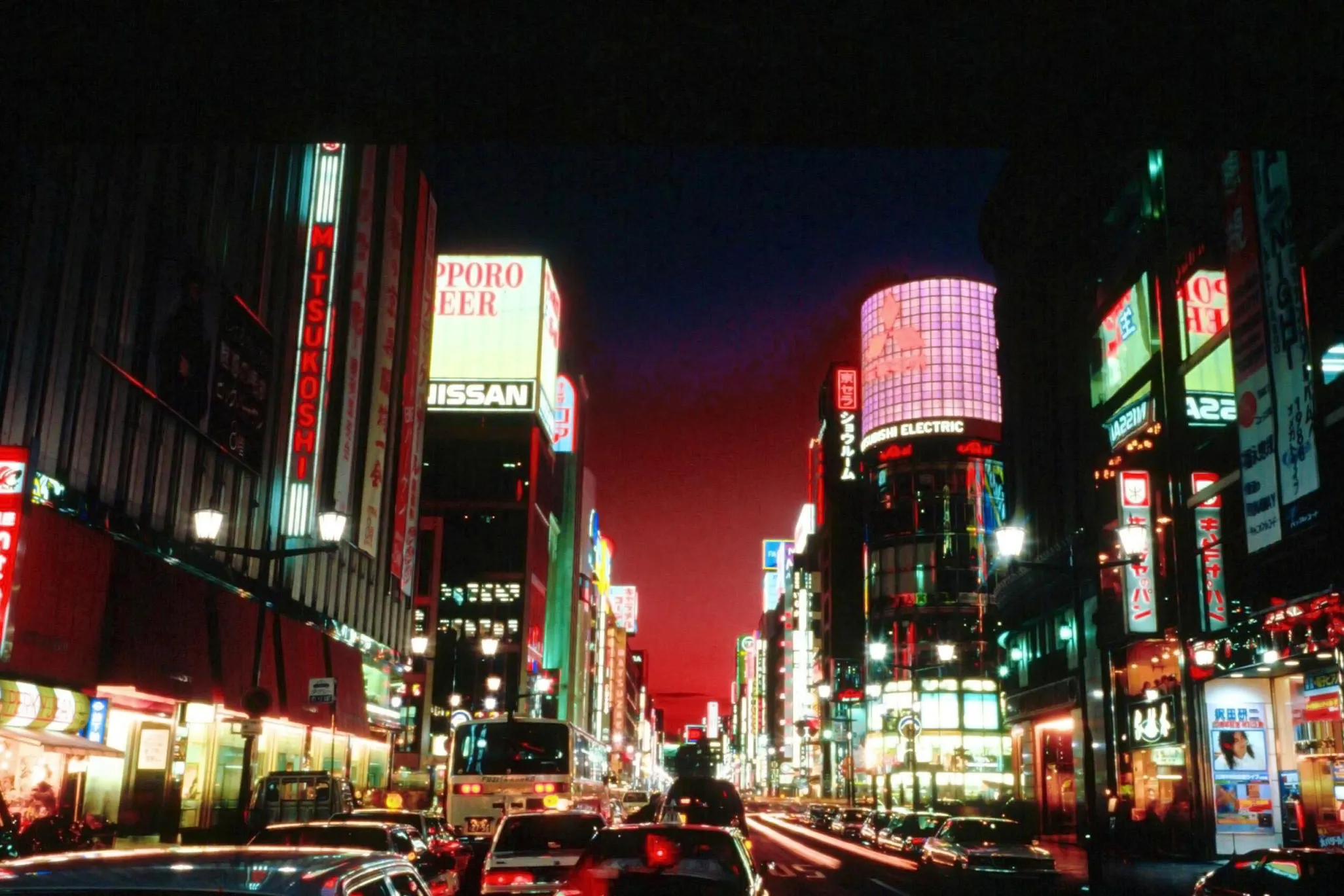
Sun-soaked, geometric vistas stretch out unmarred while artificially perfect palm trees stand sentinel against the bluest sky you've ever seen. Neon signs glow iridescent pink, skyscrapers stretch into the night, litter-less freeways lead you to an urban existence of endless romance and possibility... Perhaps more so than any other genre, the term "city pop" describes more than just the sound of the music. It's an era but also an aesthetic, a vibe, a feeling, a lifestyle.
An enigma of dualities; it can be at once quaint and aspirational, shallow and profound, retro and futuristic. It belongs to a time and a place that most Western fans will never know, and which maybe never truly existed. For devotees of Japanese music, city pop as a name can be a slightly contentious delineation. At the time, it was generally known as "new music" in Japan. This movement began with an underground wave of singers, musicians and songwriters who were influenced by American music (particularly the folk revival of the 60s) and developed to be equally influenced by jazz, funk, soul, disco, boogie, synth pop and more, and "city pop" was coined in the late 70s as a way to distinguish this new, exciting sound.
Perhaps more so than any other genre, the term "city pop" describes more than just the sound of the music. It's an era but also an aesthetic, a vibe, a feeling, a lifestyle.
Japan had the second-largest music market in the world during this time, so there are many more artists, groups and albums to mention than I'll have room for here. So, dear reader, all I really aim to do is to share a few of my thoughts about ten chronological examples of some of the greatest music ever made.
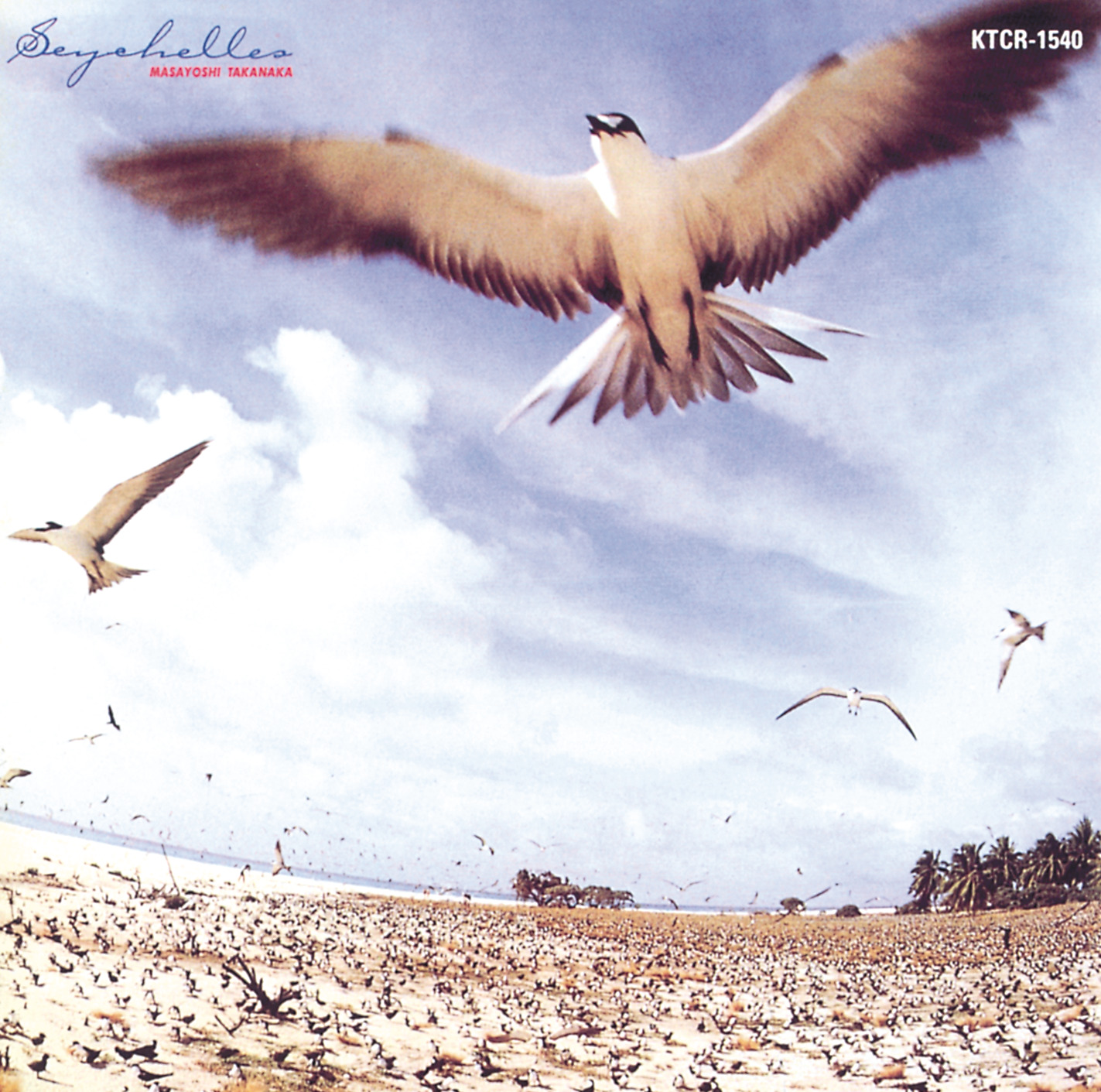
Masayoshi Takanaka - Seychelles (1976)
Released in the summer of '76, this is a quintessential release and one of the earliest (pipped to the post by a few seminal records from the previous year, including Sugar Babe's Songs). The sound could probably just as easily be described as jazz fusion, with Takanaka's virtuosic guitar lines reminiscent of Carlos Santana. Vibrant, breezy, funky and tropical, Seychelles arguably codified much of the vibe of what the world would come to know as city pop. Like yacht rock, these songs are light and easy to listen to, and like yacht rock, the secret star of the show is the musicianship. Takanaka’s intricate arrangements showcase an artist already fully formed as an auteur, and he would go on to release many such masterpieces.
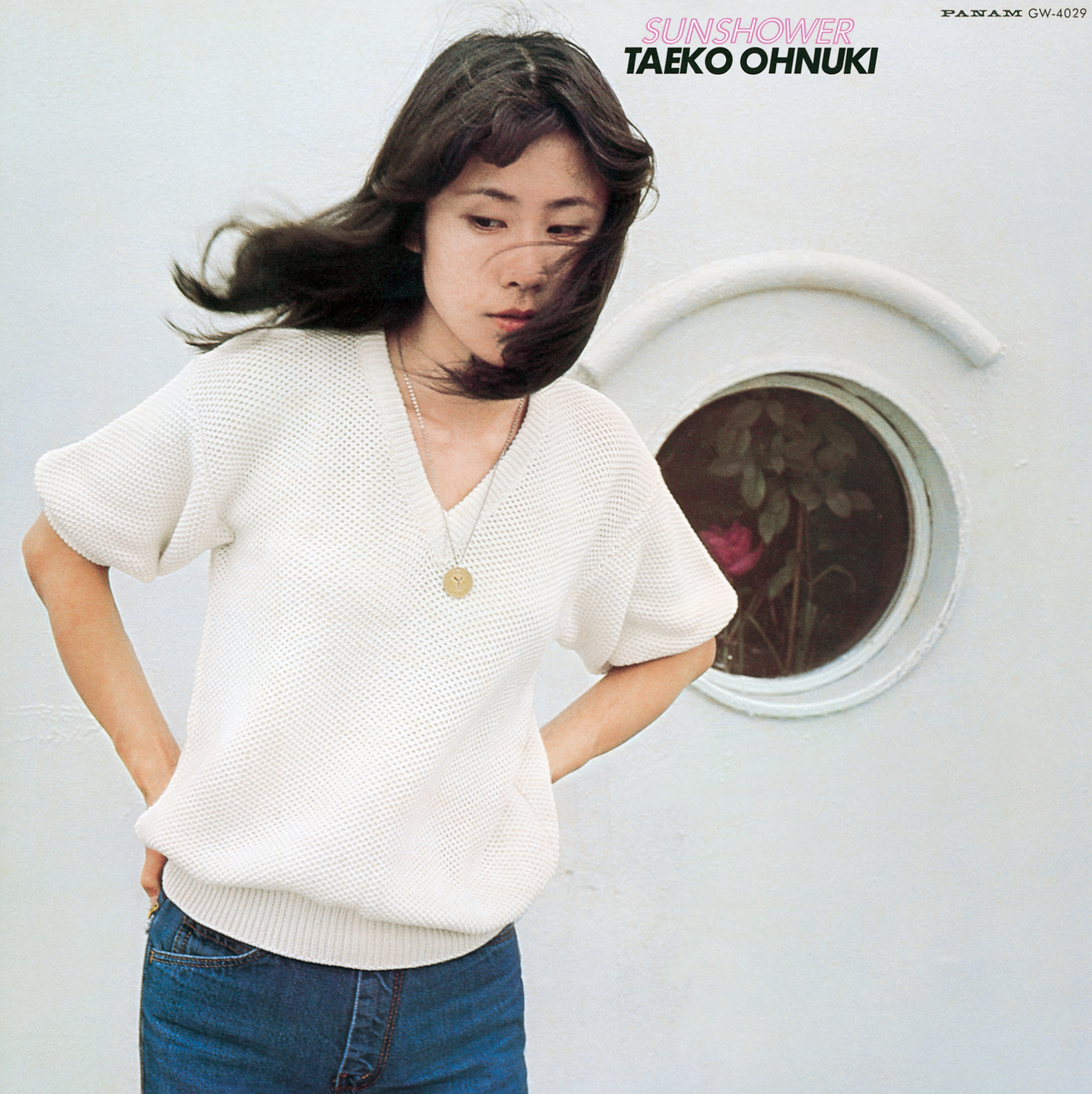
Taeko Ohnuki - Sunshower (1977)
A founding member of the previously mentioned Sugar Babe, Ohnuki followed up the promise of that band (and her 1976 debut solo release Grey Skies) with her sophomore record, Sunshower, in 1977. Way back in the early 2010s, I was but a youth becoming interested in Japanese music, and I remember this being one of the first Japanese albums I read about online, so it's been acclaimed outside of Japan for a relatively long time now. We are still technically in the era of New Music, but pointing decidedly towards a more commercial, funky sound that would end up dominating the next decade of city pop. This funkiness in the arrangements (by a pre-Yellow Magic Orchestra Ryuichi Sakamoto) is offset by Ohnuki's voice: lovely and high with a pure, airy tone that's more quirky than sensual. Sakamoto also provides the rippling synths on the spooky penultimate track Sargasso Sea.
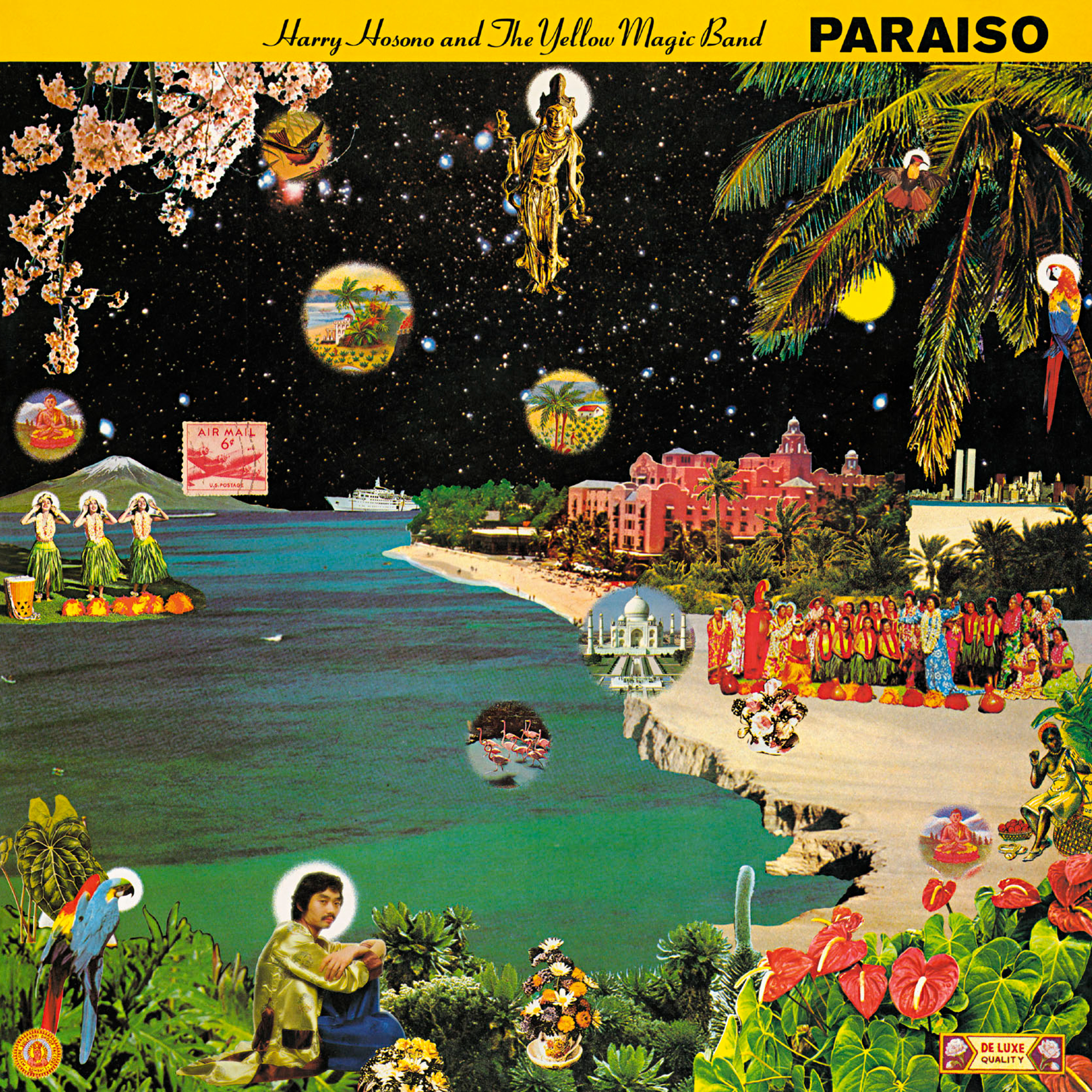
Haruomi Hosono - Paraiso (1978)
One of the wackier albums on this list, and one which somewhat supports the reputation for cute, goofy weirdness that tends to dog Western perception of Japanese pop culture. But this is, above anything else, a supremely fun and uplifting album - a more psychedelic combination of exotica and tropicalia than city pop typically offered up, bringing to mind something akin to Little Feat fronted by Bill Withers and produced by Les Baxter.
The pioneering Japanese musician, producer, composer, and founding member of Yellow Magic Orchestra and Happy End returns with his 23rd studio album, and first new release in seven years: Yours Sincerely.
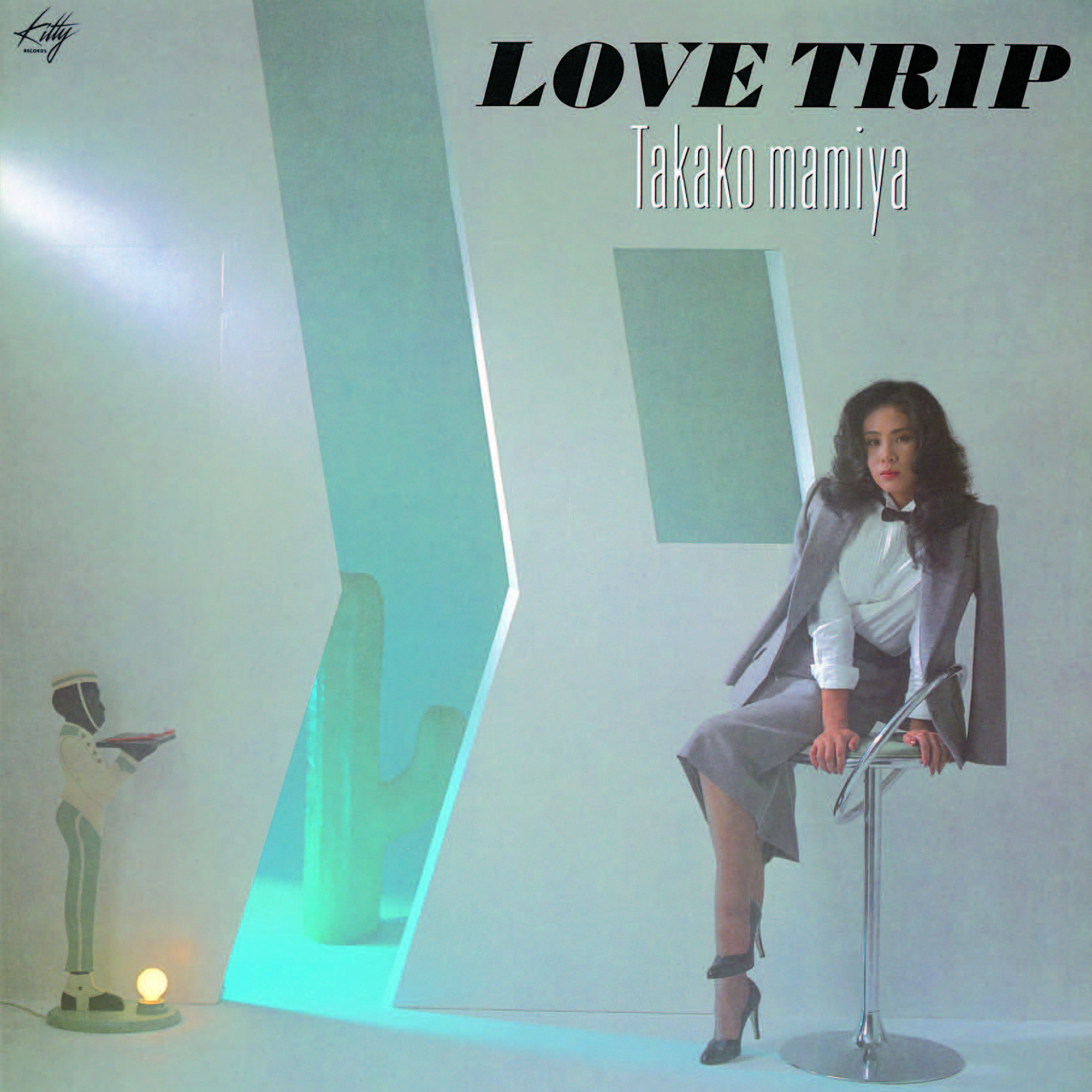
Takako Mamiya - Love Trip (1982)
From the effortlessly classy sleeve to the iconic Kitty Records centre label, the aesthetics alone seemed to indicate a cult classic. Add to that the enigmatic story of the singer herself (this is the only record she ever released), and you've got the makings of an internet-era legend. But appropriately enough, it's really the music within that does the heavy lifting in that regard and ensures Love Trip is far from over-hyped. Existing somewhere in an intersection between city pop, sophisti-pop and smooth jazz, most of the songs here wouldn't sound out of place on a playlist with tracks from Roxy Music's Avalon, Randy Crawford's Secret Combination, or Everything But The Girl's The Language Of Life. Which is to say, sophisticated, opulent and with more than a hint of yuppie ennui.
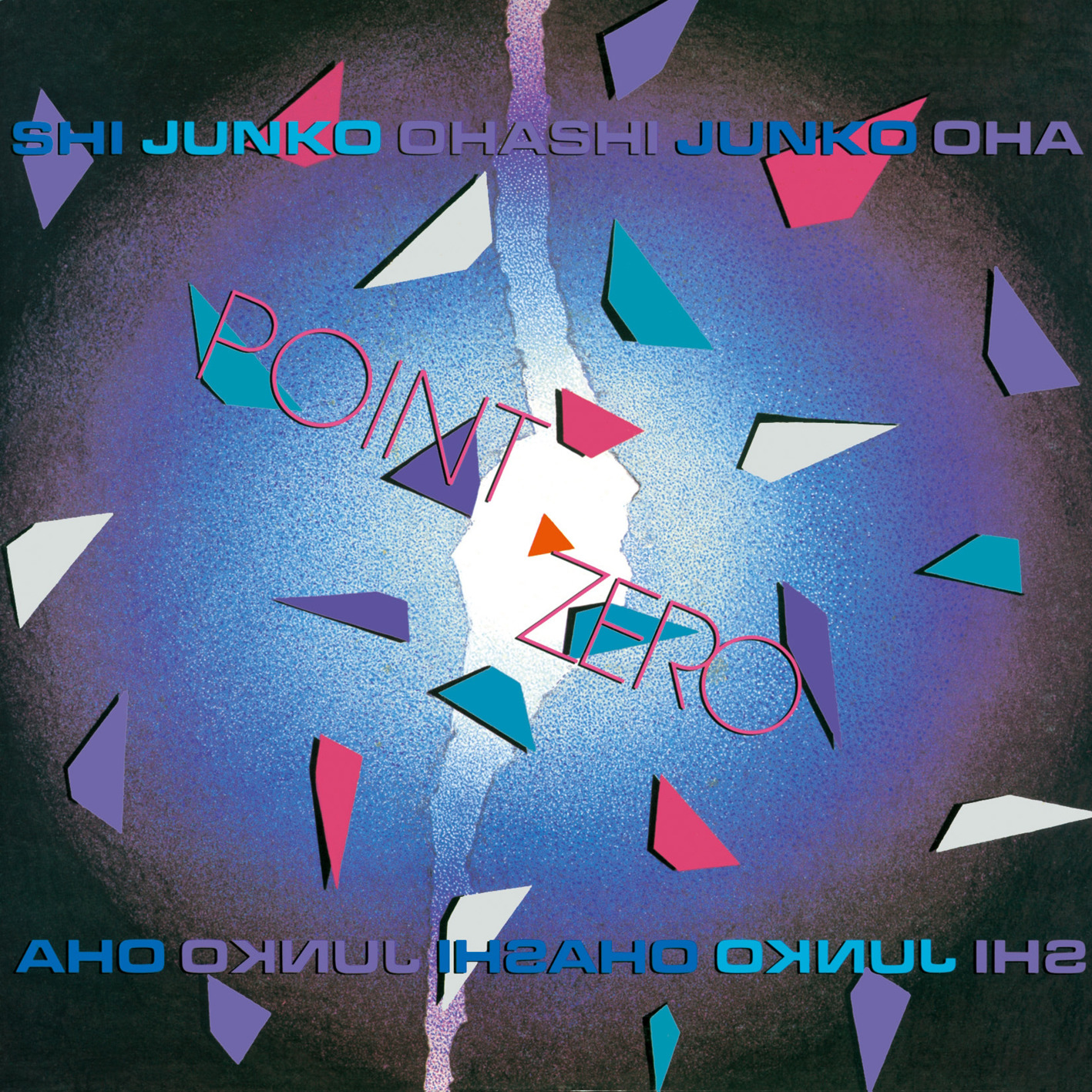
Junko Ohashi - Point Zero (1983)
Possessing one of the most soulful voices in any genre, Junko Ohashi's most famous album is actually a compilation titled Magical. Much more interesting for me, however, is her 11th LP, Point Zero. Recorded in New York with various session legends, it's a kaleidoscopic, exciting and relatively experimental post-disco record, bookended by the bona fide gold-standard boogie classic Dancin and the über-catchy closer Sugao no Mama de (which could very well be my favourite city pop song ever), with the futuristic Sensual Night providing evidence of a musical sensibility that was rather ahead of its time. Another must-listen.
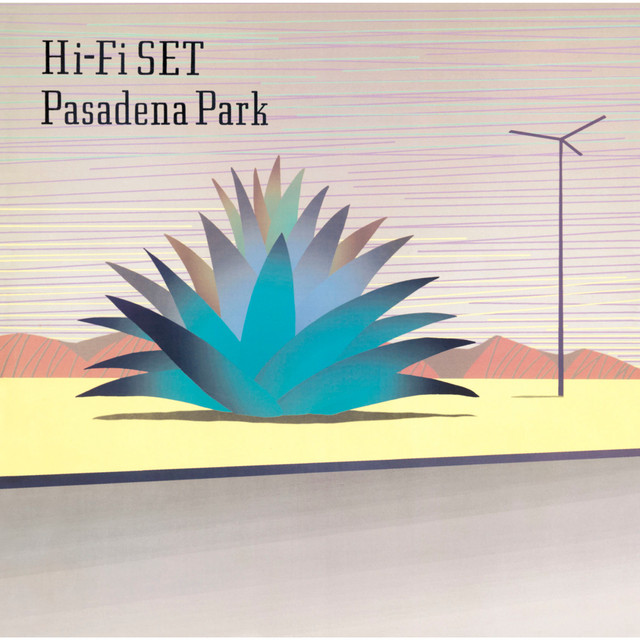
Hi-Fi Set - Pasadena Park (1984)
Rising from the ashes of the very folky Akai Tori (aka The Red Birds), Hi-Fi Set went on to pair their close vocal harmonies with jazzier, funkier rhythms and the occasional dash of schmaltz, perhaps reminiscent of Manhattan Transfer. By the mid-80s, their LPs had become less spare, and they began to embrace more of a lush, decadent sound that typified the decade and the movement. From the minimalist, Japanese Americana sleeve art to the lush sophisti-pop of the contents recalling a cross between Swing Out Sister and Carpenters, Pasadena Park is practically an archetypal city pop album.
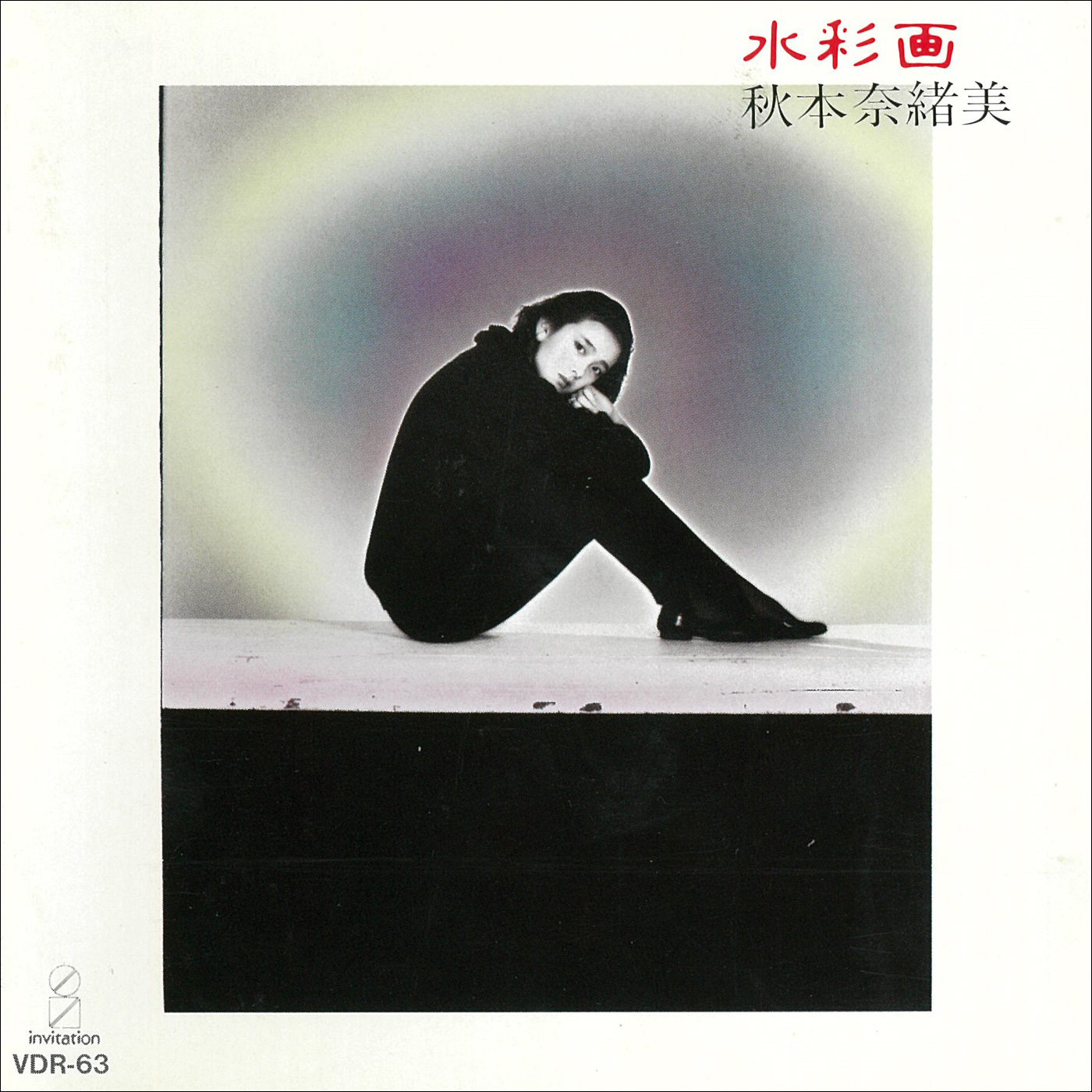
Naomi Akimoto - Suisaiga (1984)
I wanted to talk about this record because while Akimoto's work is fairly well known in city pop circles, I feel that this album in particular is quite underrated and very unique - and not just in the context of Japanese music. The sound of Suisaiga (which means "watercolour painting") is tricky to describe - imagine... a dub mix of the backing track from Jennifer Rush's The Power of Love - but just the synthesisers. And maybe the drum machine. But not the bass, or anything else. And add a bunch of reverb, and very understated vocals. It's not funky at all, or sunny. It's quite ethereal and almost comparable to what we might later call alternative R&B. You're better off just checking it out for yourself.
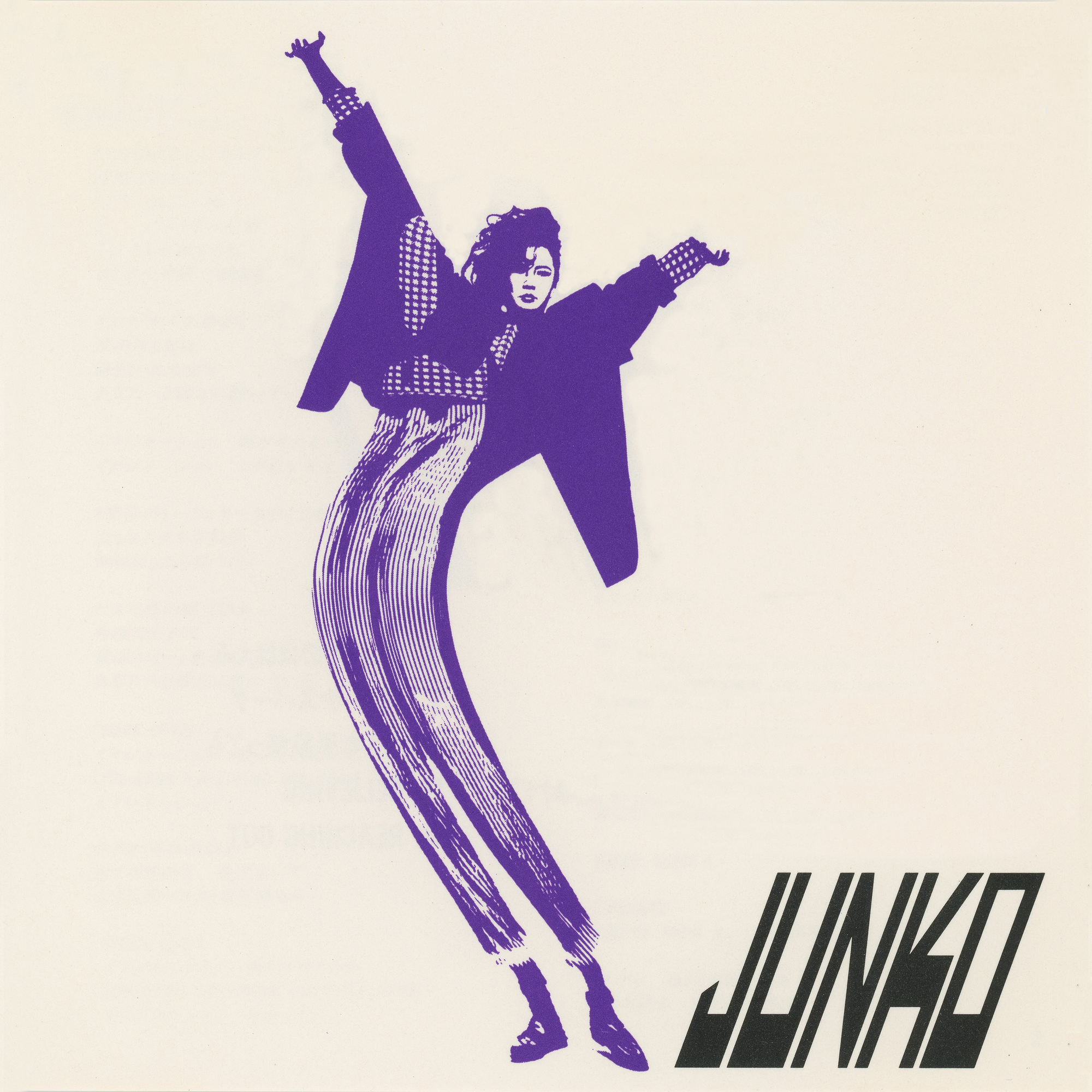
Junko Yagami - Communication (1985)
There were several Junko Yagami albums I could've included in this list. The Best, Lonely Girl or Full Moon; all would've been legitimate and fine examples of her genius, and they all probably include more famous songs. I believe that this is her most cohesive full album, though. Her first after leaving previous label Discomate (also home to fellow city pop legend Kay Ishiguro, and initially created to distribute ABBA's releases in Japan) and signing to Moon Records, Communication consolidated Junko's success by progressing her sound towards a more digital, Hi-NRG, synth-funk arena than before. From the zany, Jean-Paul Goude-ian cover to the Madonna-esque title track to the electronic reggae pop of Johannesburg, this LP is an incredibly fun journey through time and space into a futuristic, idealised version of mid-80s Tokyo.
Rajie - Espresso (1985)
This is another relatively atypical example, but one that's all the more special to me for that reason. Rajie emerged in the new music wave of singer/songwriters and has certainly made more quintessentially city pop-sounding records, but by 1985, on her seventh and final studio album Espresso, she seemed to have invented a specifically Japanese, wintry, synthy version of dream pop, predating Akina Nakamori's incredible Fushigi by a year. The hallmarks are here: ethereal vocals, dreamlike synths underpinning chorused guitar lines and all awash in stacks and stacks of reverb. And unlike the somewhat impenetrable Fushigi, the songs on Espresso have a lighter poppiness underpinning their composition and the production less oppressive, making this more accessible but no less otherworldly.
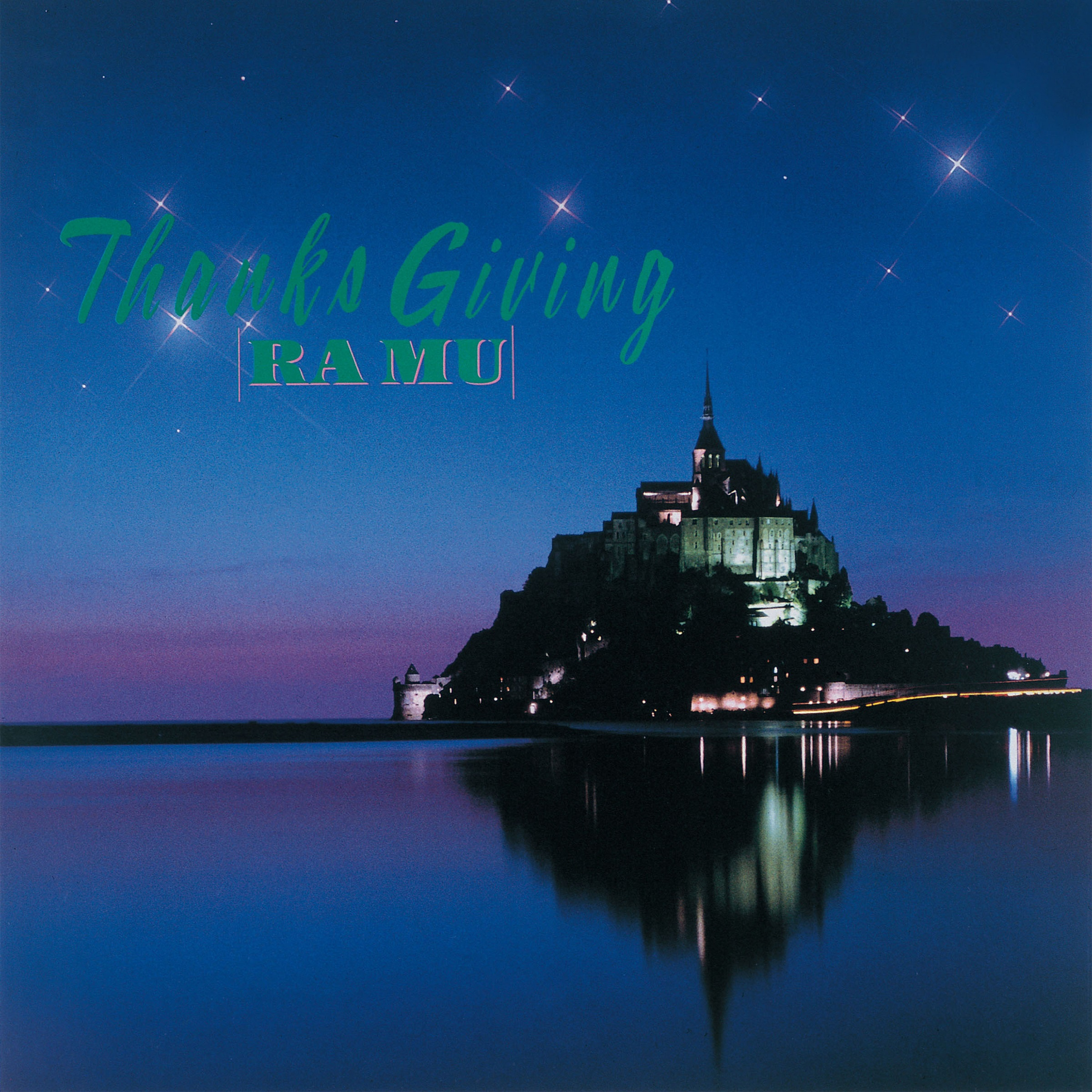
RA MU - Thanks Giving (1988)
If you're already a fan of city pop, you may have been scouring this list and wondering if and when I'd mention Momoko Kikuchi. And I did consider including her album Ocean Side, or Adventure (both of which contain some of my favourite songs). Kikuchi is an interesting one; she was really more considered a part of the Idol scene (which, like city pop, was enjoying its "golden age" in the 80s), but there's unmistakable city pop DNA on her records. This sonic evolution reached its zenith with the short-lived RA MU [a transliteration of the romaji for "l'amour"], a group fronted by Kikuchi and two backing singers: Rosalyn Renee Keel and Darelle-Foster Holden. The latter two's soulful voices will be instantly recognisable to fans of Japanese music from the 80s, as they were incredibly prolific and provided backing vocals on thousands of songs across various genres. Here, they contrast with and highlight Kikuchi's signature whisper, while the production is bright, sparkly and funky, taking cues from American R&B and new jack swing to create something unique and irresistible.
I hope that with this article, I've been able introduce you to some amazing music that you'll come to love as much as I do.
Some final thoughts...
Now, I know what you must be thinking. Where's Ride On Time by Tatsuro Yamashita? No Anri or Miki Matsubara whatsoever!? No Spectrum?! I apologise. There were many albums and artists I wanted to write about but didn't have the space, which isn't a slight on their worthiness. I, for one, can scarcely believe I’ve not talked about EPO, Minako Yoshida, Tomoko Aran or Hitomi Tohyama, not to mention a single album by Yuming, any of the revival acts from the 90s and beyond, or even more by the artists I actually did get to talk about briefly. But the great thing for anyone getting into city pop these days is that it's becoming easier than ever to find on vinyl outside of Japan thanks to the efforts of record companies and distributors who are starting to import and/or repress it at an increasing rate to meet the growing demand. And I hope that with this article, I've been able introduce you to some amazing music that you'll come to love as much as I do.