

A new century begins.
As the twentieth century gave way to the twenty-first, music entered a period of significant transformation. Through piracy and digital downloads, the internet was changing how music travelled, enabling artists to influence culture far beyond their immediate surroundings. What ensued was a decade defined by reinvention and rebellion, rooted in DIY principles while embracing entirely new possibilities.
In Britain, the afterglow of Britpop lingered as the millennium approached, but its certainty gradually gave way to something more adventurous and inward-looking. Independent music became increasingly difficult to categorise, with artists drawing from folk, electronica, chamber pop, hip hop and post-rock in equal measure. The swagger and optimism that had defined much of the mid-90s evolved into a more nuanced landscape, one that embraced introspection, experimentation and a renewed sense of individuality. Across the UK, guitar music splintered into countless forms, from the literary intimacy of Belle and Sebastian, to the ragged romanticism of bands like The Libertines, while Bristol's pioneering blend of electronic production and emotional depth continued to cast a long shadow.
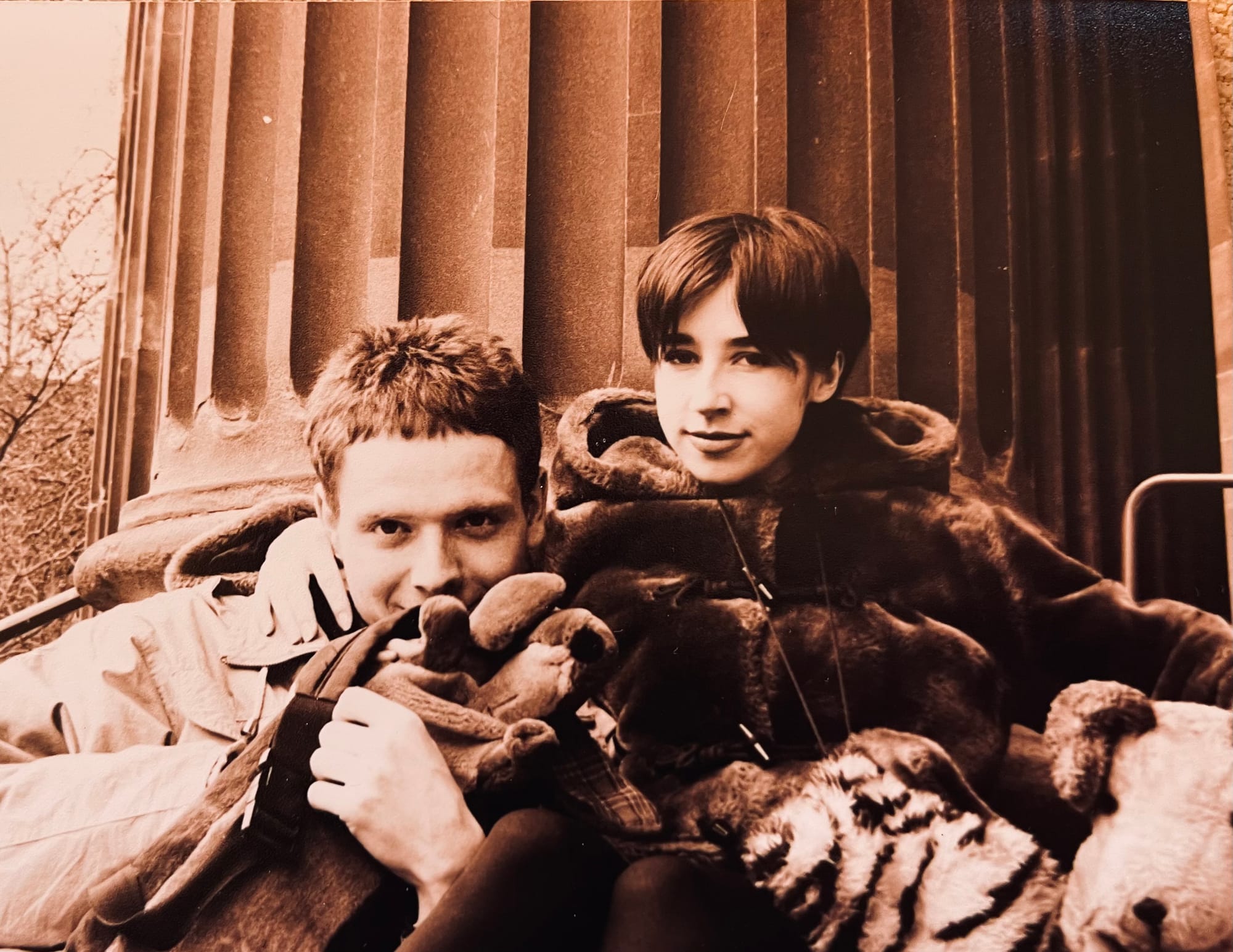
Beyond Britain, independent music was becoming increasingly expansive in both sound and ambition. Post-rock stretched compositions into vast, cinematic territory, electronic music grew warmer and more playful, and contemporary classical influences began finding their way into the broader musical conversation. At the same time, American folk was reimagined through a new generation of songwriters, such as Sufjan Stevens, who combined deeply personal storytelling with ambitious arrangements. Meanwhile, some late-90s recordings quietly accumulated influence, none more so than Neutral Milk Hotel's sophomore album, which achieved cult status and became a touchstone for countless artists in the years that followed.
The turn of the century itself carried a weird sense of anticipation. Amid Y2K anxieties (millennium bug anyone?), rapid technological change and the growing influence of the internet, music began travelling faster and further than ever before. Suddenly, audiences were becoming global in real time as fans discovered new sounds beyond the traditional boundaries of radio, press and TV. The optimism that accompanied the new millennium would soon be dramatically impacted by the events of September 11th, a moment that reshaped culture far beyond New York and reframed the way many artists responded to the world around them.
Yet it was New York that became one of the defining creative centres of the era. In the aftermath of both the millennium and 9/11, a loose network of musicians, artists and nightlife communities created a scene that would come to be labelled "indie sleaze”. Through sharp, minimalist guitar bands, art-school experimentation, electroclash and dance punk, the city's underground generated a renewed sense of possibility. The influence of artists such as The Moldy Peaches, Yeah Yeah Yeahs, The Strokes, Peaches, TV On The Radio, Interpol and LCD Soundsystem spread globally, inspiring a new generation of bands, labels and independent venues.
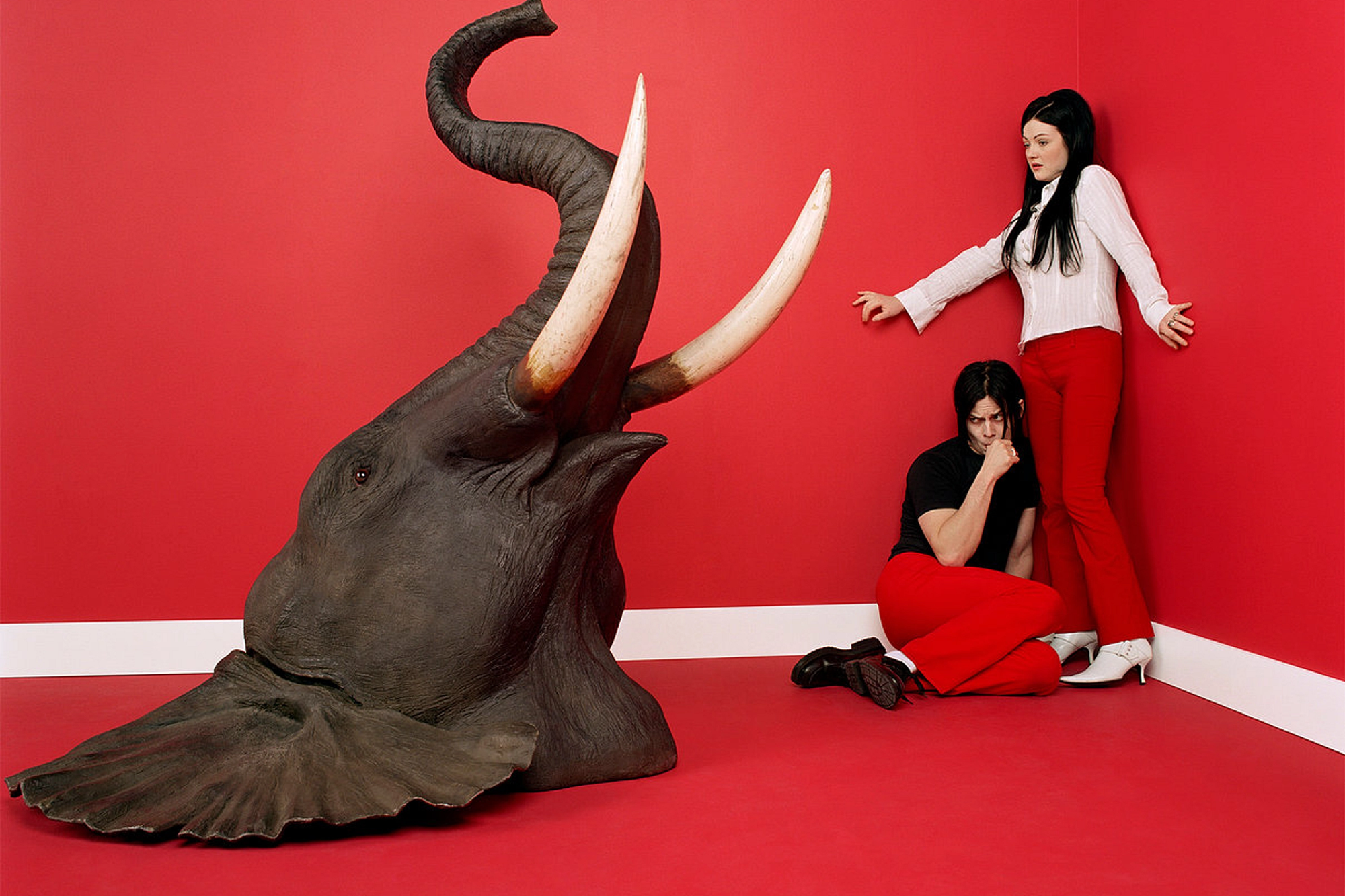
Elsewhere, electronic music entered a golden period of crossover creativity, with artists such as Daft Punk demonstrating how club culture, pop and underground experimentation could coexist on a global scale. At the same time, The White Stripes’ distilling of rock and roll to its bare essentials proved that simplicity could feel radical (and in stark contrast to the evolving digital world around them). Together, these movements helped define a decade in which independent music became broader, more connected and more culturally influential than ever before, laying the foundations for much of what followed.
Rough Trade remained a meeting point for artists and audiences navigating a rapidly changing world, as new technologies altered how music was distributed but not how it was experienced. Independent music could continue evolving without losing its sense of identity - a belief we still maintain today.
50 Records for 50 Years - Drop Three: 1996-2005
Revealing our Rough Trade 50th Anniversary Editions, one for each year Rough Trade has been open. Featuring an exclusive vinyl pressing*, with special bonus material: unique liner notes, stories, and fresh interviews.
*press quantities are final
What is the greatest album of the last 50 years? Tell us, for a chance to win.
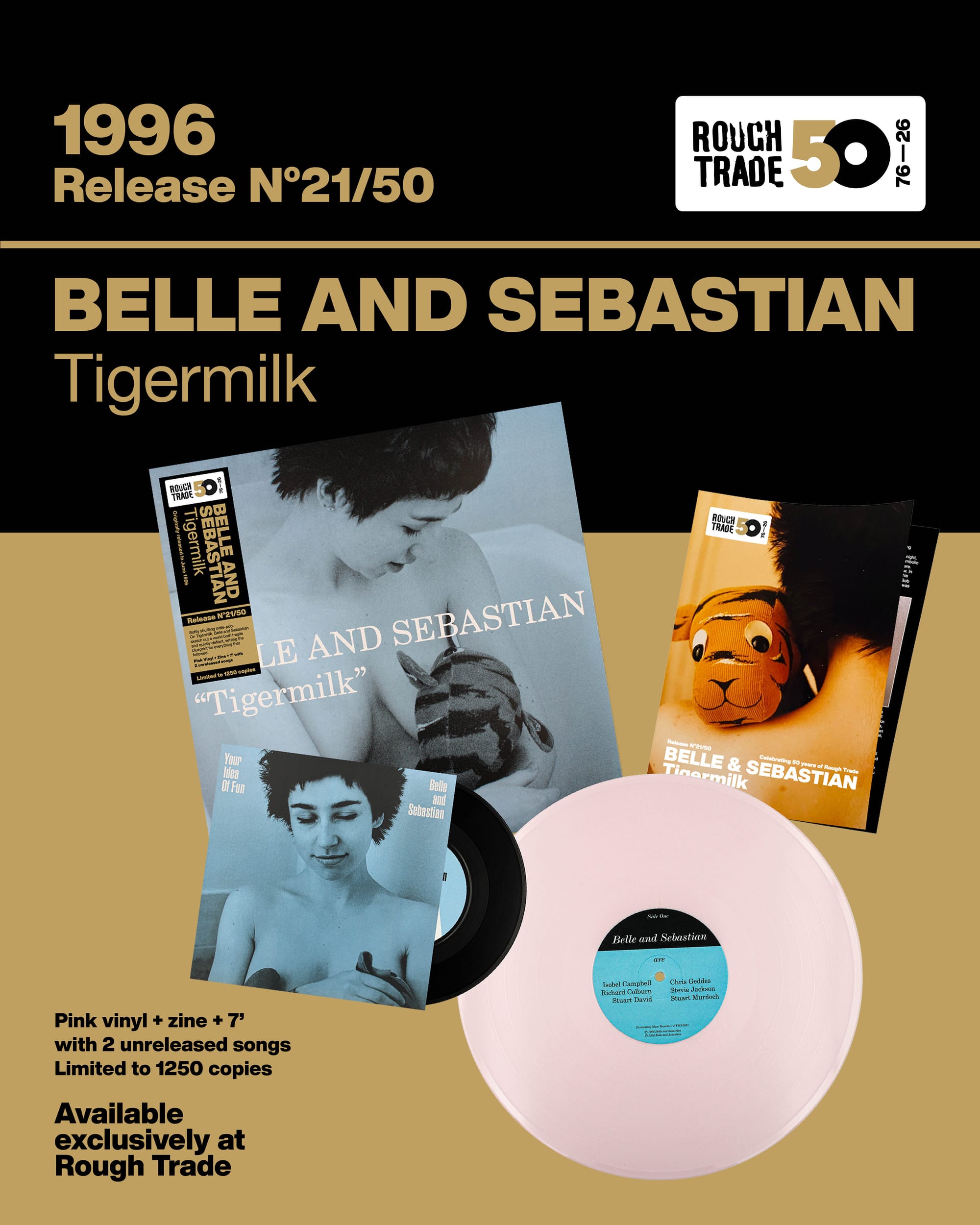
1996: Belle and Sebastian - Tigermilk
Belle and Sebastian’s Tigermilk is an exemplary gem of Glasgow’s mid-90s indie scene, released via the city’s Electric Honey label at a time when Britpop dominance was fading and more introspective, lo-fi songwriting was gaining space. Delicate, literate indie pop, whispered vocals, acoustic guitar, chamber-pop touches, contrasting sharply with Britpop’s swagger. Culturally, it helped define a quieter, bookish alternative to mainstream UK guitar music, shaping twee pop artists like The Pastels’ later work, Camera Obscura, The Decemberists, and later bedroom-pop acts such as Frankie Cosmos, all of whom echo its intimate storytelling and understated arrangements.
Georgia, Rough Trade Office

1997: Blur - Blur
By 1997, Blur had already conquered Britpop and instead of repeating themselves, they swerved sharply left. Blur is noisier, stranger and more adventurous than anything they’d done before, trading laddish anthems for distorted guitars, lo-fi edges and a renewed sense of curiosity.
It produced some of the band’s most iconic moments. From the dreamy swirl of Beetlebum to the all-out chaos of Song 2, Blur stands as one of the group’s boldest and most influential records. A reminder that the most exciting bands are often the ones willing to surprise everyone, including themselves.
Nina, Rough Trade Berlin
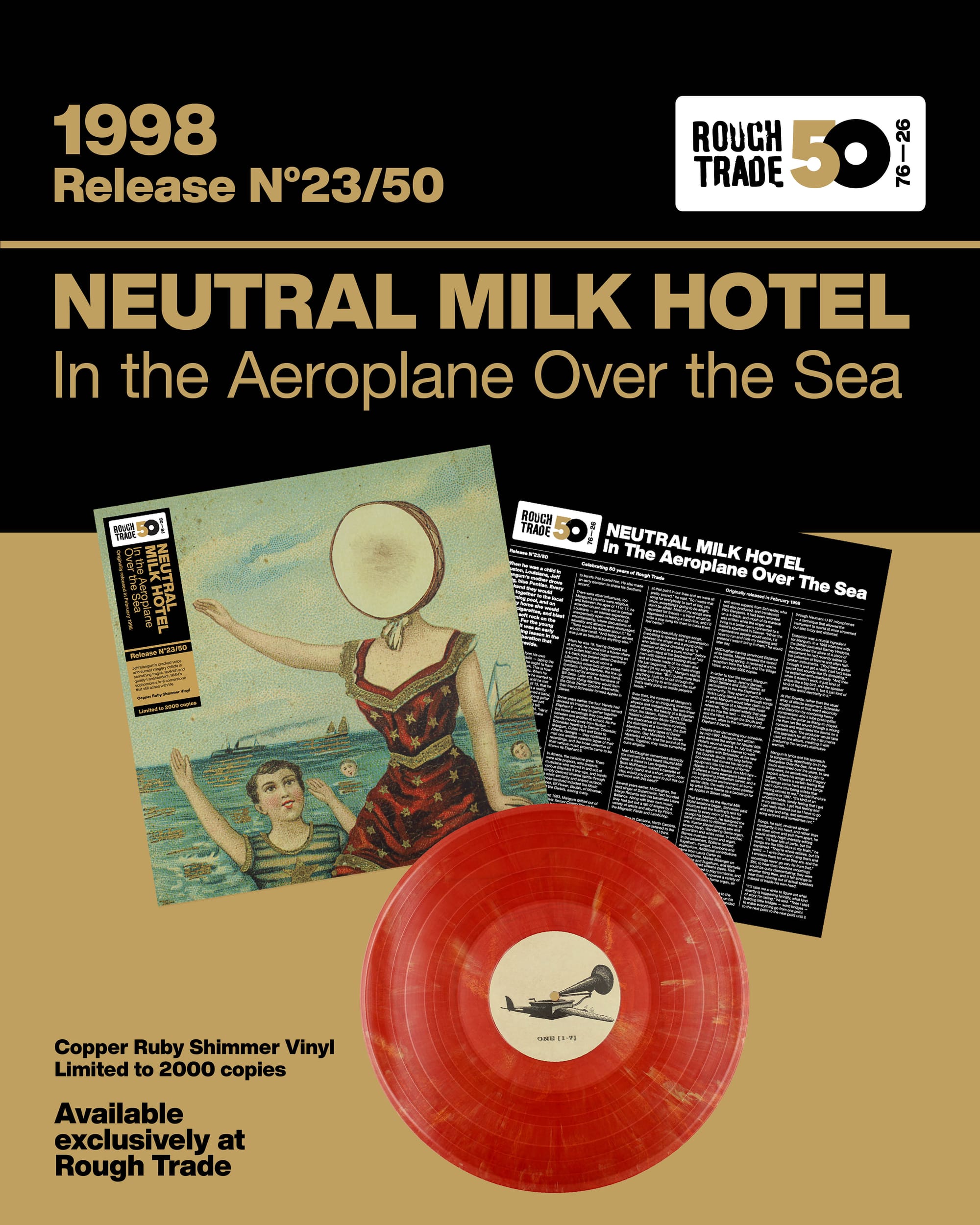
1998: Neutral Milk Hotel - In the Aeroplane Over the Sea
Jeff Mangum’s cracked voice and surreal imagery collide in something fragile, feverish and quietly transcendent, NMH's sophomore a lo-fi cornerstone that still aches with life.
Emily, Rough Trade Office
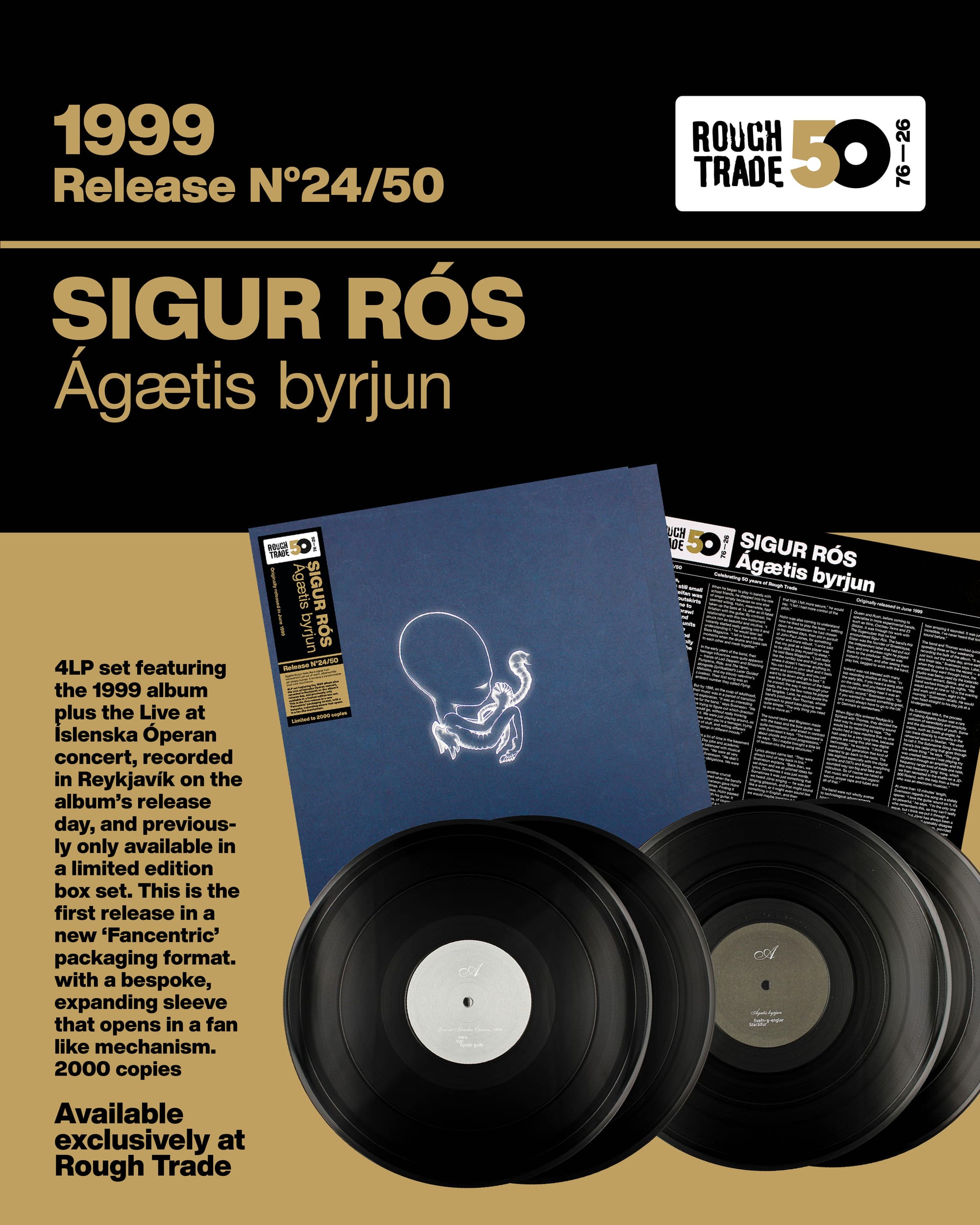
1999: Sigur Rós - Ágætis Byrjun
Ágætis Byrjun feels like a signal from somewhere just out of reach, otherworldly yet deeply human. It remains a transformative post-rock touchstone.
Emily, Rough Trade Office
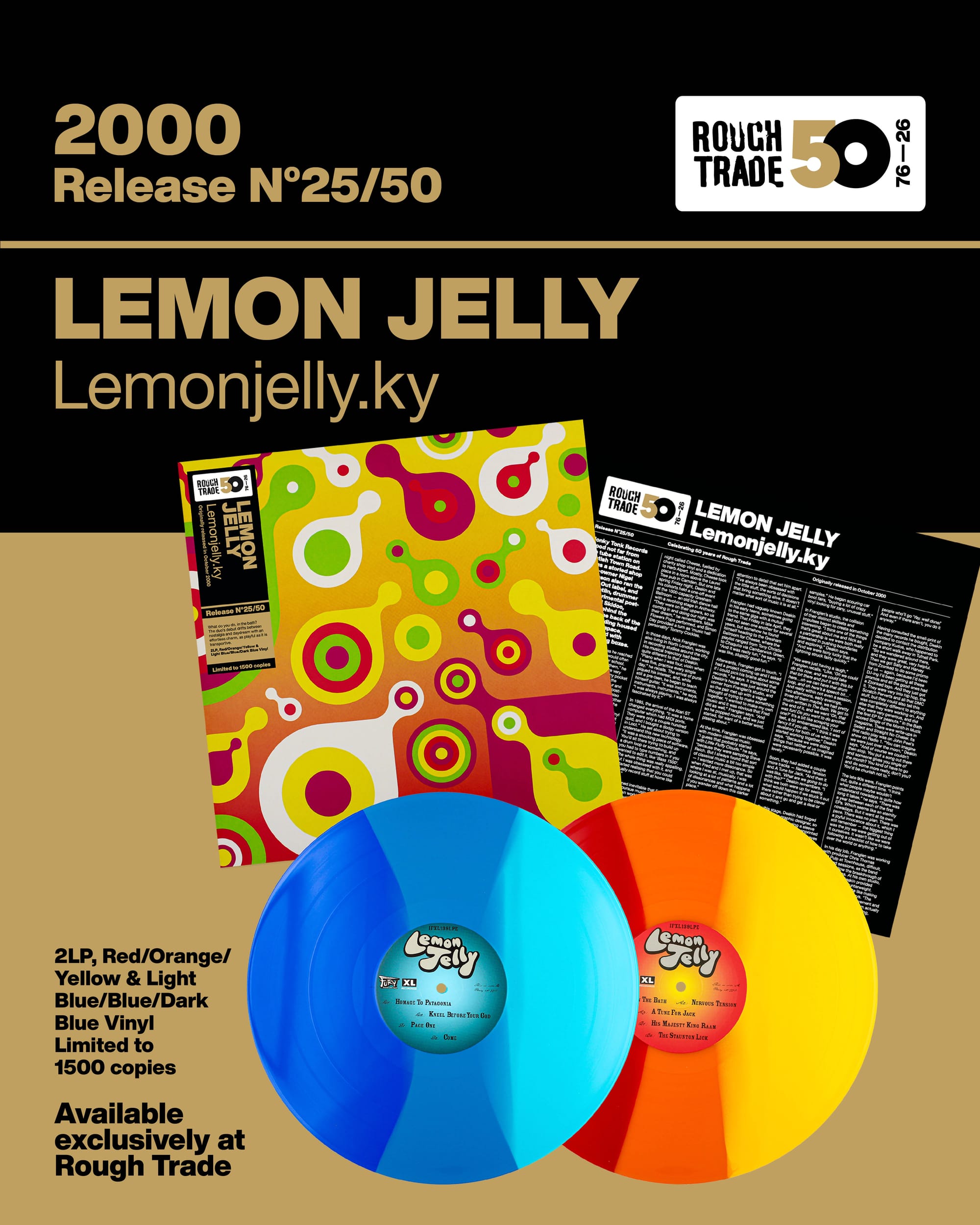
2000: Lemon Jelly - Lemonjelly.ky
Emerging at the end of the 1990s after securing a deal with the renowned XL Recordings, Lemon Jelly's Lemonjelly.ky arrived during a fertile period for UK downtempo and electronica with a more playful take on the melodic melancholic "chillout" tropes. Comprised of DJ/designer Fred Deakin and studio programmer Nick Franglen, Lemon Jelly was a collaboration that not only built a sound, but a technicolour brand, the bright colours and distinct graphical style reflecting the relaxed, melodic and whimsical nature of their sonic collages. The way that Lemon Jelly tracks build around sampled voices or snippets of dialogue is perhaps the most distinct takeaway from how this album revolutionised the British downtempo scene, the obscure and artful sampling just as foundational as Boards of Canada or DJ Shadow, demonstrating how electronic music could be a vehicle for storytelling. Music that feels like a direct line of inspiration to modern projects such as Headache, Lambchop or Bonobo. A timeless aesthetic of nostalgia and warmth.
Georgia, Rough Trade Office
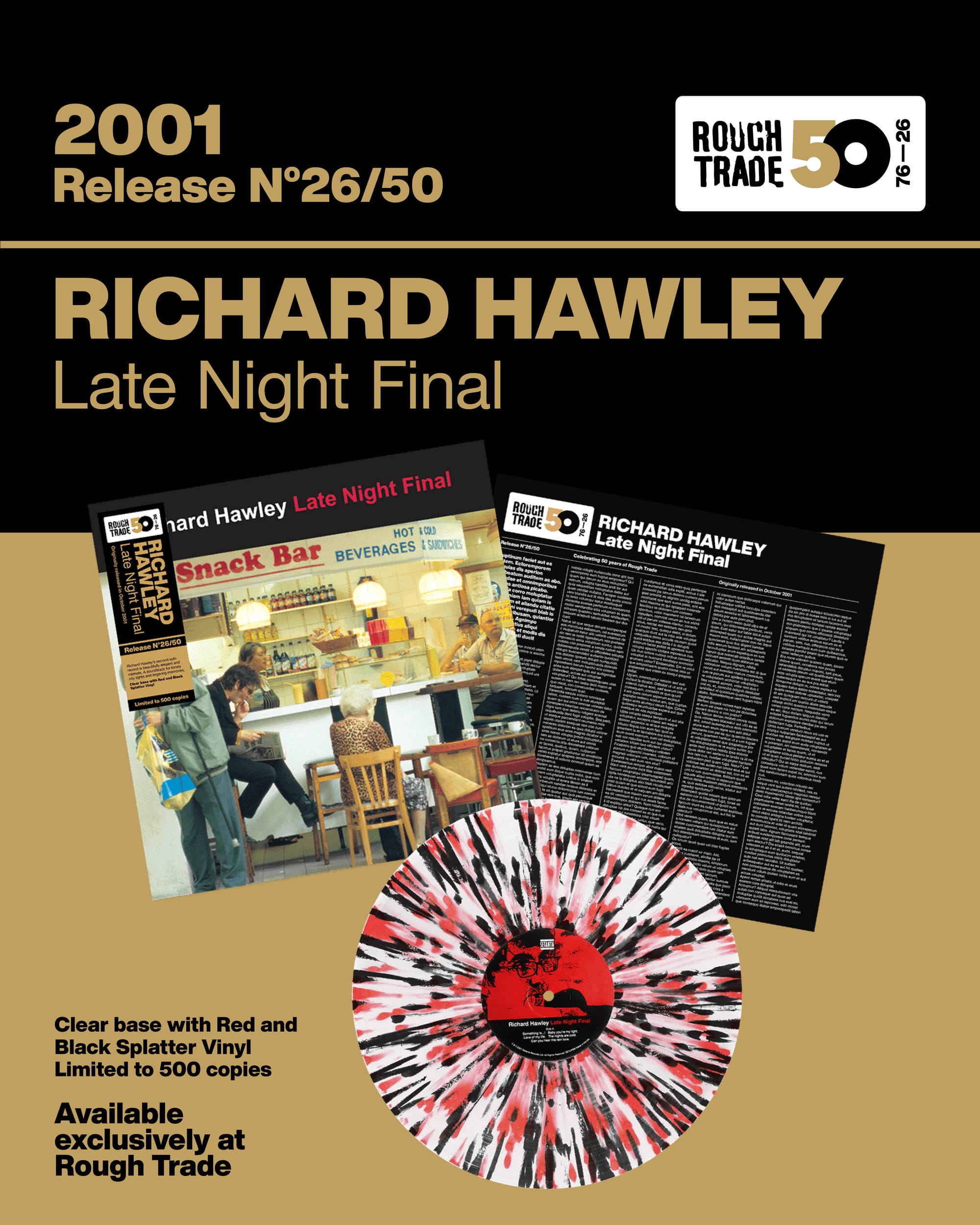
2001: Richard Hawley - Late Night Final
Richard Hawley’s second solo record is beautifully elegant and intimate. A soundtrack for lonely city lights and lingering memories.
Emily, Rough Trade Office
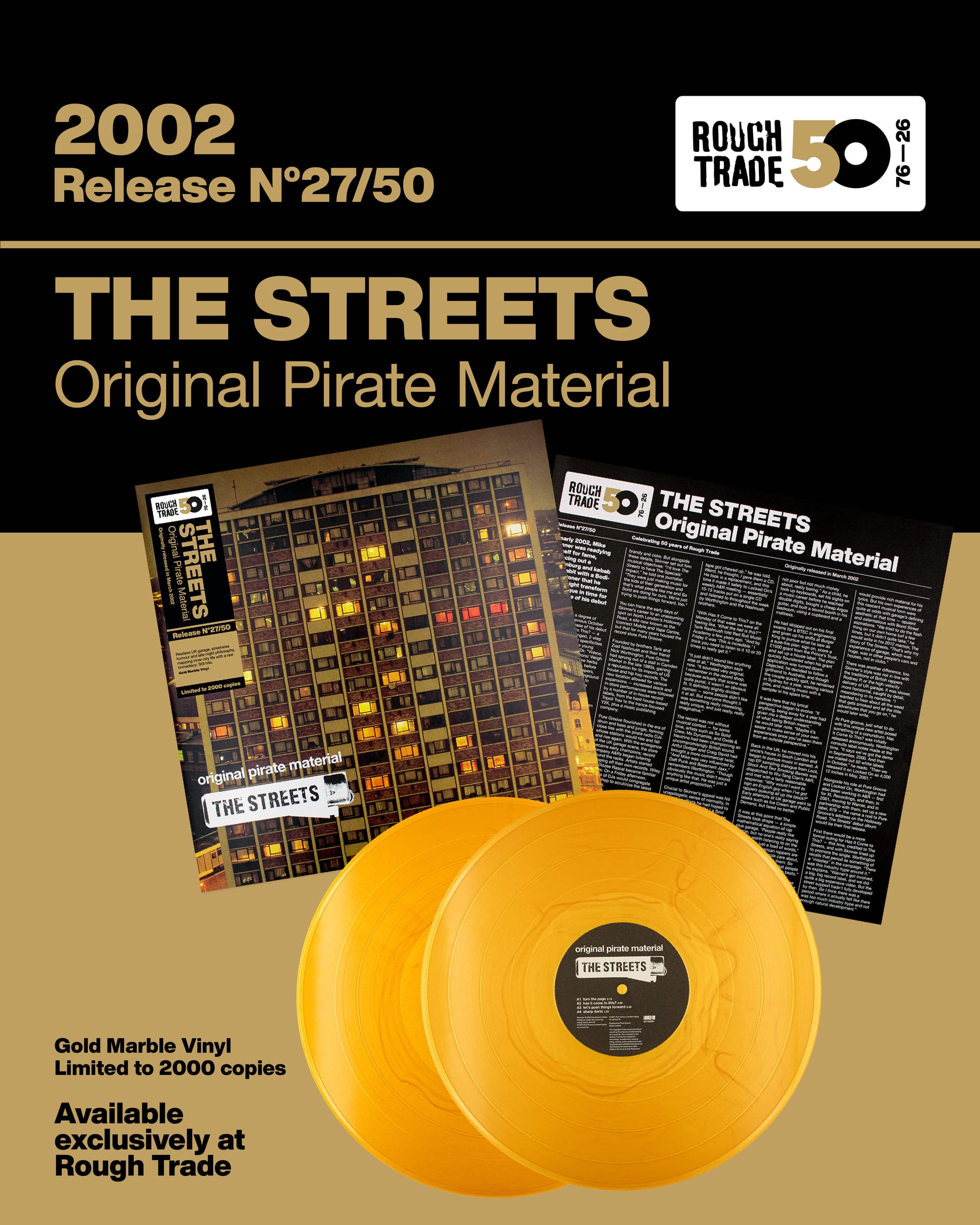
2002: The Streets - Original Pirate Material
A streetlight illuminated journey through the alleyways, estates and parks up and down the UK (bar that one night out in Amsterdam). If you grew up in any city or town across the country, you knew someone, or you were someone, just like Mike Skinner. Raging against the spiralling hopelessness of inner city life, and revelling in the small highs, the pubs, the parties, the greasy spoon cafeterias and crucially the off-grid pirate radio station culture of 90s and early-2000s working-class Britain. Unpretentious, universally attainable and life-changing. Damn good tunes too.
Paddy, Rough Trade Office

2003: The White Stripes - Elephant
Jack’s unravelling yelp and Meg’s primal, unshakeable drumming, Elephant strips rock ’n’ roll to the bone and rebuilds it louder, dirtier and defiantly alive.
Emily, Rough Trade Office
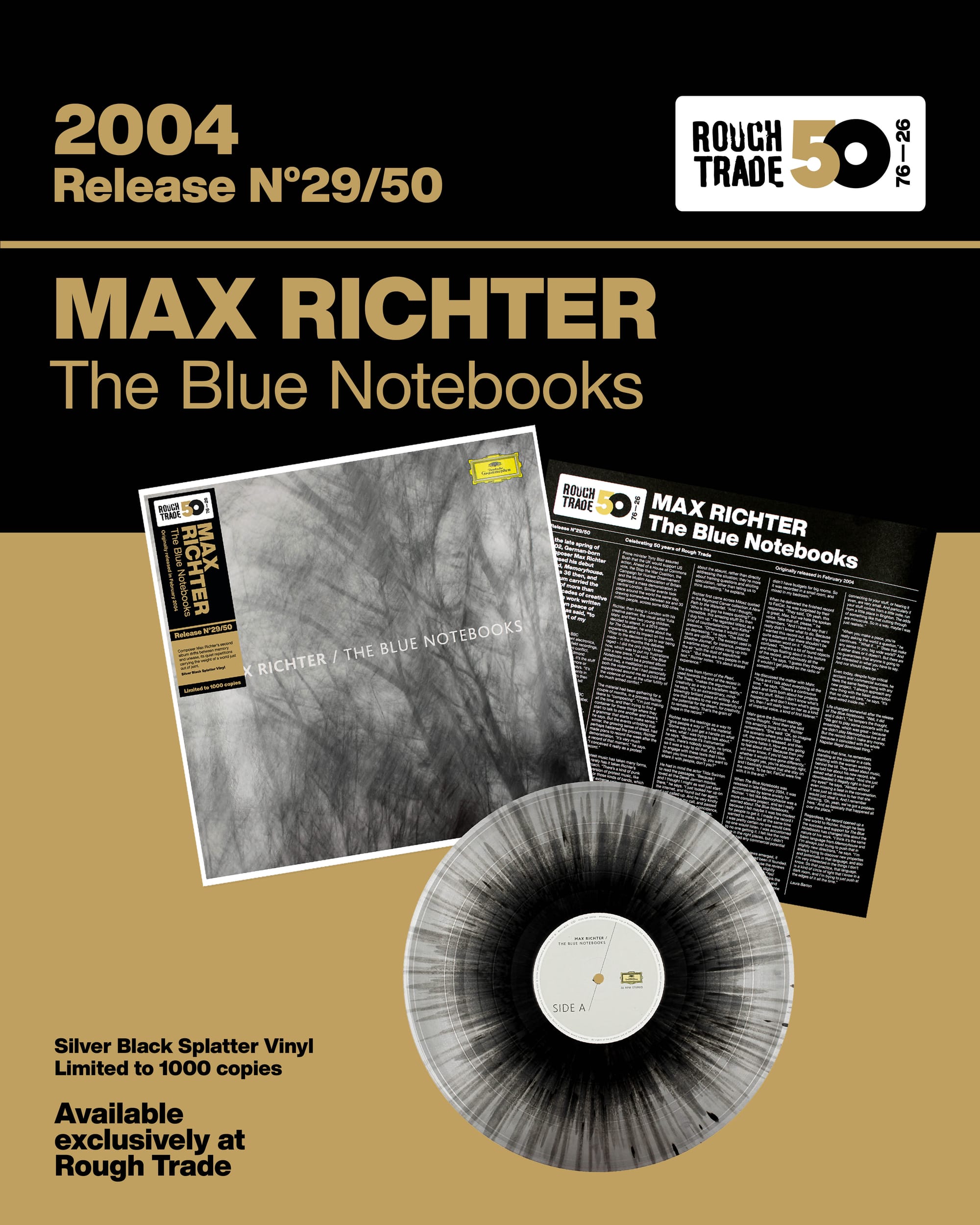
2004: Max Richter - The Blue Notebooks
Released in the shadow of the Iraq War, The Blue Notebooks stands as both a protest album and a meditation on memory, loss and humanity. Over the past two decades, its music has soundtracked some of the most memorable moments in film and television (Shutter Island, The Leftovers, Hamnet, to name a few), resonating with listeners through its capacity to evoke reflection, sadness and hope in equal measure. While many may know Max today through his increasingly prolific film scores, in the early 2000s his work helped lay foundations for a new generation of contemporary composers, dissolving boundaries between classical composition, ambient music and popular culture. I was fortunate enough to work on his 2015 masterpiece Sleep, but it is the beauty of these earliest reflections that continue to draw me back. None more so than The Blue Notebooks, an album of quiet resistance, as stunning and relevant today as it was in 2004.
Emily, Rough Trade Office
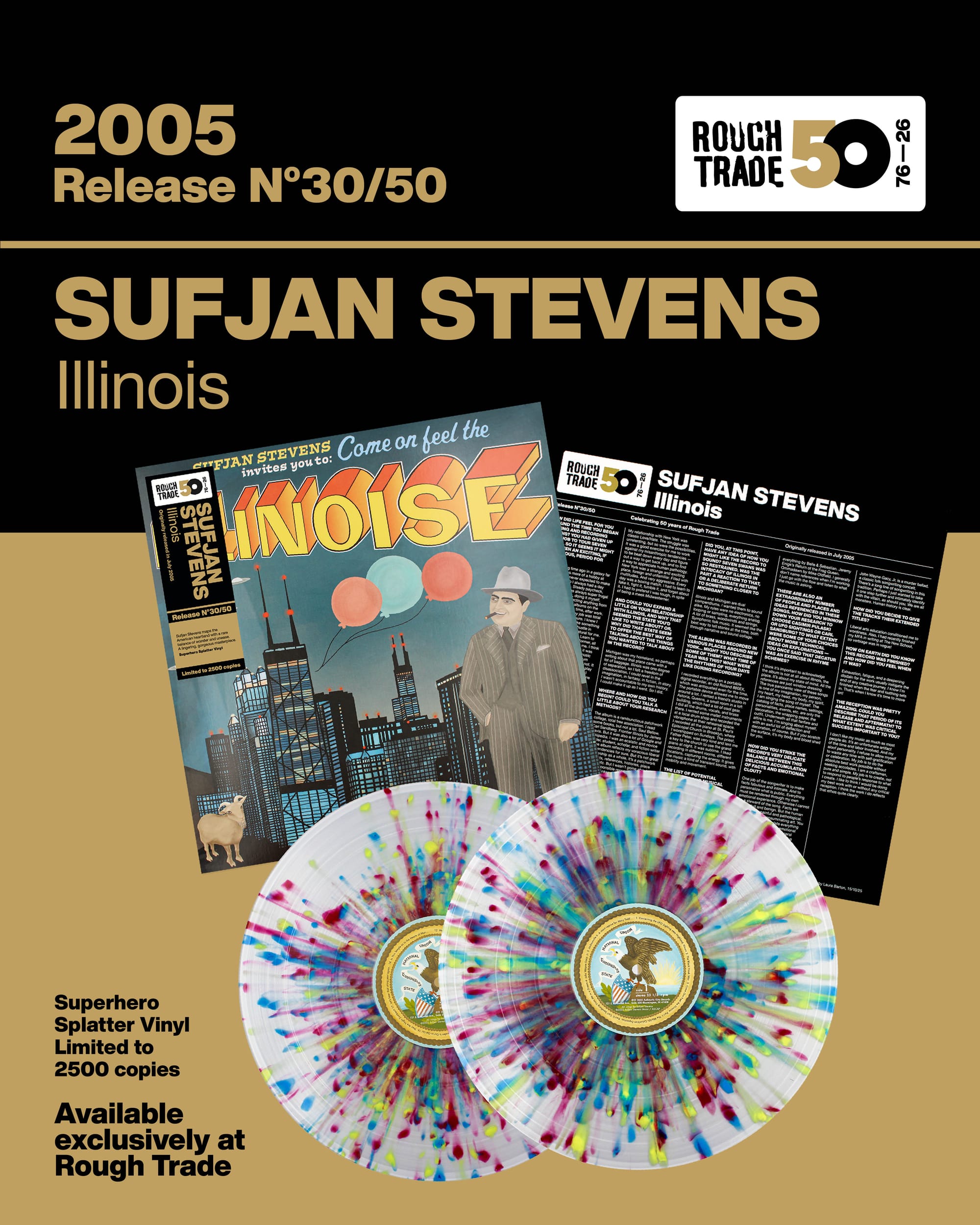
2005: Sufjan Stevens - Illinois
"Sufjan Stevens invites you to: Come on feel the Illinoise". Framing the state of Illinois through history, myth, and personal memory, Sufjan's 2005 masterstroke addresses a post-9/11 American cultural moment, marked by regional reflection and identity. Often considered as his breakthrough, this record really cemented Sufjan as a trailblazer for indie experimentation and DIY success; his fifth album on the Asthmatic Kitty label, which he co-founded with his stepfather. Banjos, strings, brass, and electronic textures layered into intricate arrangements, Illinois is a sprawling orchestral and concept-driven record; the technicolour production still feels just as forward-facing as the 2000s.
Georgia, Rough Trade Office
Discover More

Join Our Club
Each month, receive a Rough Trade Exclusive vinyl album from our 50th Anniversary series, as well as access to Club benefits including free shipping, select priority event access and special discounts. Limited to 500 subscribers only.

Rough Trade 50 Exclusive Merch
Pick up a Limited Edition t-shirt or tote bag to mark half a century of independent music.