
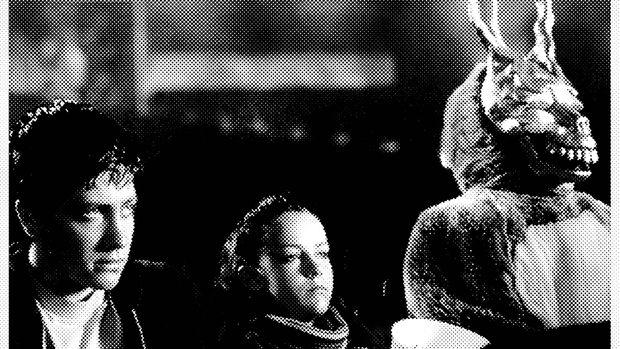
"Mad World predates this film by nearly twenty years, yet it sounds like it was written from inside Donnie's head, like an echo from an alternate universe that arrived before the story did."
Sometimes the very best films are the ones that recognise that what you hear can be just as emotive as what you see. Having the right song or score can shape a film’s atmosphere, unsettle its audience and become inseparable from the scares themselves.
From John Carpenter’s ominous synths in Halloween, to Queen’s gloriously incongruous appearance in Shaun of the Dead, ambient soundscapes and decadent 80s texture, we revisit some of cinema’s most iconic spooky musical moments, exploring the moments where sound is the highlight of the scenes. If you're looking to build or expand a soundtrack collection, then look no further, as there are some staple cult horror scores to be discovered here.
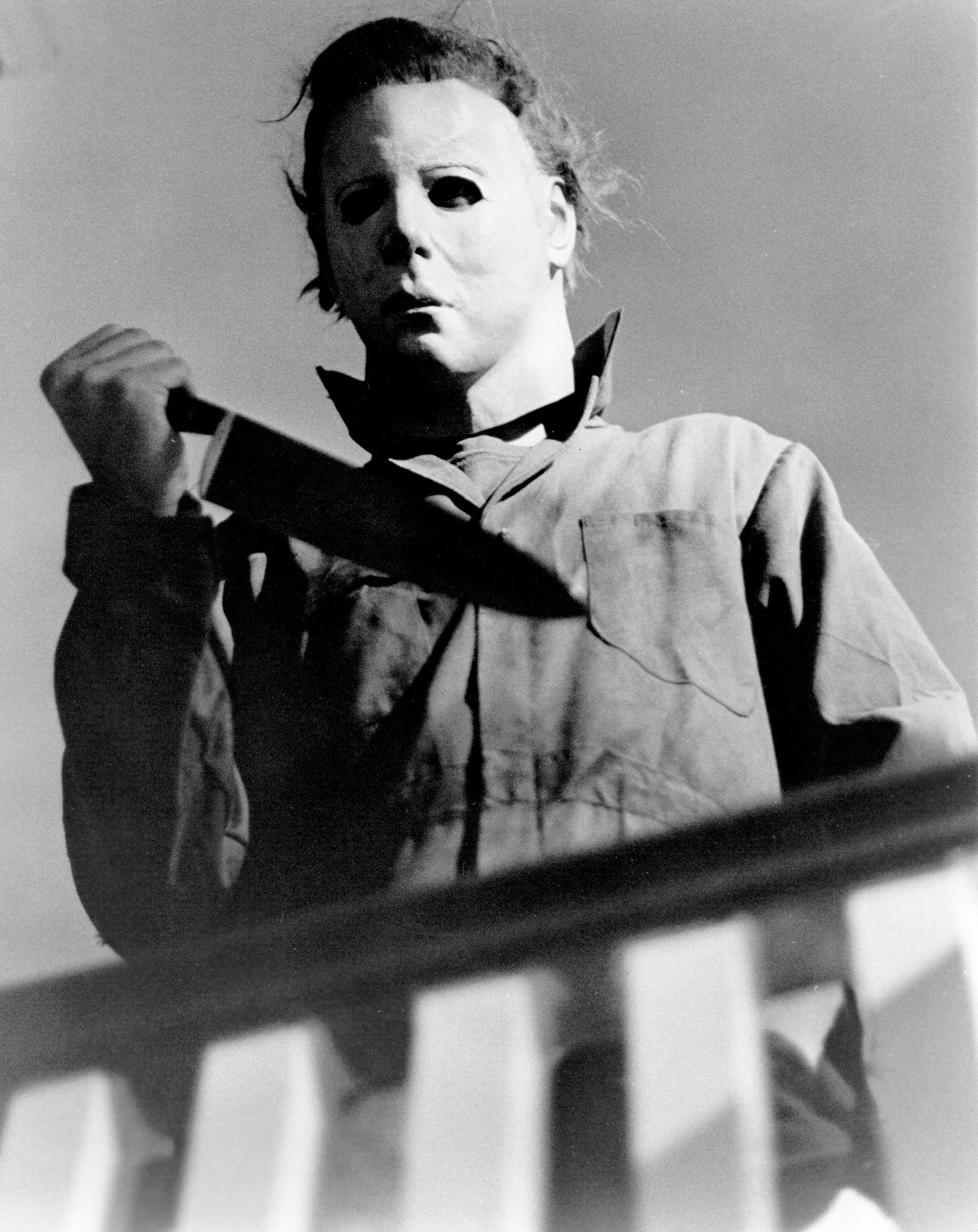
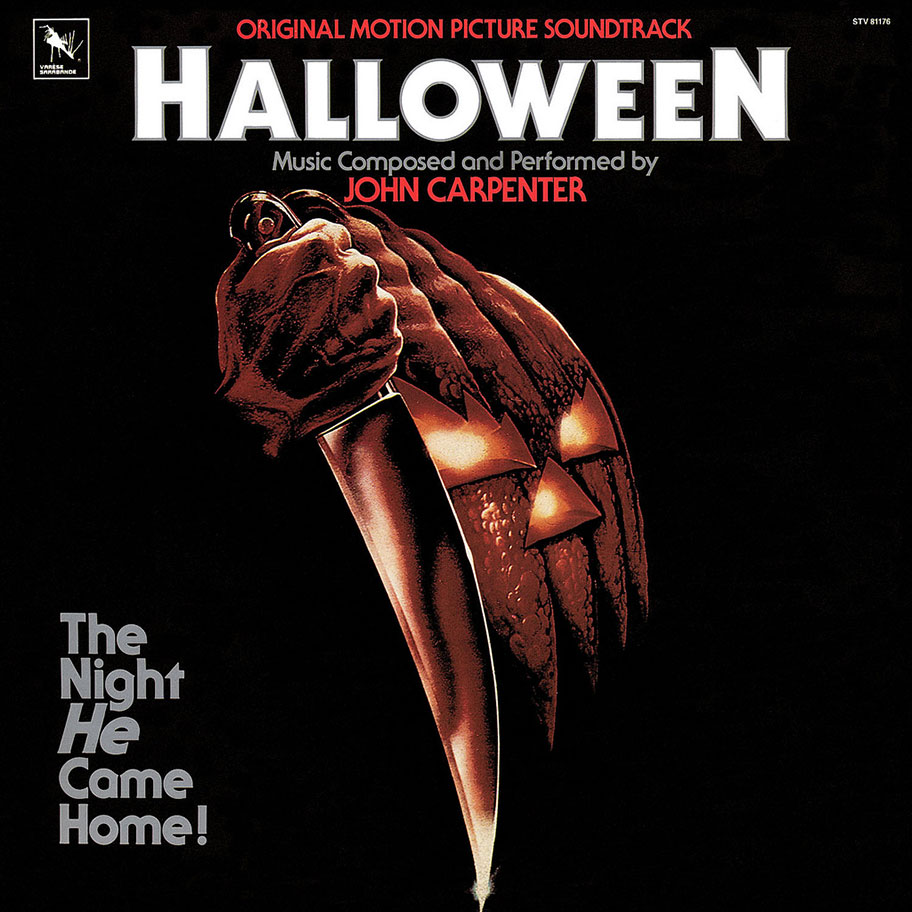
Halloween (1978)
John Carpenter - Halloween Theme – Main Title
John Carpenter’s instantly recognisable synth theme for one of modern cinema’s most famous slasher movies of all time. Its relentless, off-kilter rhythm creates a sense of unease before Michael Myers even appears on screen, and captures the unhinged energy of the film’s main villain. Composed and performed by Carpenter himself, the minimalist score uses a Moog III synthesizer, a brittle, repetitive piano-like cluster of notes with an unsettling 5/4 time signature over a tinny tick. One of the most interesting aspects of Carpenter’s work is that he only had three days to work on the Halloween score, and scores in what he and co-producer Dan Wyman called a "double-blind mode”. Carpenter wrote and recorded the music in the studio without watching or synchronising it to the actual film footage, instead cutting it in afterwards in line with the mood of each scene.
"Michael [Myers] doesn't run—he walks, which makes him much scarier. And then listen to the score: There's not a lot of fuss in the score. It's as minimalist and effective as that butcher knife that Michael carries."
Film critic Matt Zoller Seitz for NPR, 2018
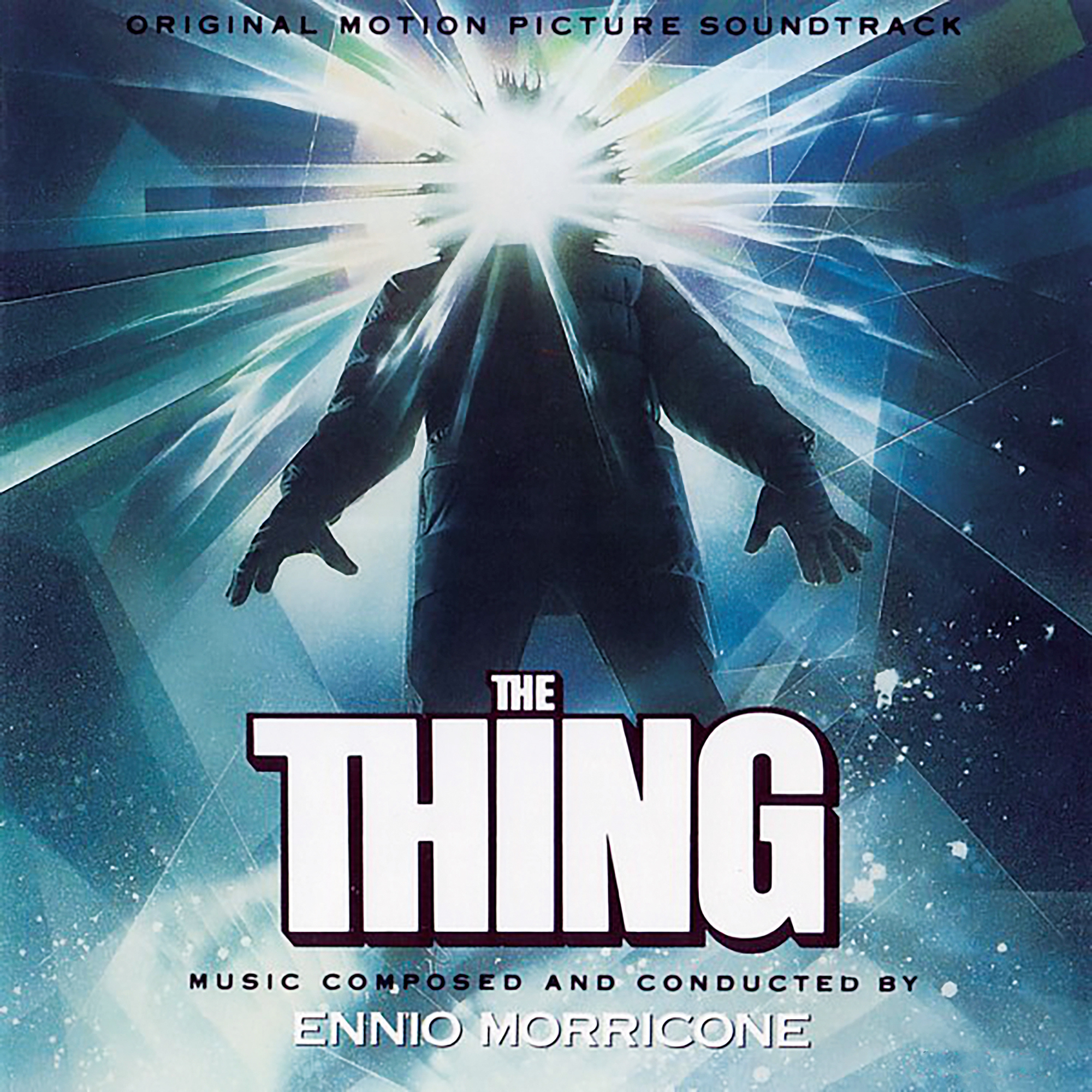
The Thing (1982)
Ennio Morricone - Humanity Part II
Humanity (Part II) is the main theme running through John Carpenter’s grotesque and sinister body-horror classic. Ennio Morricone fused his atmospheric orchestral style with synthesiser tones to mirror the bleak and fatalistic ending. Droning and pulsing, you can hear Carpenter’s synth-heavy influence on the score, a reflection of the signature sound of the era. Accompanying an unresolved ending, all that is left is existential dread and Humanity Part II, as the world burns around the characters and the credits begin to roll.
"He added something to it, that I didn't realise, didn't ask for. He brought it: this deep, tragic sense that this is the end of things, of everything.”
John Carpenter on Ennio Morricone’s score for The Thing
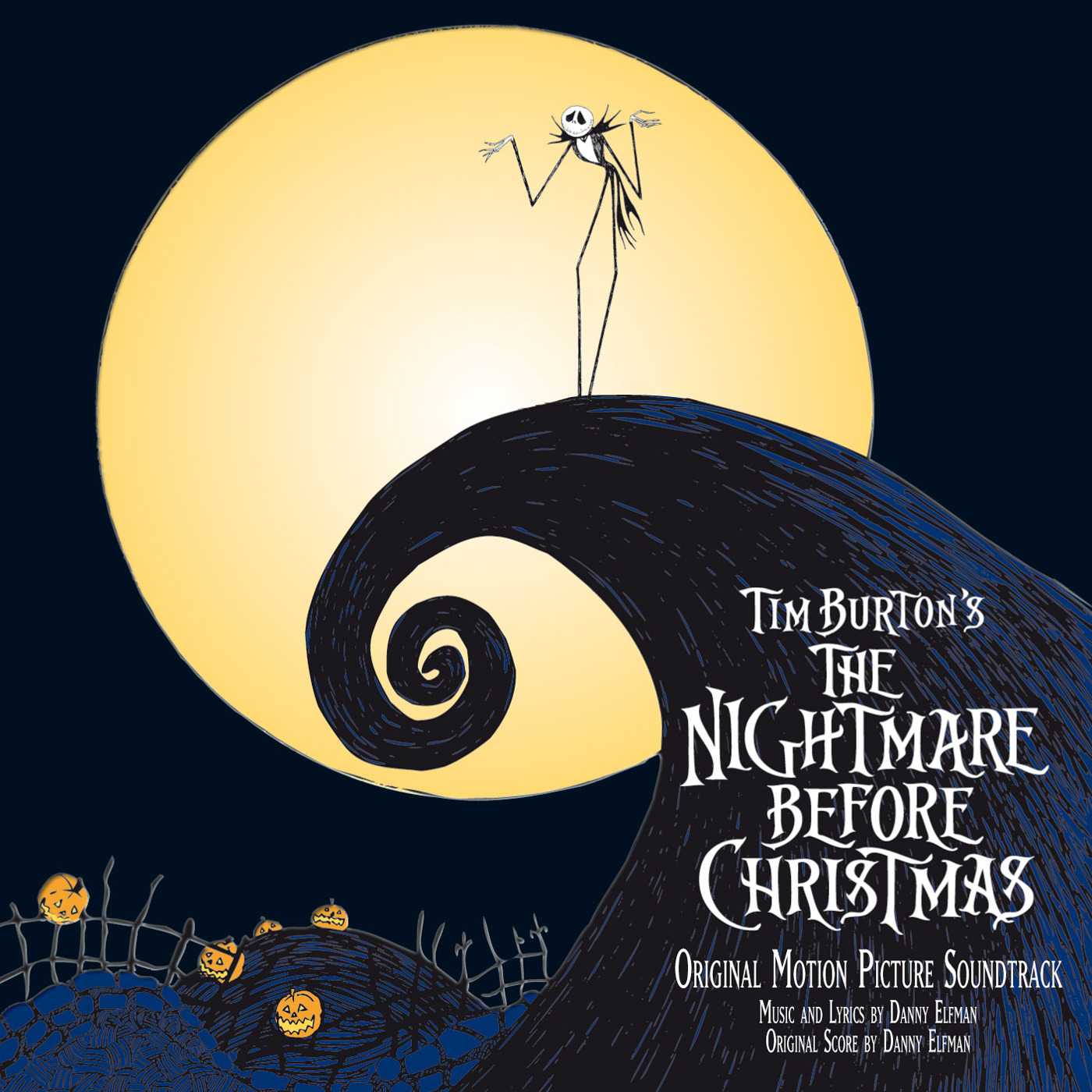
The Nightmare Before Christmas (1993)
The Citizens of Halloween - This is Halloween
Is this a Christmas or Halloween film? If Tim Burton was trying to hit two birds with one stone, both of those birds are dead. The iconic opening sequence, introducing us to the monsters and ghouls of Halloweentown, is soundtracked by what would become the anthem of the film, and of wider spooky festivities. And it wouldn’t be a Burton produced film without a Danny Elfman soundtrack now, would it? Elfman even provided the vocals for Jack Skellington himself.
Own The Nightmare Before Christmas Original Motion Picture Soundtrack on 2-LP glow-in-the-dark vinyl, available at Rough Trade.
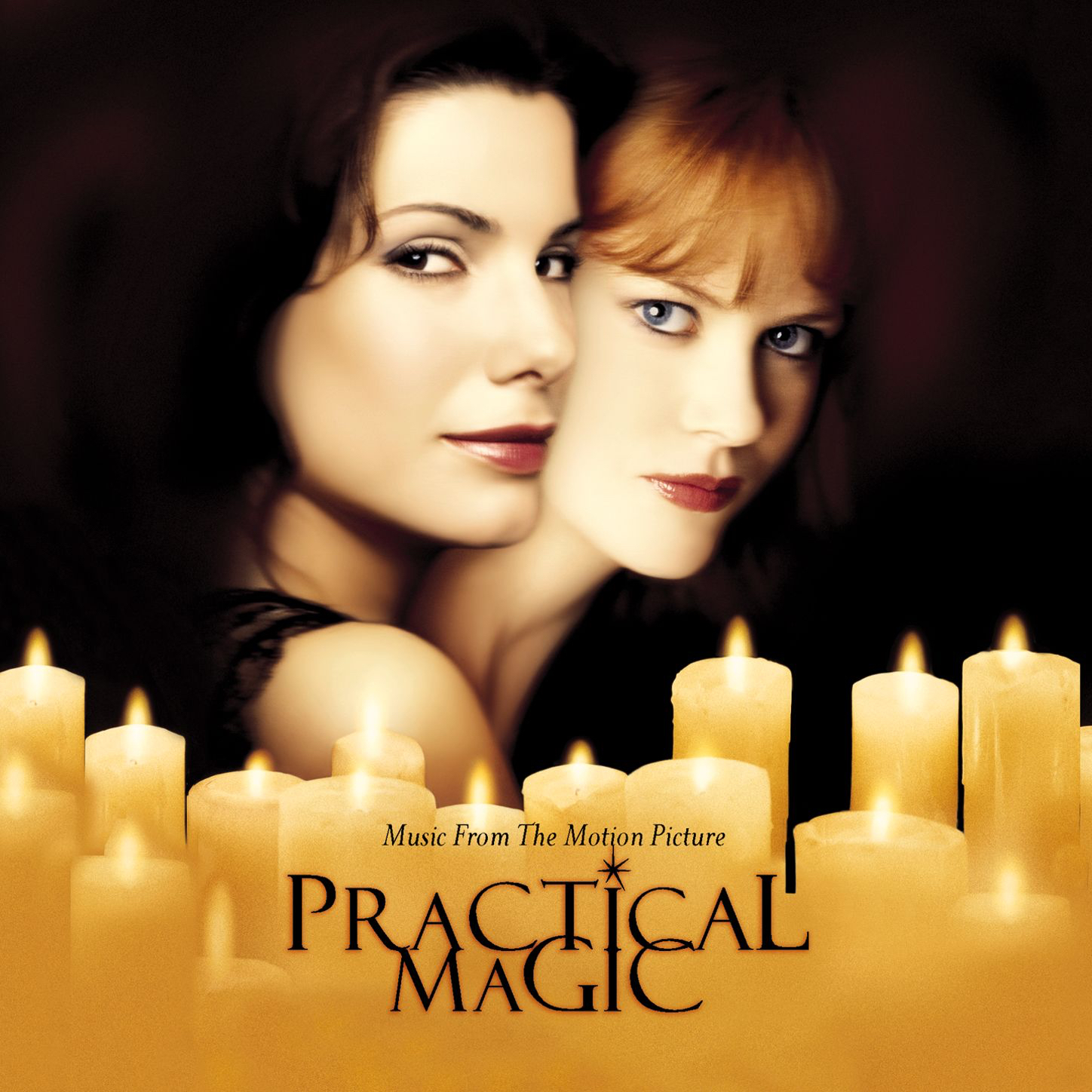
Practical Magic (1998)
Stevie Nicks - Crystal
Witchcraft, sisterhood and the supernatural, Stevie Nicks' ethereal, witchy vocals are the perfect fit for this 90s autumnal cult favourite. There are many scenes in Practical Magic made iconic by the music: the creepy rendition of Elvis Presley’s Always on My Mind, the whimsical, romantic montage to Faith Hill’s This Kiss, or the iconic midnight margaritas to Harry Nilsson’s Coconut. Nicks’ themes of love, loss and female resilience stand out on two occasions in the film, as the Fleetwood Mac songstress re-recorded both Crystal and If You Ever Did Believe? with some help from Sheryl Crow on backing vocals. The iconic use of Crystal can be heard in the film's opening sequence, when the young Sally Owens casts a spell on herself to ensure she will never fall in love, gathering herbs and flower petals into a wooden bowl under the light of the full moon, Nicks' earthen lyrics playing out in the background.
The iconic soundtrack is now available for the first time on vinyl! Featuring music from Stevie Nicks, Marvin Gaye, Nick Drake, Joni Mitchell and more.
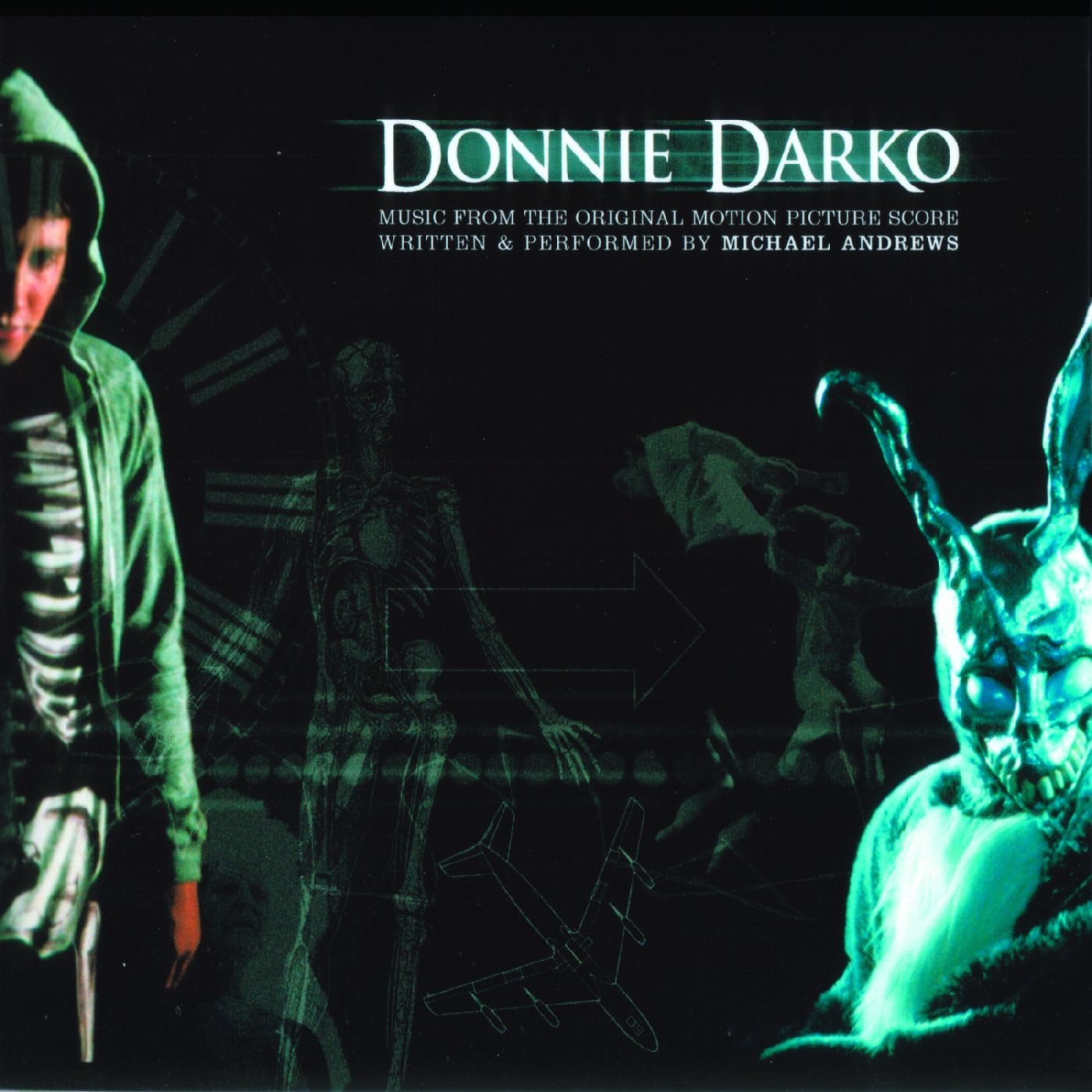
Donnie Darko (2001)
Tears for Fears - Mad World
To pick a scene from Donnie Darko defined by music is a near impossible task, given how unparalleled its soundtrack is. From the minute the film starts it’s clear how central music is to its plot and feeling, with the iconic opening scene soundtracked by Echo and the Bunnymen’s (very fitting band name) eerie classic The Killing Moon. Director Richard Kelly had originally planned to use Never Tear Us Apart by INXS, but due to financial constraints the track had to be swapped. A successful swap at that, as the melancholic, haunting plucking sets the tone for the entire film.
The defining scene, though, is of course at the end of the film when the characters wake up. Michael Andrews and Gary Jules recorded this Mad World cover specifically for Donnie Darko, and it's arguably better than the Tears For Fears original. Their cover completely changes the meaning of the song, and transforms it into a somber and funereal closing track. Mad World predates this film by nearly twenty years, yet it sounds like it was written from inside Donnie's head, like an echo from an alternate universe that arrived before the story did.
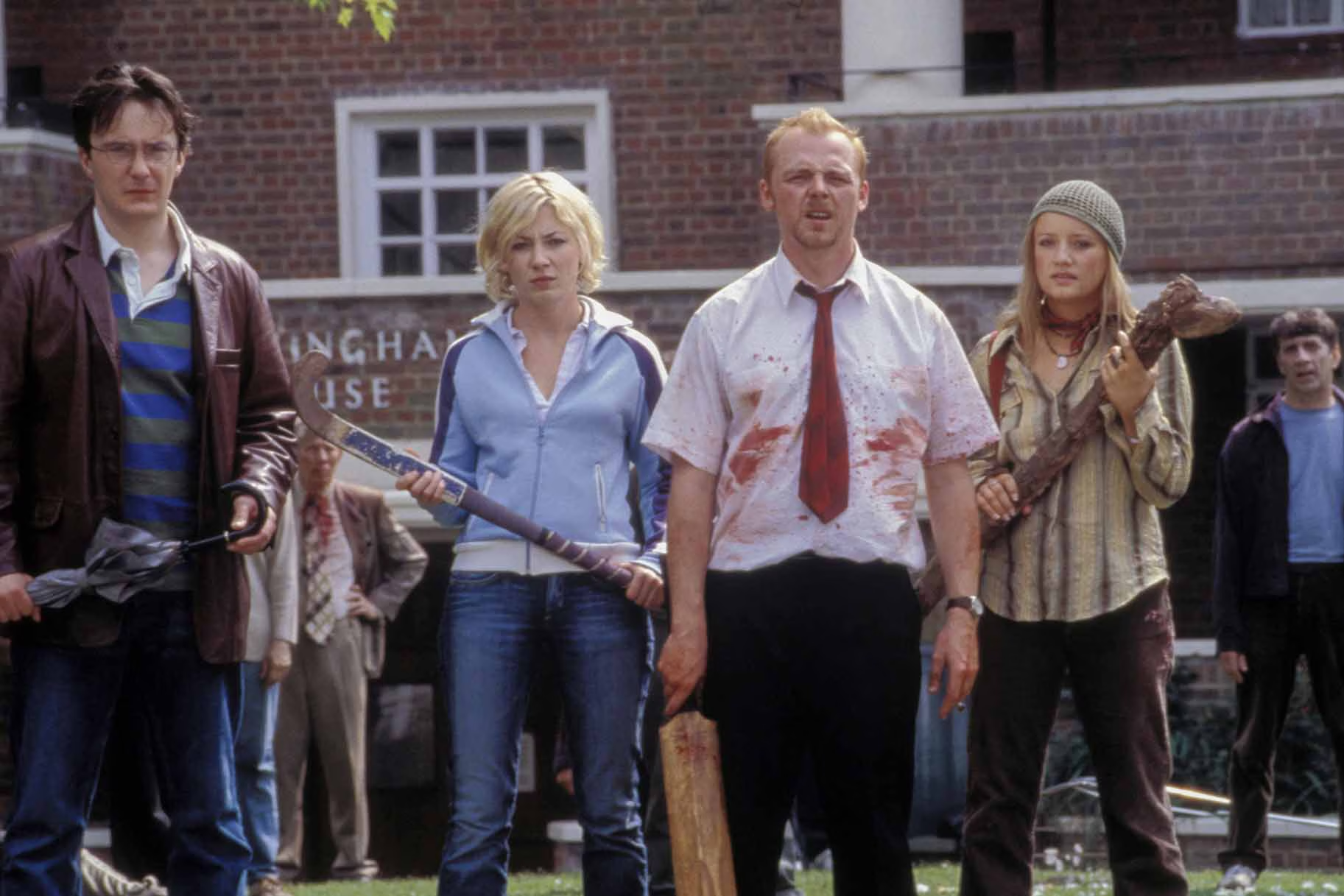
Shaun of the Dead (2004)
Queen - Don't Stop Me Now
Edgar Wright knows how to drop a needle, and the first entry in his acclaimed ‘Cornetto Trilogy’ is no different. The hilariously slapstick and gory pub fight scene was choreographed to Queen’s Don’t Stop Me Now before they had even cleared the rights to use it. The synchronicity of pool cue smacks to the beat combined with the track playing diegetically within the scene just adds to the absurd, deadpan brilliance of this comedy horror classic.
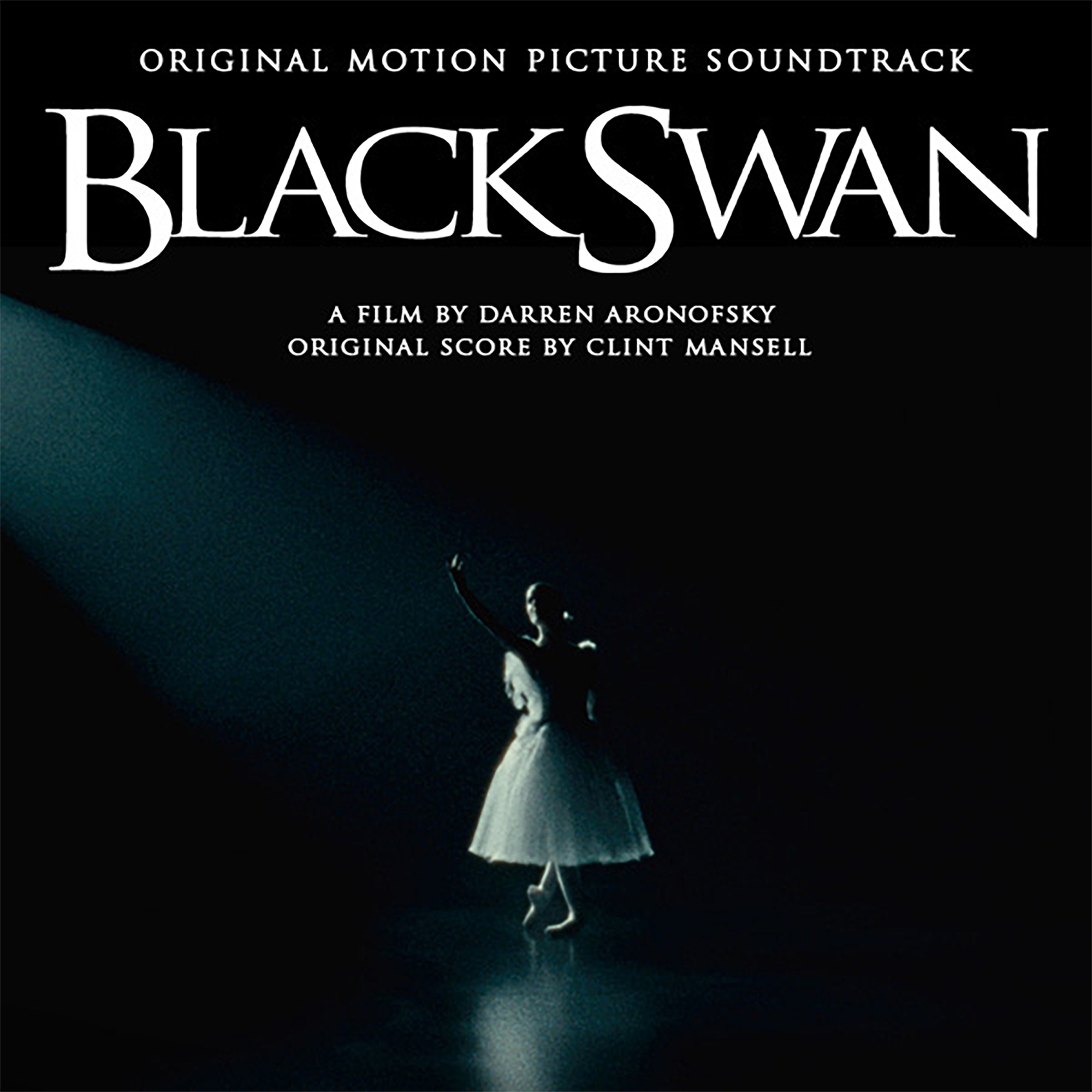
Black Swan (2010)
Clint Mansell - Nina's Dream
Although Black Swan was nominated for five awards at the Oscars, with Natalie Portman winning Best Actress, the score was disqualified for entry as it was deemed not original enough. Clint Mansell built upon Tchaikovsky's original Swan Lake themes, infusing darker, more harrowing elements to reflect Nina Sayers' psychological turmoil. Director Darren Aronfosky commented “It’s a shame, because there’s a lot more work put into this than normal scores. You’ve got to basically pull it apart and reinterpret it for the screen.”
The opening sequence perfectly foreshadows the film’s finale and highlights the duality of her character, beginning as a delicate, romantic oboe solo before gradually building layers of tension and cacophony, entering Rothbart into the dance. A psychotic soundtrack for a film characterised by hallucinations, paranoia and mental deterioration.
Insidious (2010)
Tiny Tim - Tiptoe through the Tulips
Tiptoe through the window
By the window, that is where I'll be
Come tiptoe through the tulips with me
Few horror needle-drops are as gloriously unsettling as Tiny Tim’s Tiptoe Through the Tulips in Insidious. In its original era, Tiptoe Through the Tulips was meant as a whimsical, romantic, novelty tune, with the original 1929 song by jazz crooner Nick Lucas featured prominently in the very first Looney Tunes cartoon in 1930. In Insidious, director James Wan uses Tiny Tim's chirpy cover to tease the arrival of the dancing demon - one of the most effective examples of auditory juxtaposition in cinema. Tiny Tim's real-life story adds a specially dark layer to the song's backstory, as in 1996 the American musician collapsed on stage from a heart attack whilst singing this signature song, later dying in hospital that night. A melody that’s almost impossible to hear the same way again.
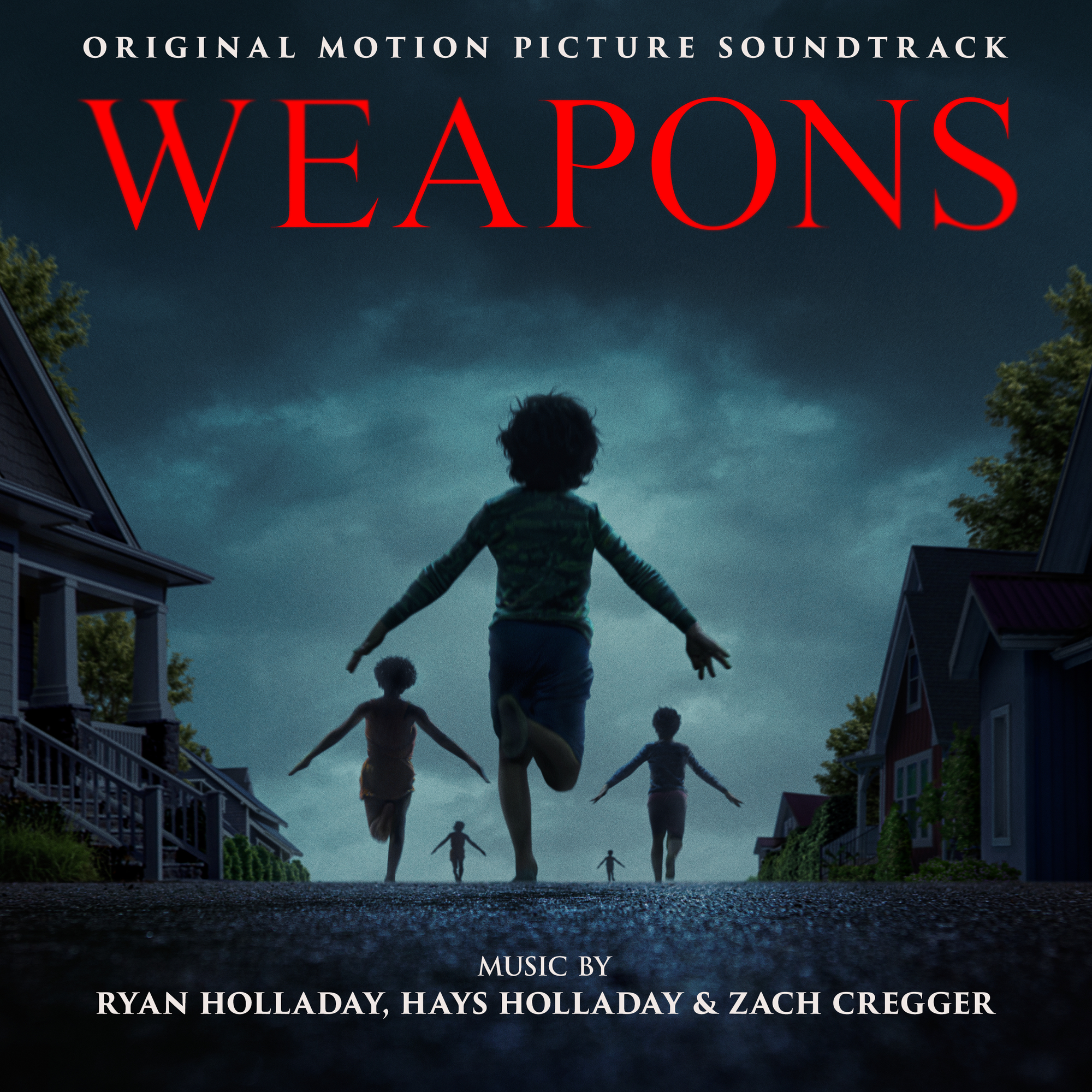
Weapons (2025)
George Harrison - Beware of the Darkness
Despite what its name might suggest, Beware of the Darkness is really quite a gentle, rolling song. So how did it end up in Zach Cregger's acclaimed American supernatural mystery horror film Weapons? This sync is a key example of horror movies showing us that sometimes it's the harmless and wholesome songs that do the job the best, providing an eerily understated backdrop to the film's opening where a group of children mysteriously run into the night. And never come back. George Harrison’s spiritual warning against darkness and despair takes on a more literal, sinister resonance, transforming a contemplative rock song into a chilling piece of cinematic foreshadowing.
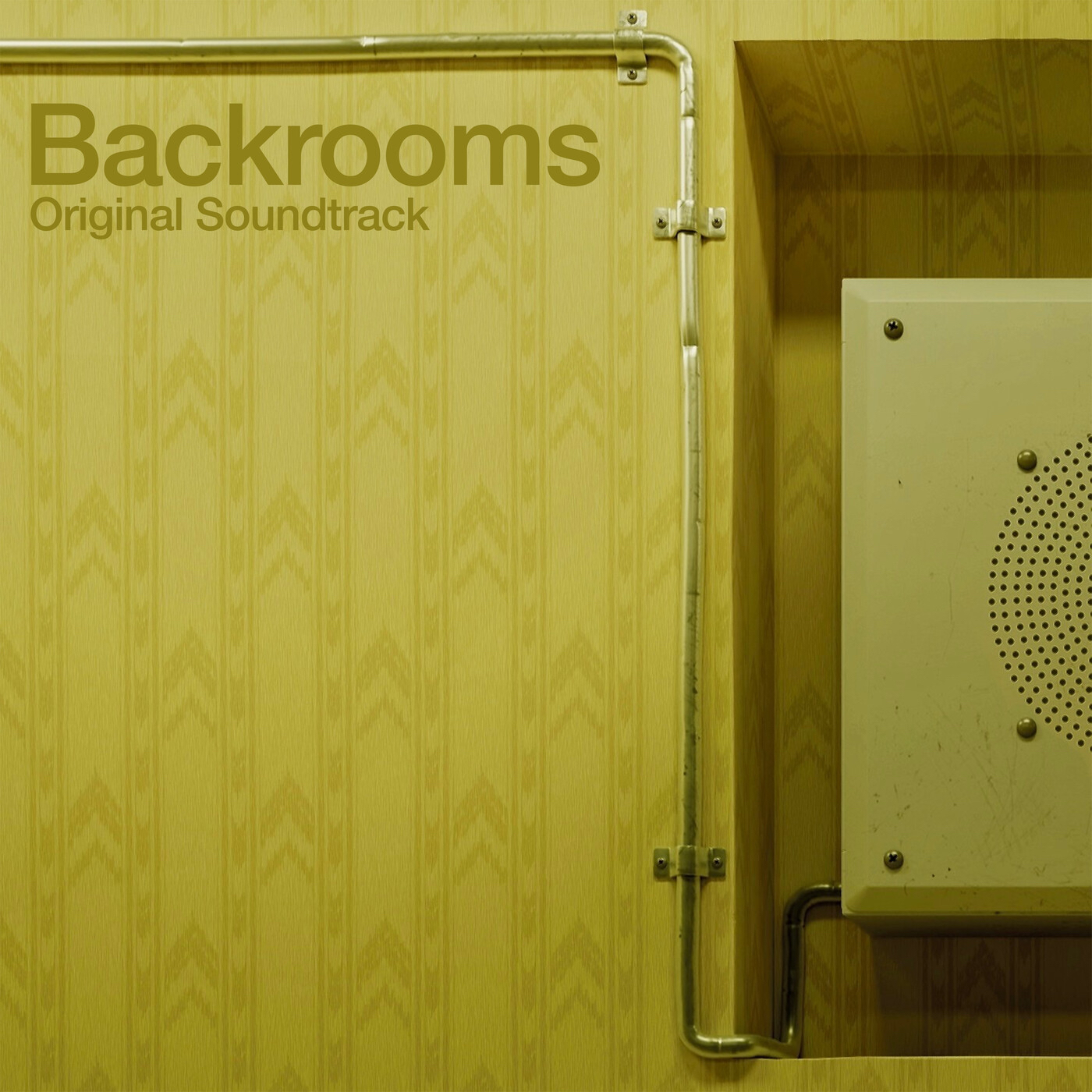
Backrooms (2026)
Boards of Canada - The Word Becomes Flesh
We defy you to watch this film and not get serious heebie jeebies. A world built around endless yellow corridors and the uncanny terror of liminal spaces, one which feels it could simulate what it might feel like to be on the edge of a psychotic break. Backrooms is an A24 production, turning YouTuber’s Kane Parsons' (A24's youngest and highest-grossing director of all time) viral web series into one of the year’s biggest films. It's confusing to get your head around what's going on, but Chiwetel Ejiofor's performance as disillusioned furniture store manager Clark is chillingly good. The original score, co-scored between Kane Parsons and Canadian musician Edo Van Breemen, is a masterclass of dark ambience, taking inspiration from artists like Aphex Twin, Boards of Canada and Burial. Boards of Canada's The Word Becomes Flesh from their 2026 studio album Inferno features in the film's end credits. A perfect mic drop moment for the film's final twisty ending, allowing the ominous atmosphere to linger beyond its final scene, leaving its viewers still feeling wrapped up in its liminal world.
Further Listening
Music has the power to turn an ordinary scene into something atmospheric or sinister and build undeniable tension. Here's a further selection of spooky(ish) soundtracks for Hallow's Eve listening.
Angelo Badalamenti's dreamlike jazz and creeping dread underpin the Twin Peak's soundtrack for anyone drawn to the stranger side of screen music.
The fragile piano ballads, ghostly vocals and unsettling electronics from Thom Yorke for Luca Guadagnino’s reimagining of the horror classic Suspiria
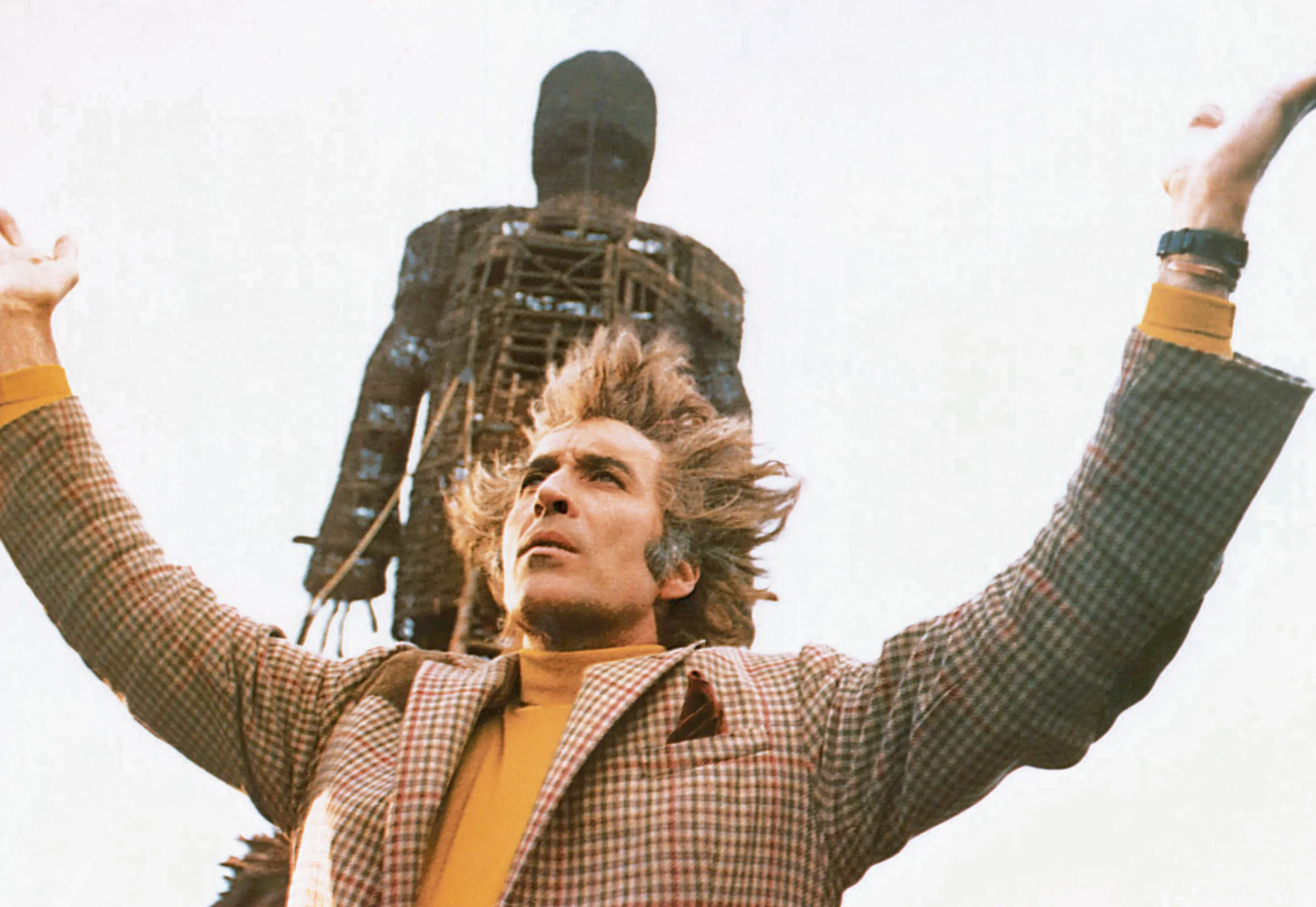
Pastoral folk with something sinister beneath the surface. Paul Giovanni and Gary Carpenter's The Wicker Man is essential listening for the folk-horror curious.
For a less frightening but suitably atmospheric choice, we have the Twilight soundtrack bringing together Paramore, Muse, The Black Ghosts and Iron & Wine.